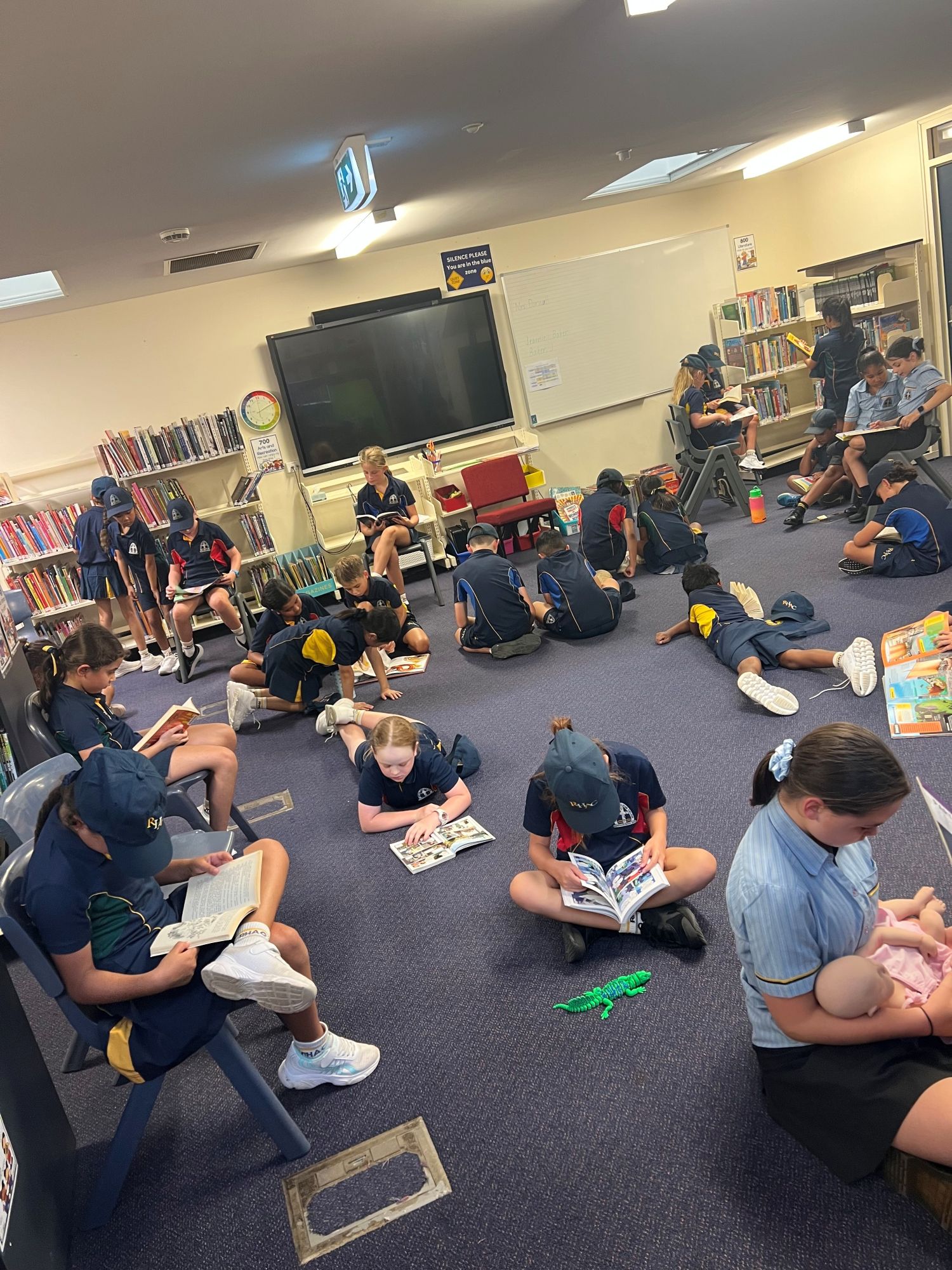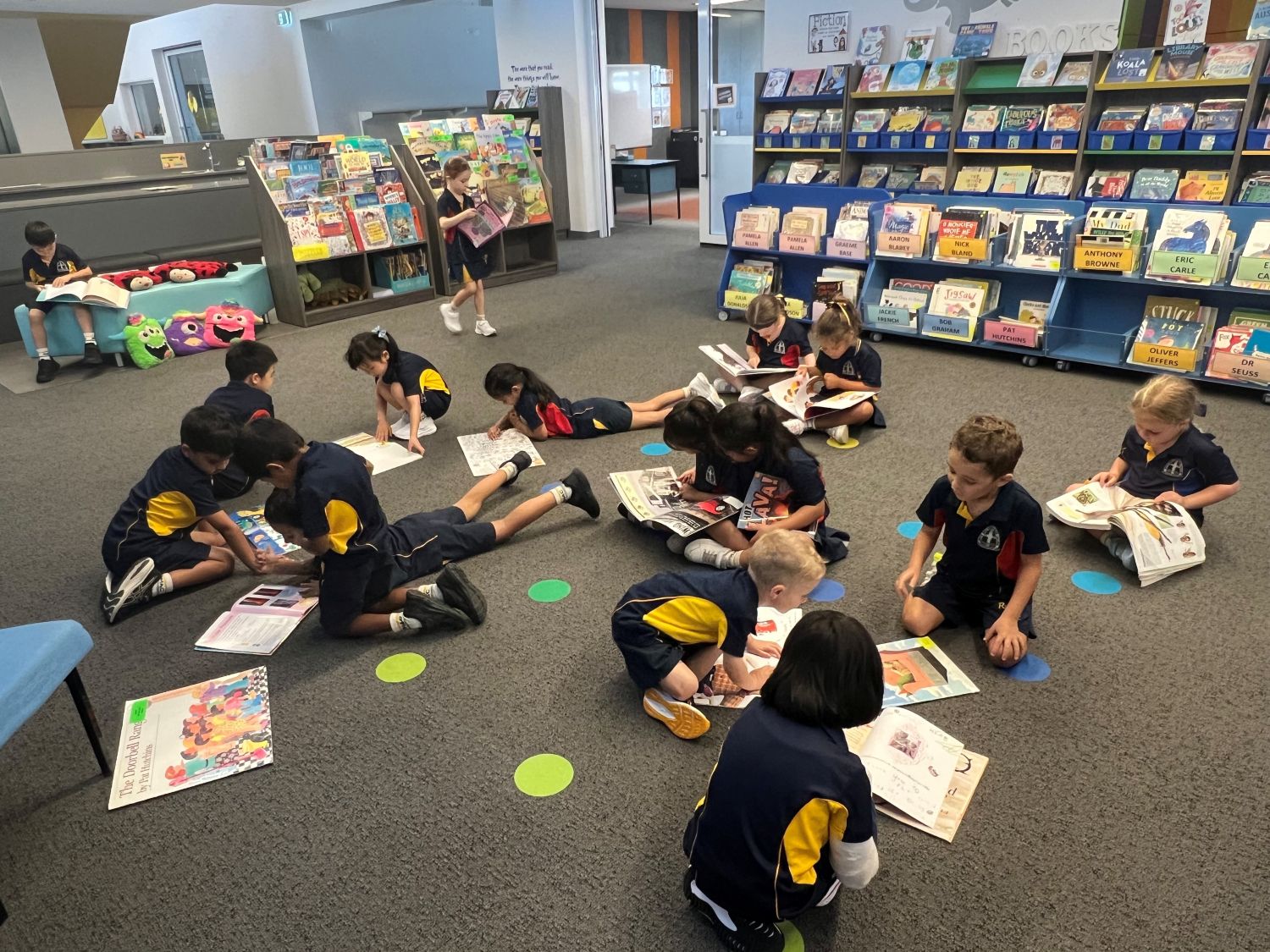
We have had a wonderful start to the school year in the Junior School. From the first day of lessons, every class settled quickly and was ready to learn. I believe that this smooth beginning is a testament to our Grade-up Day in Term 4, the one-to-one student interviews at the beginning of the year, and our ongoing focus on helping students learn and practise the routines that support their success.
Teachers explicitly teach and model routines for behaviour and learning to help free up students’ thinking so they can focus on learning. These routines include entering a classroom, moving around the school, speaking to one another and participating in discussions, and transitioning between activities. These routines help us to create calm, safe and friendly learning environments and allow students to use their thinking for learning rather than what to do when. The Australian Education Research Organisation points out that routines give students a clear understanding of what is expected in the classroom by providing consistency, predictability and structure. When students understand and use routines, it is easier for them to follow them independently, allowing everyone to remain focused on learning.
During a visit to 5J1, I spoke with Mrs Leach and her class about the routines they use. Mrs Leach shared:
“Daily routines in our classroom help students feel calm and confident because they know exactly what to expect each day. These predictable structures mean we spend less time getting organised and more time learning, which really maximises the teaching moments we have together.
Our routines, such as “Do Now’s” also give students regular opportunities to revisit concepts we’ve learned previously, helping ideas “stick” through repetition and revision. Most importantly, consistent routines reduce the mental load for students as they move between different teachers throughout the day, making each learning session feel predictable, supportive and manageable.”
The students were also keen to share their thoughts about routines. Here are some of the things they had to say about routines: