I used to live next door to a family where the daughter was learning the piano. We could hear her practise every day, and over the years her playing become increasingly intricate and lovely to listen to. It was delightful to hear her playing move from the hesitant playing of a novice to the smooth, emotional playing of an expert. I am sure she had a great teacher and participated in great lessons, but I am also confident that it was her daily practise that was essential to her development as a pianist.
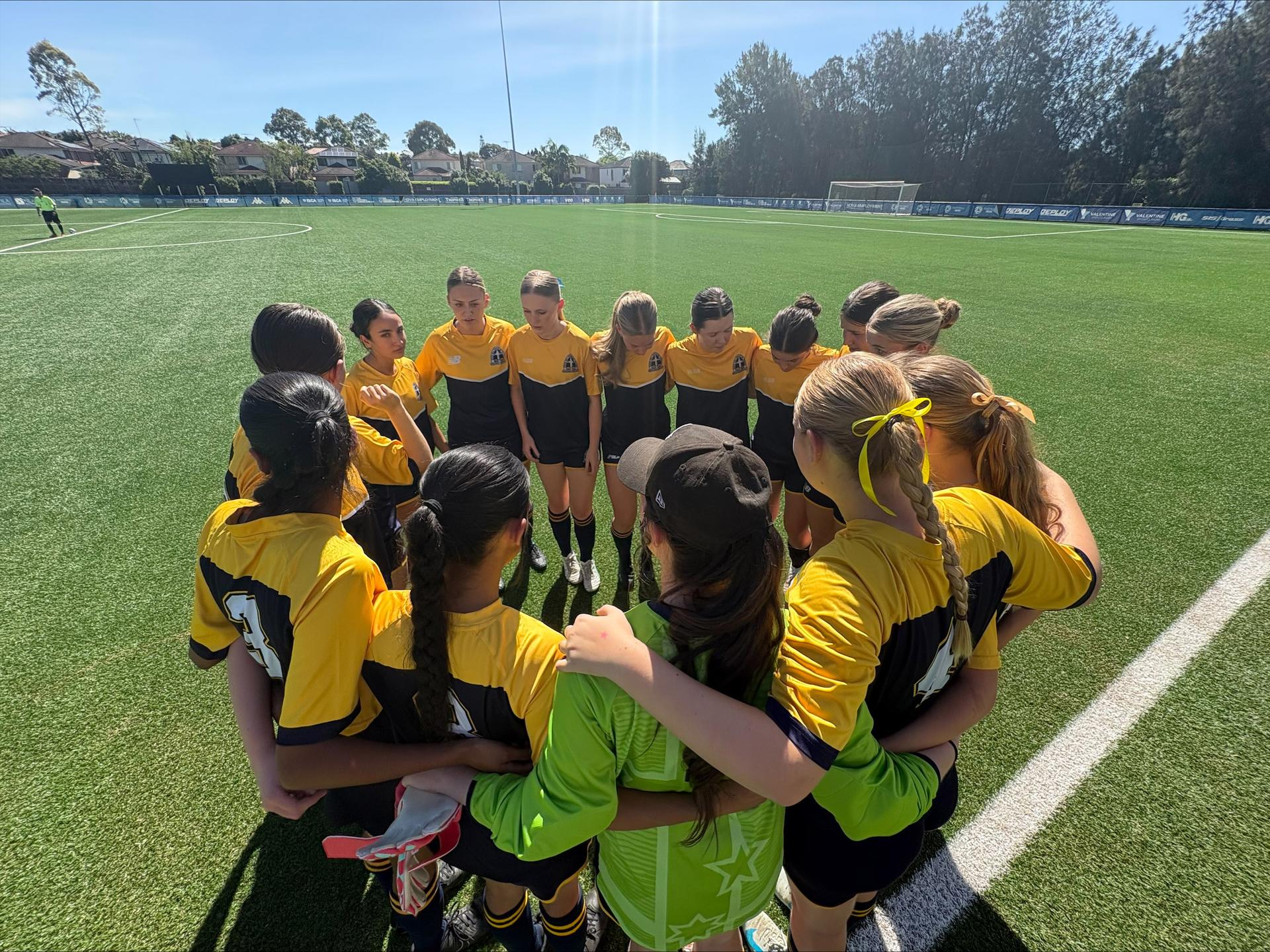
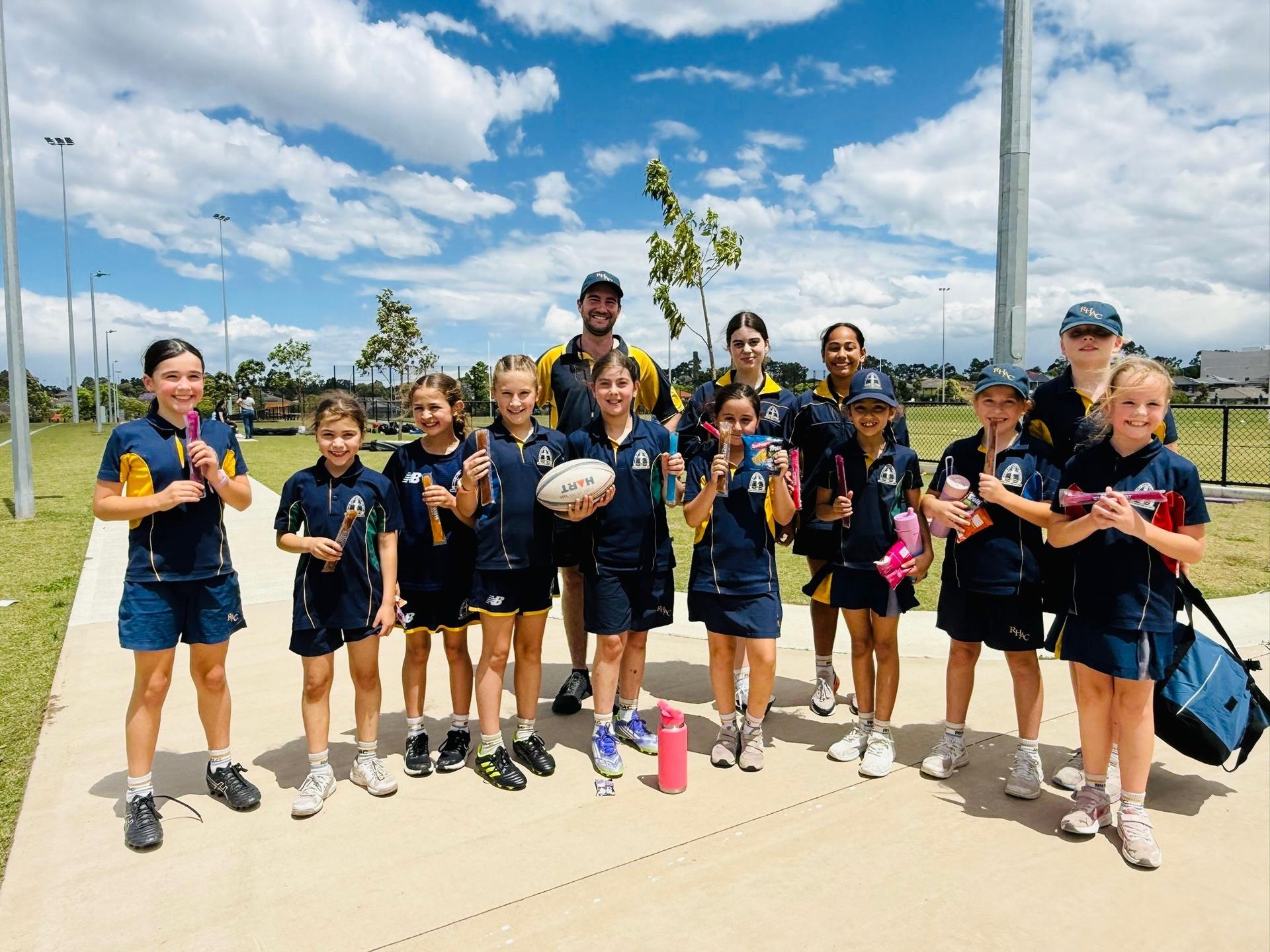
Every day, Junior School students are practising the skills they are learning in class. In daily reviews, our students practise what they have learned previously to ensure that they retain their learning. As they recite their multiplication tables, continents, and spelling rules, or read a book aloud together, students are cementing their learning. On the playing field, they kick a soccer ball over and over until they can confidently kick to other team members. Much of our days are taken up with this kind of practise.
An adage is that “Practise makes perfect”; however, I prefer what Doug Lemov, an educational researcher, says: “Practise makes permanent”. Basically, he means that the more we practise something, the more permanent it is. Practising over and over guarantees that what we are practising will become permanent.
The challenge is that we want to be sure that the permanent action is the one we want to have. To move “practise makes permanent” to “practise makes perfect” requires feedback. When teachers, peers and family members provide feedback as part of the process of practise, we help students to build correct and permanent habits, skills and knowledge. In this way, practise + feedback + practise + feedback and so on helps to make what students are learning permanent and more perfect than before.
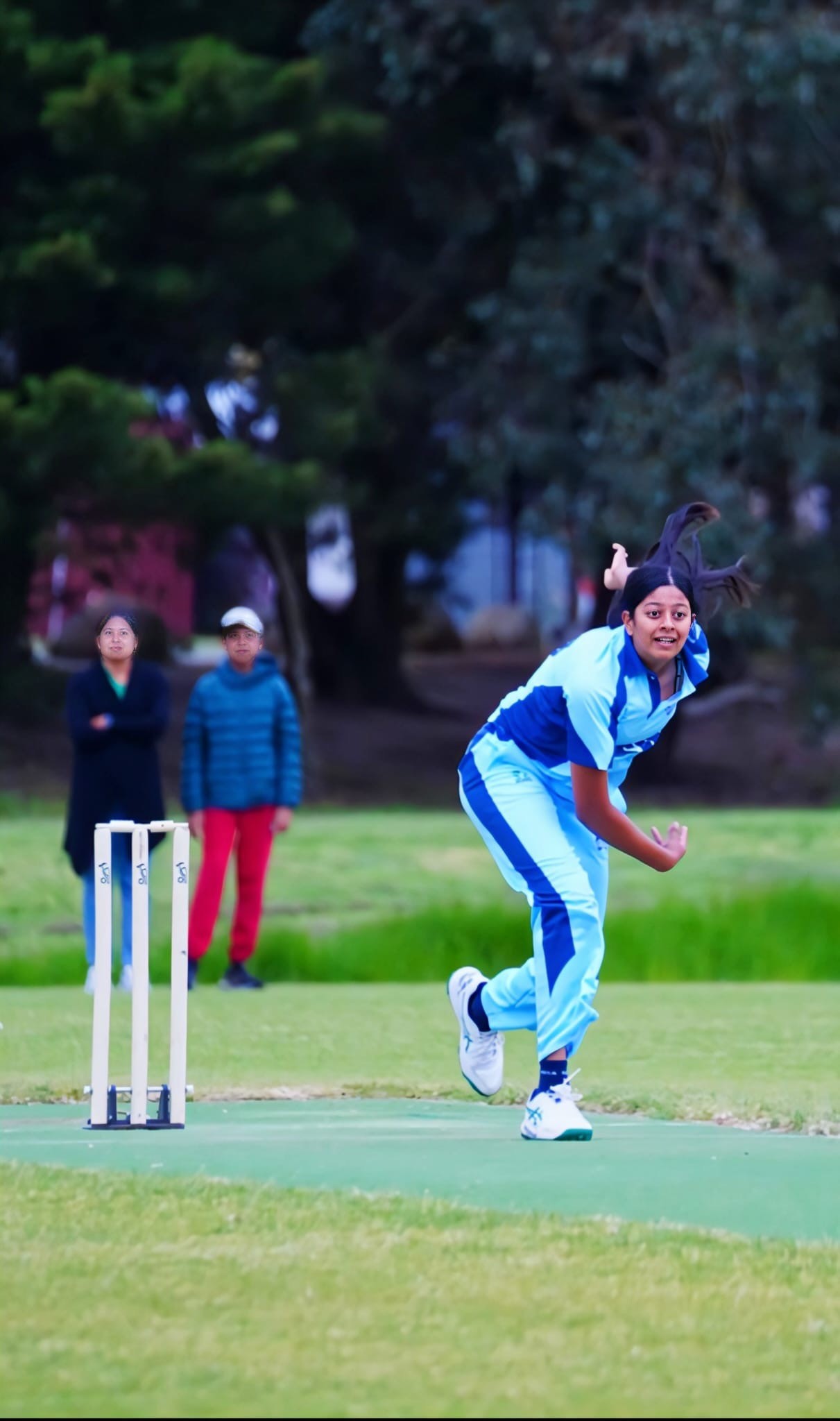
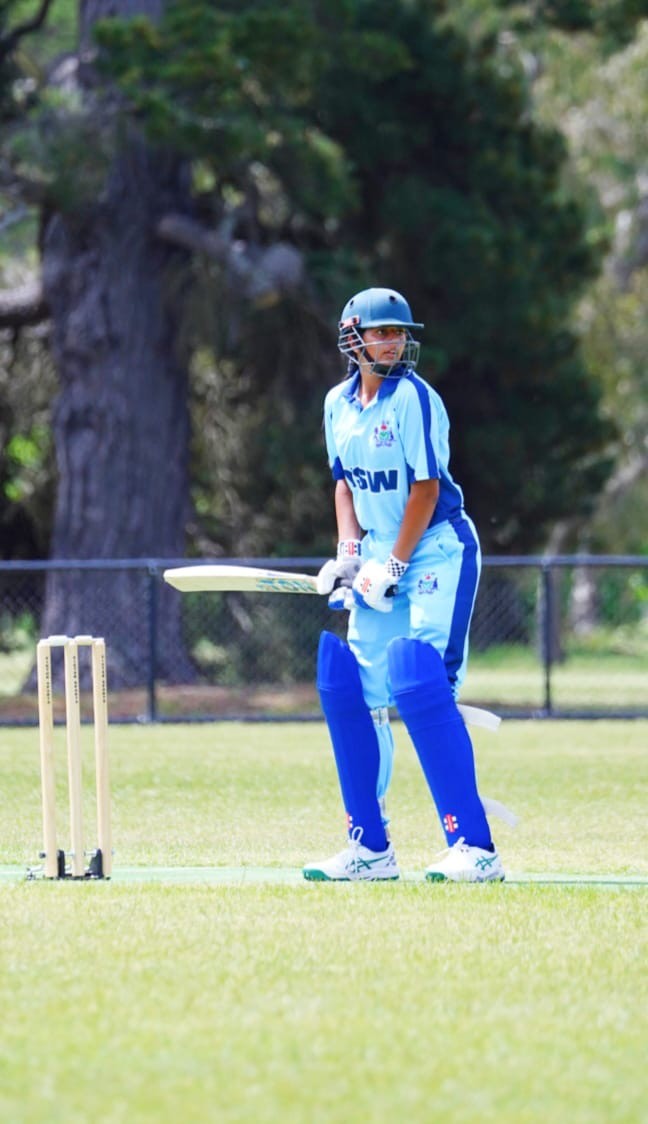
In recent and coming weeks we have seen great examples of students practising that has led to things that are permanent and “perfect”. These include: