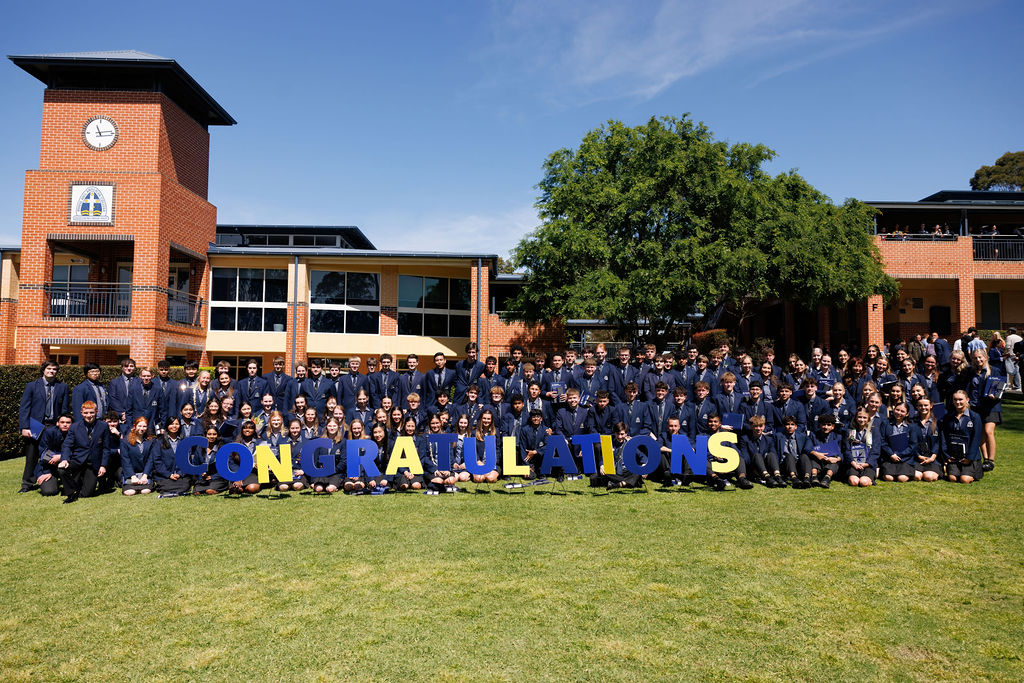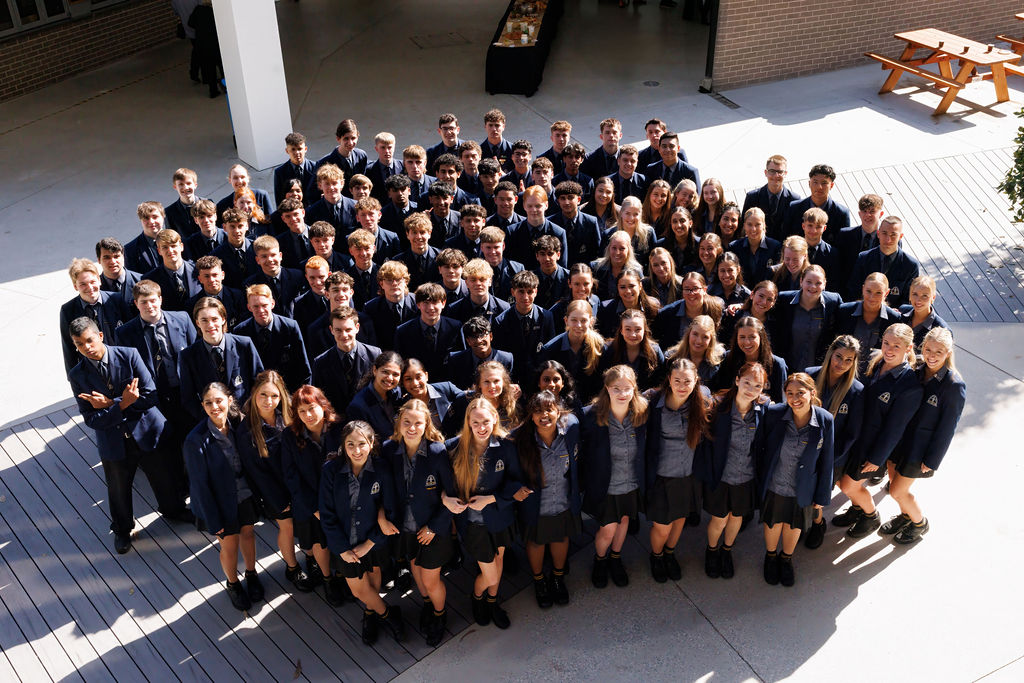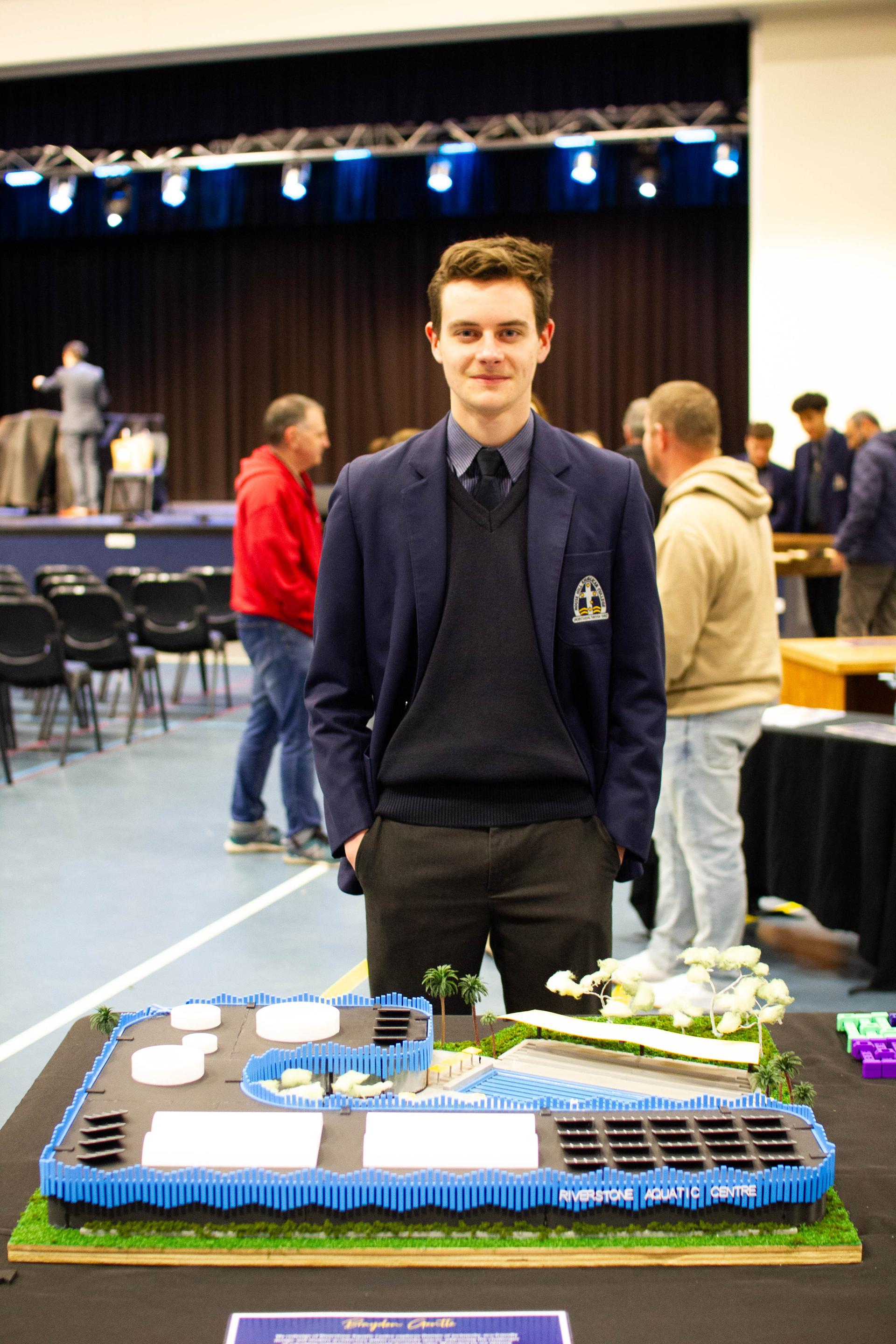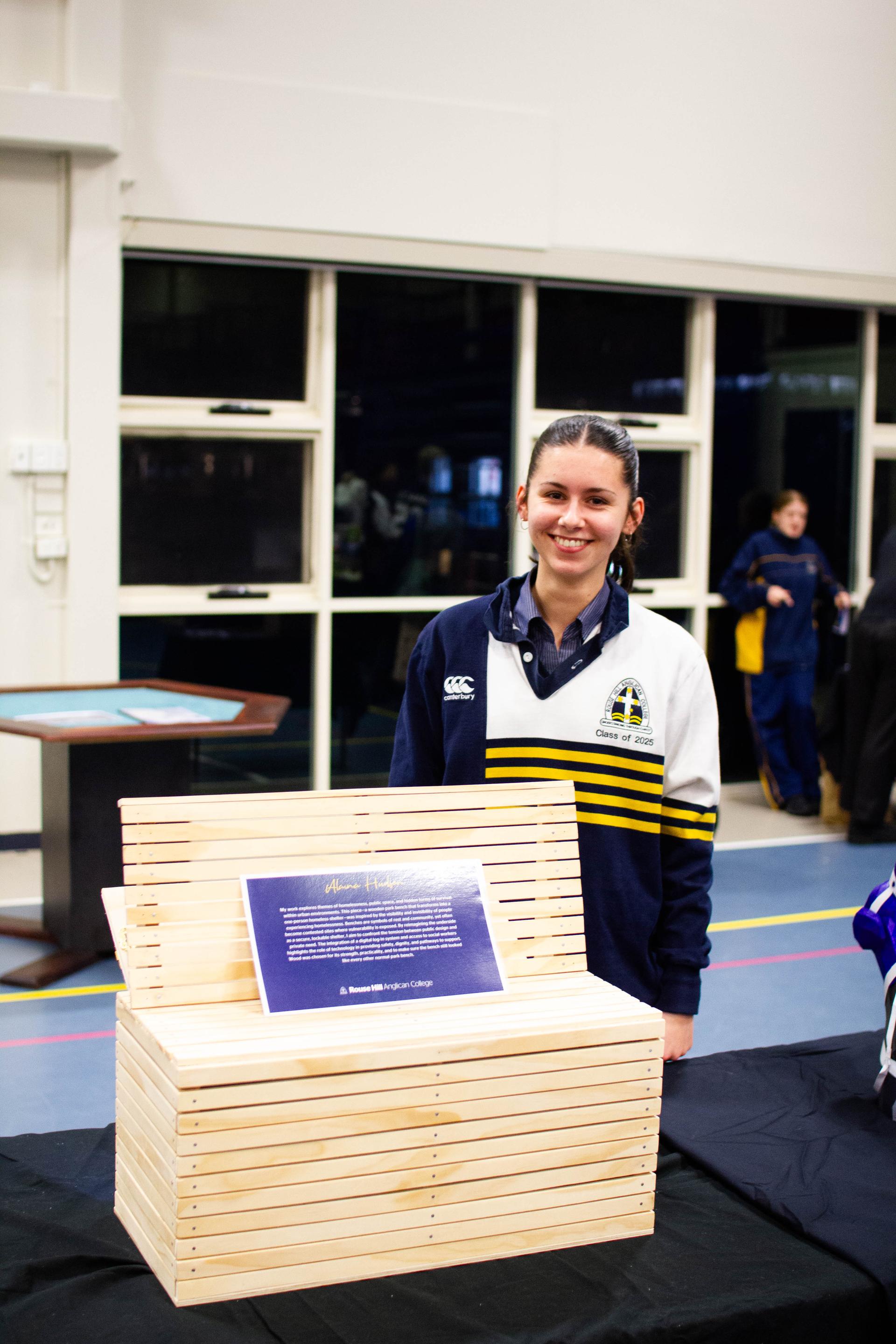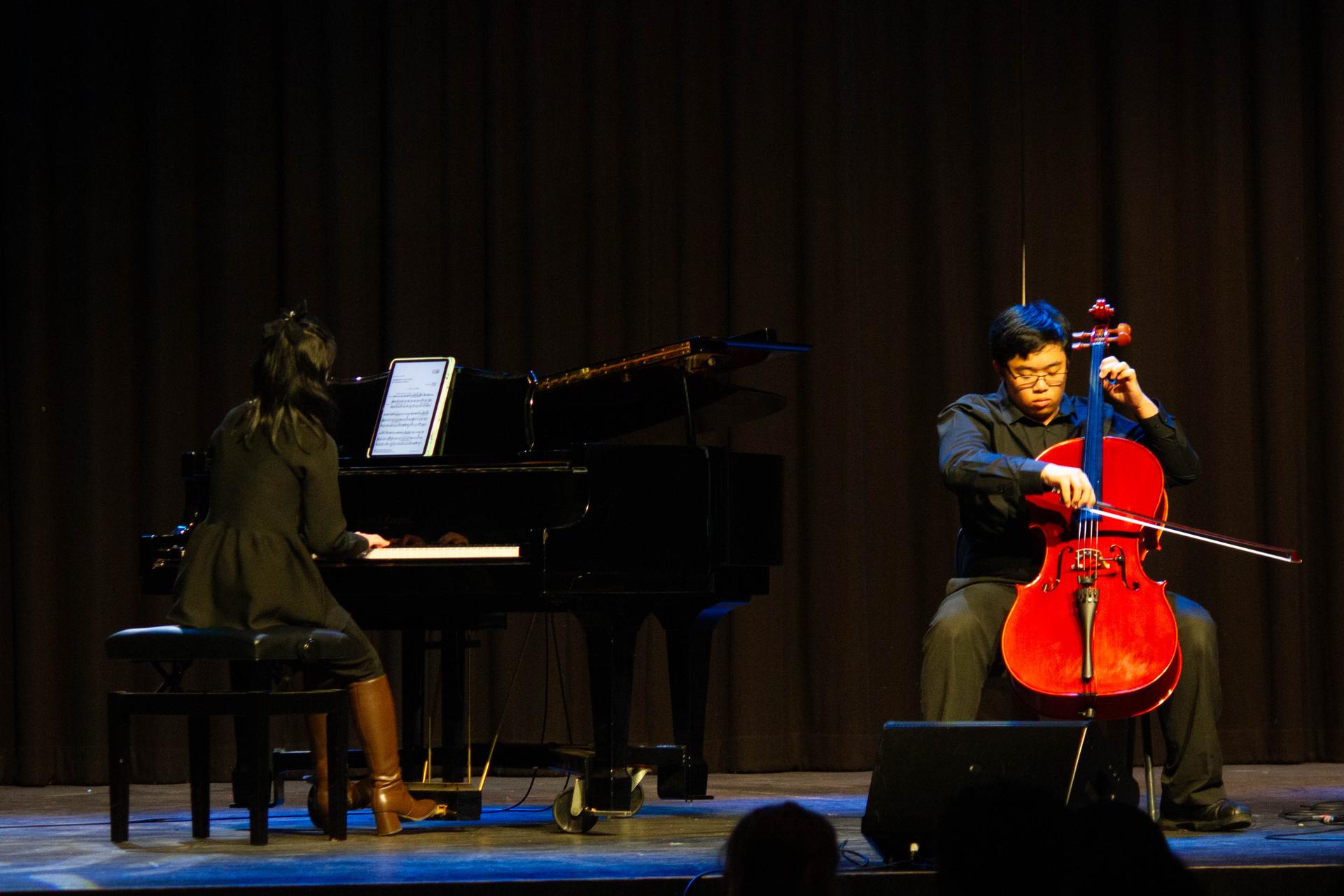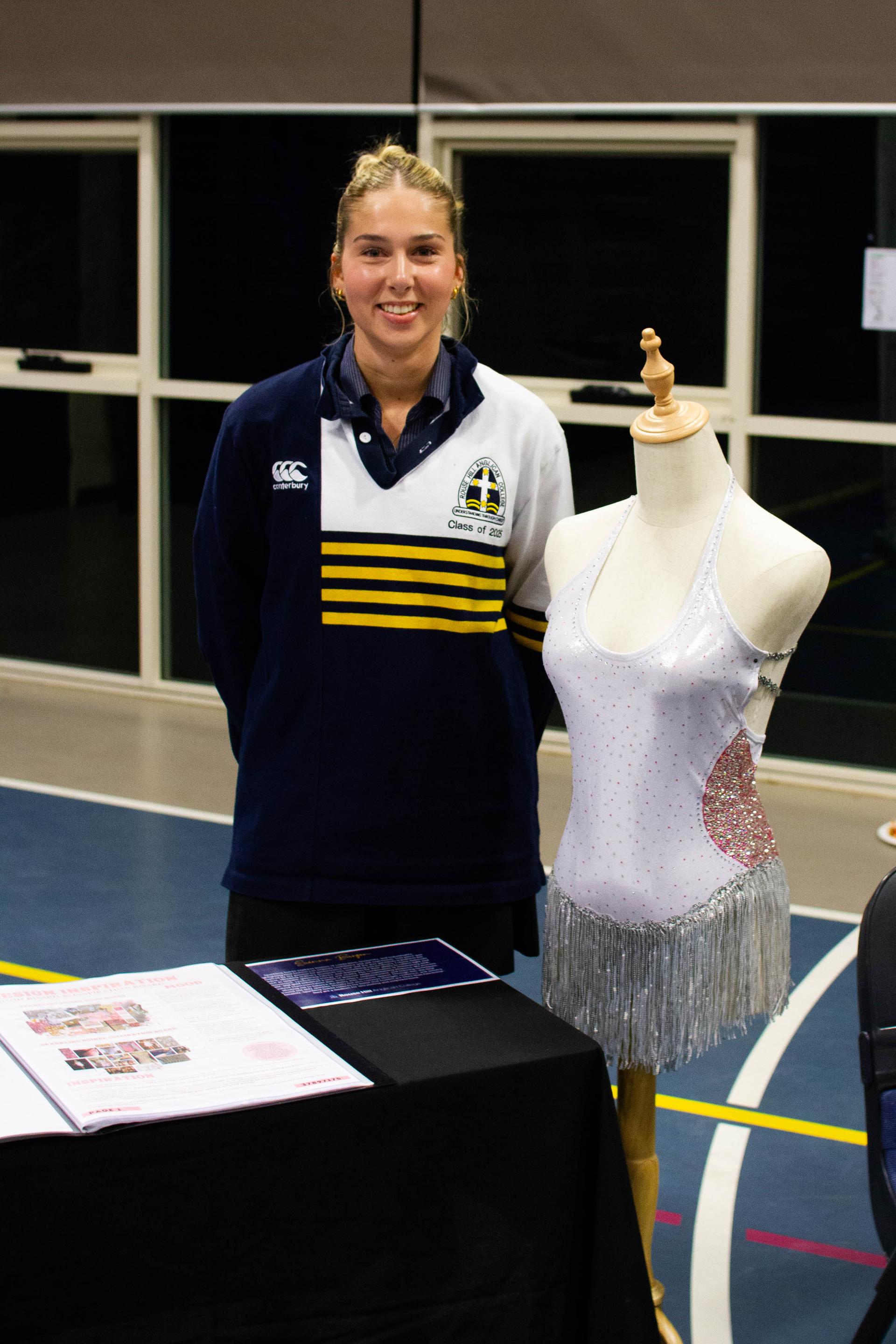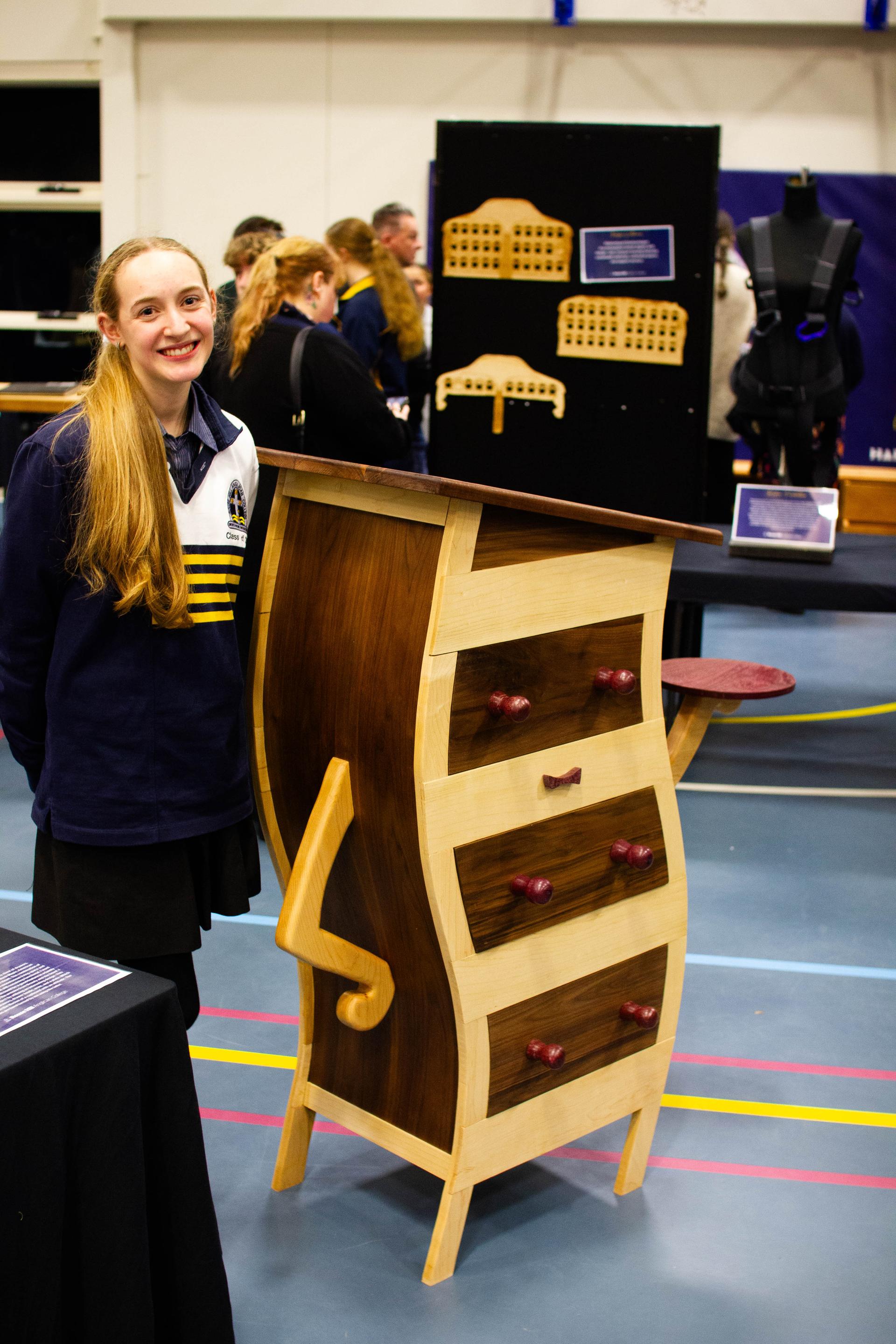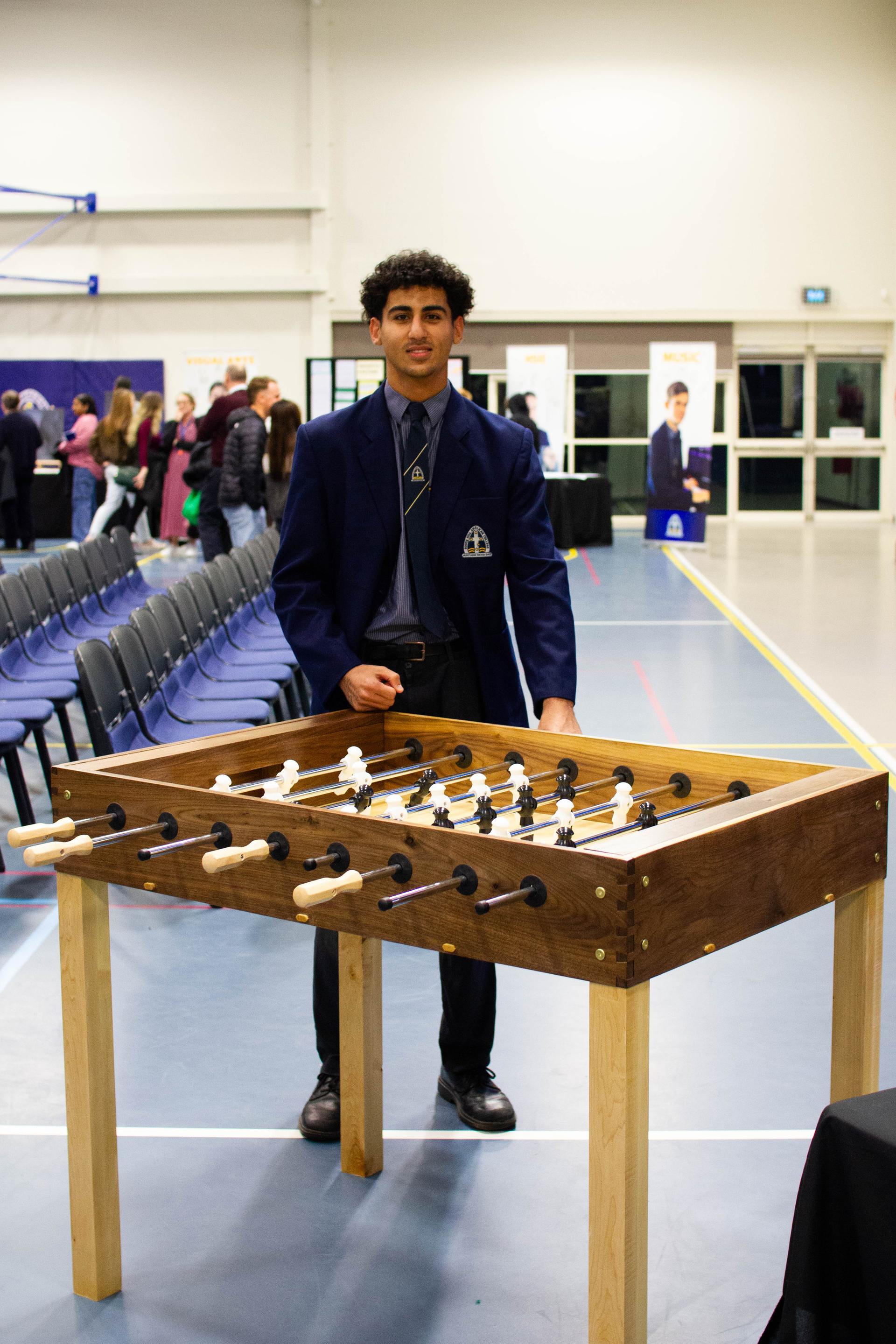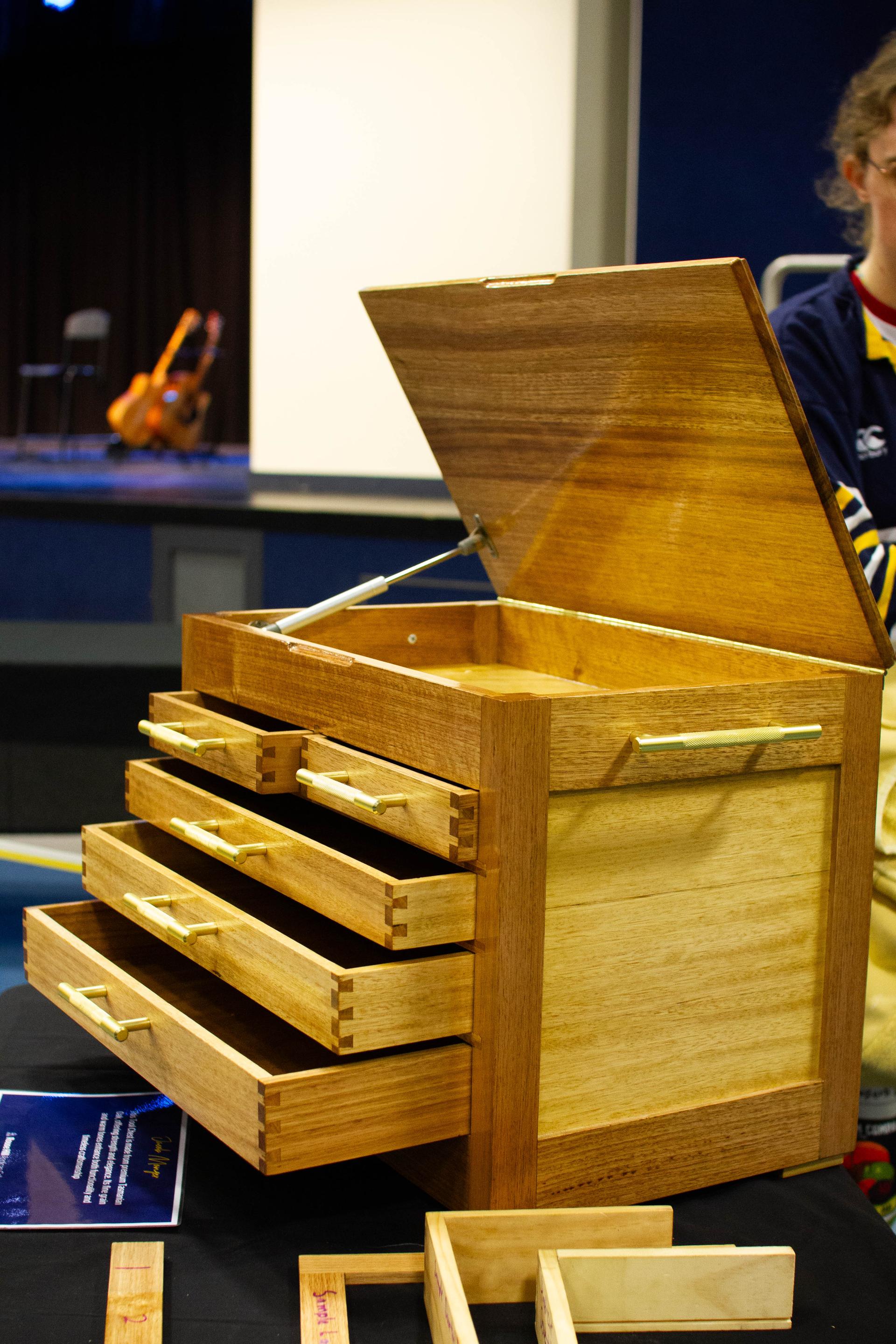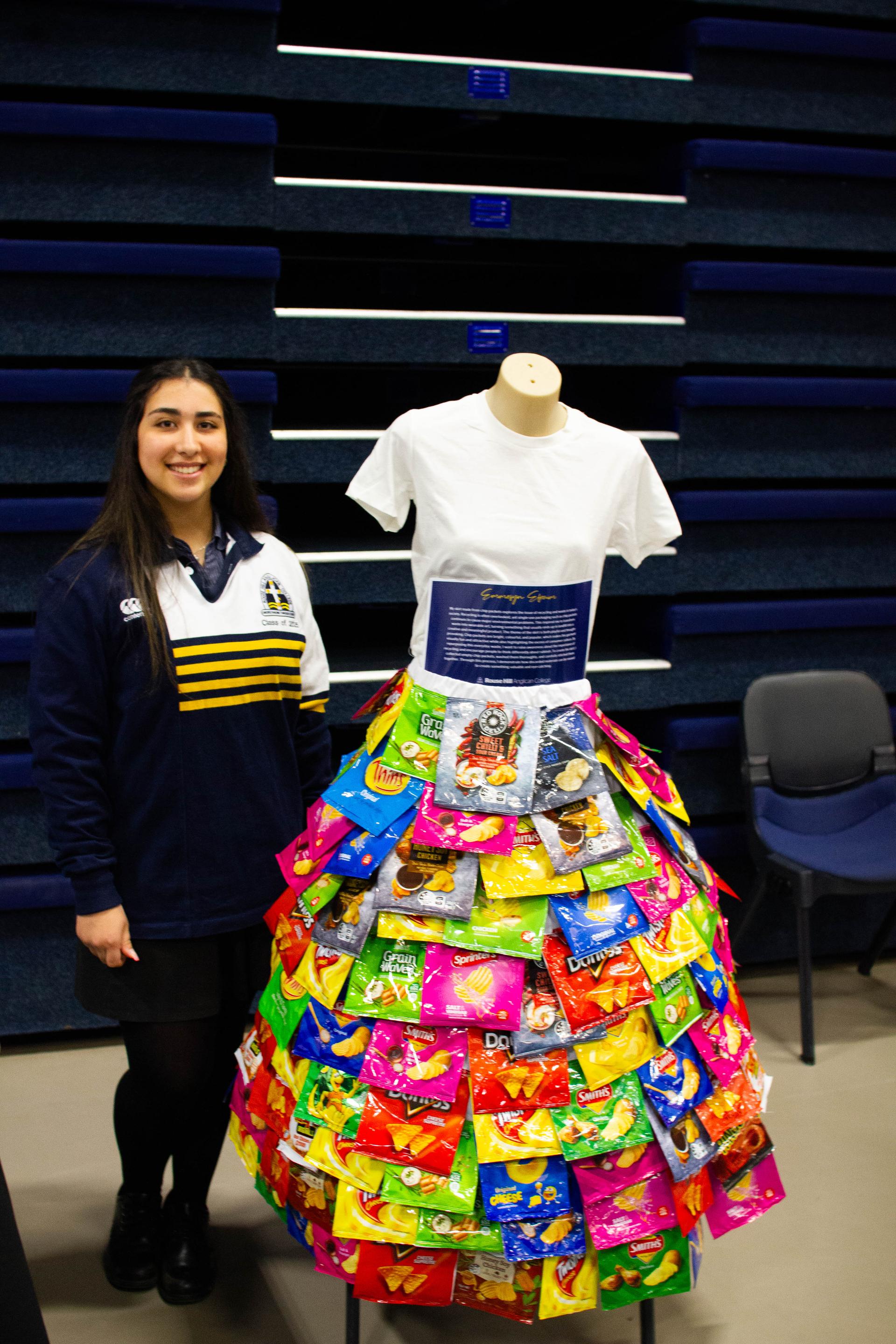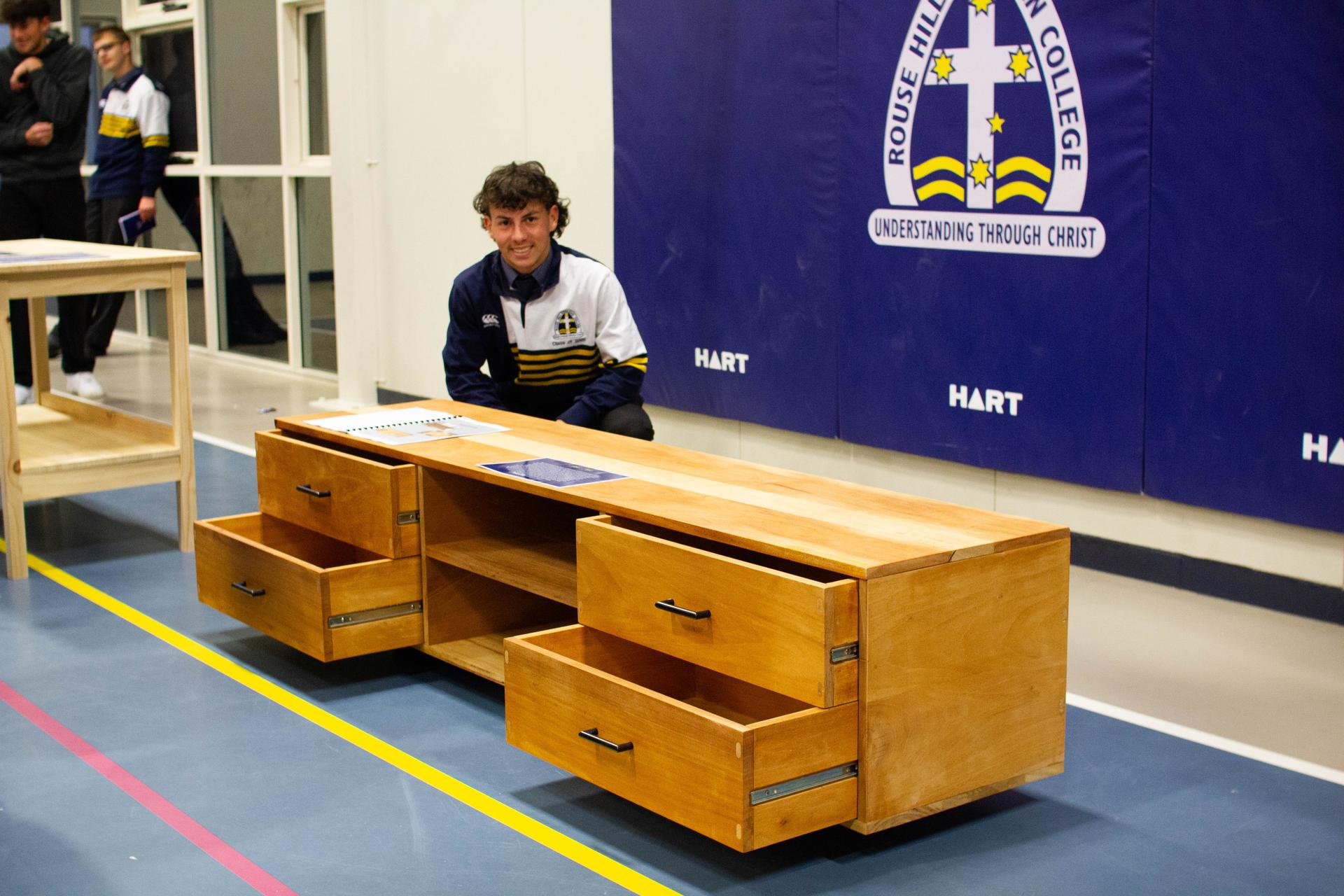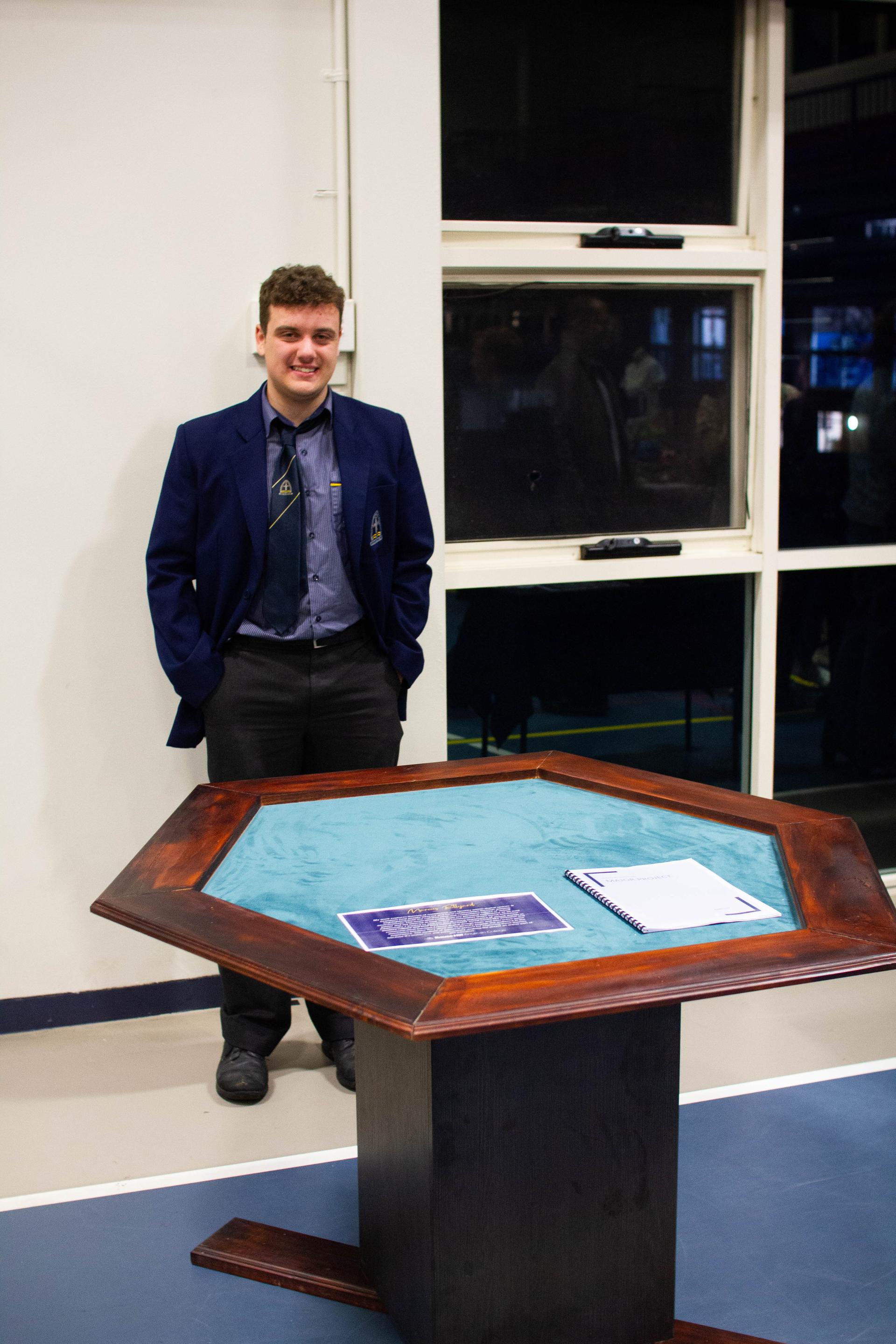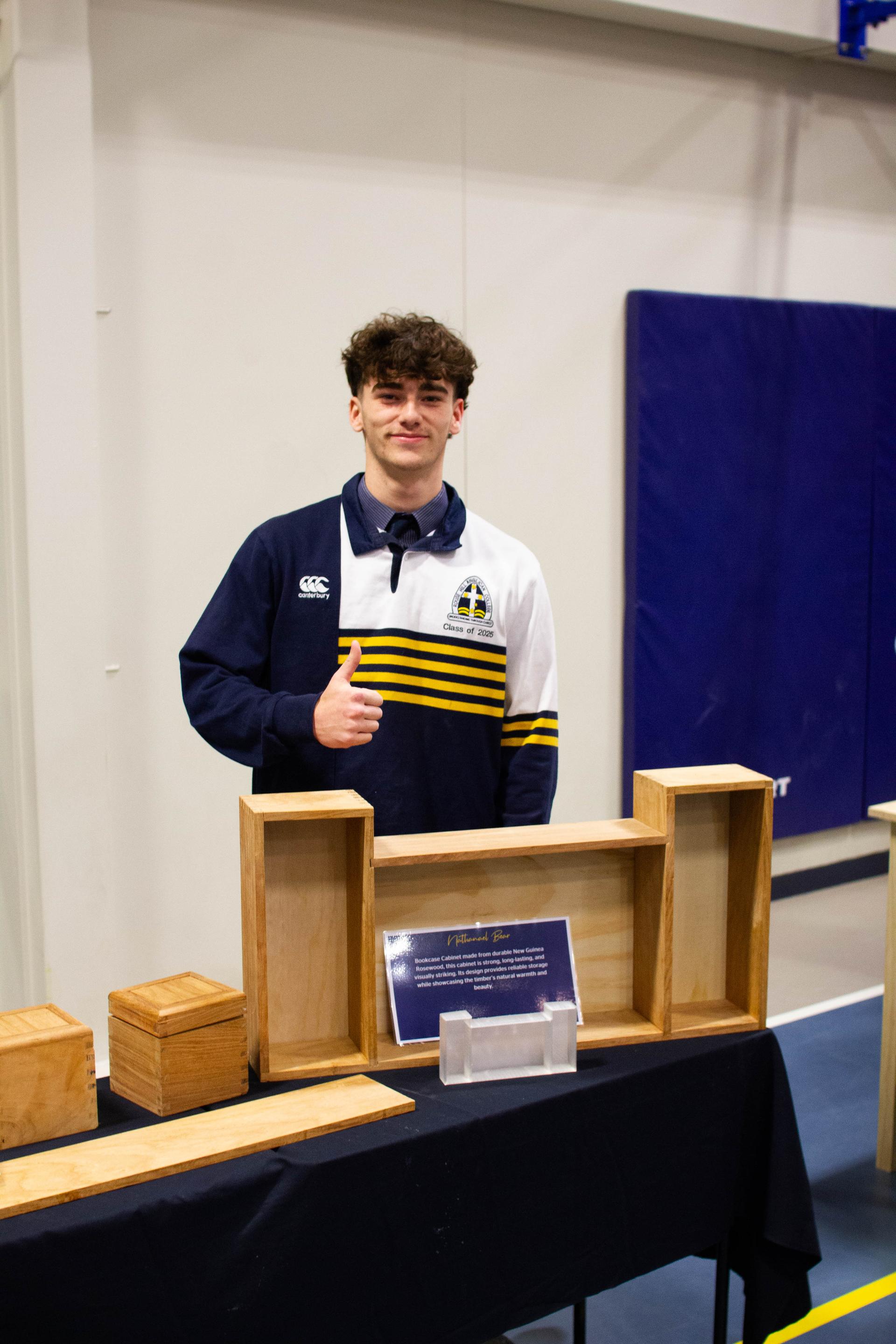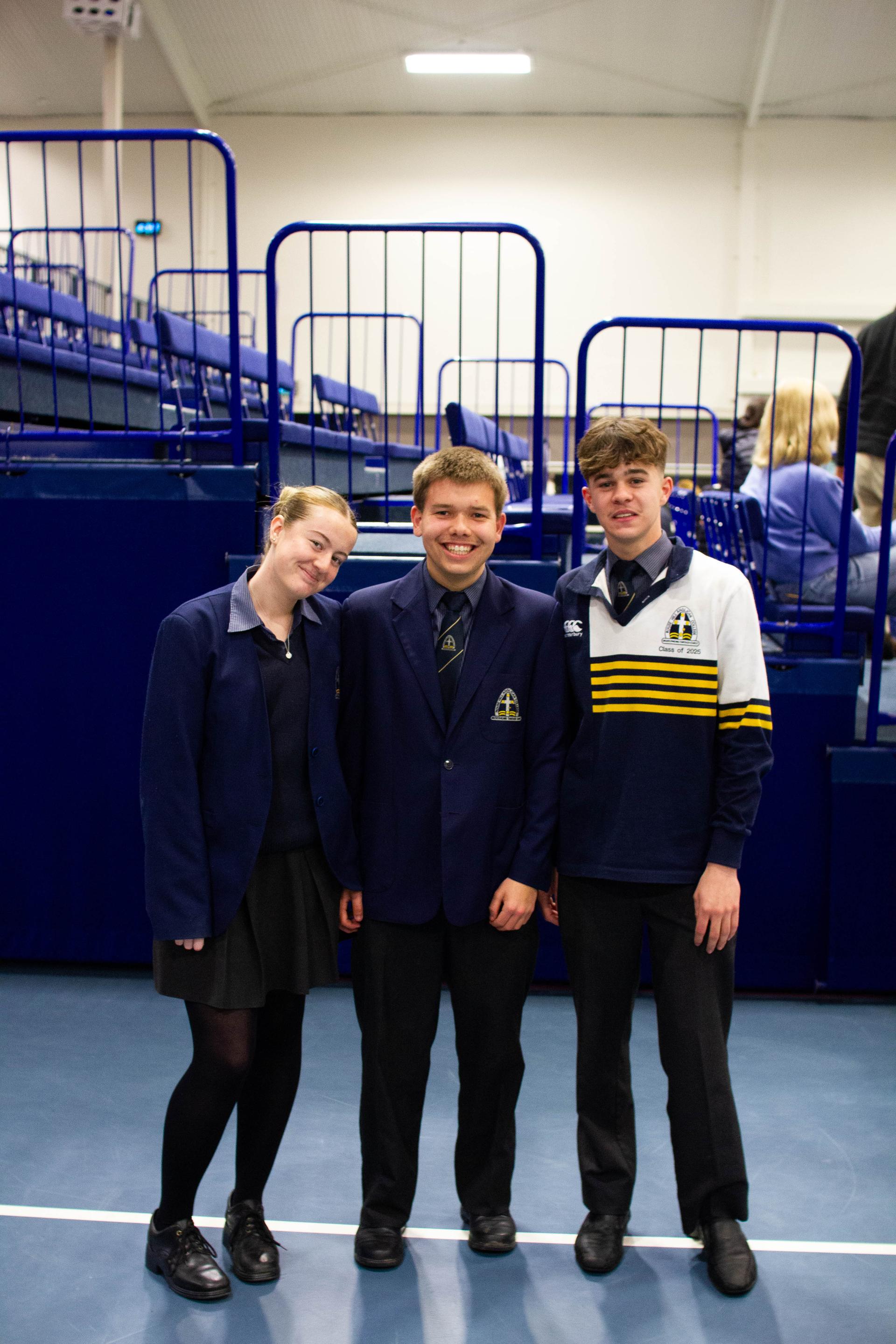
As Term 3 draws to a close, we celebrate and congratulate our Year 12 students who graduated this week. This milestone marks not only the end of their school journey, but also the beginning of exciting new opportunities beyond the classroom. We are proud of the dedication, resilience, and growth they have shown throughout their time at our school, and we wish them every blessing as they complete their HSC exams and step into the next chapter of their lives.
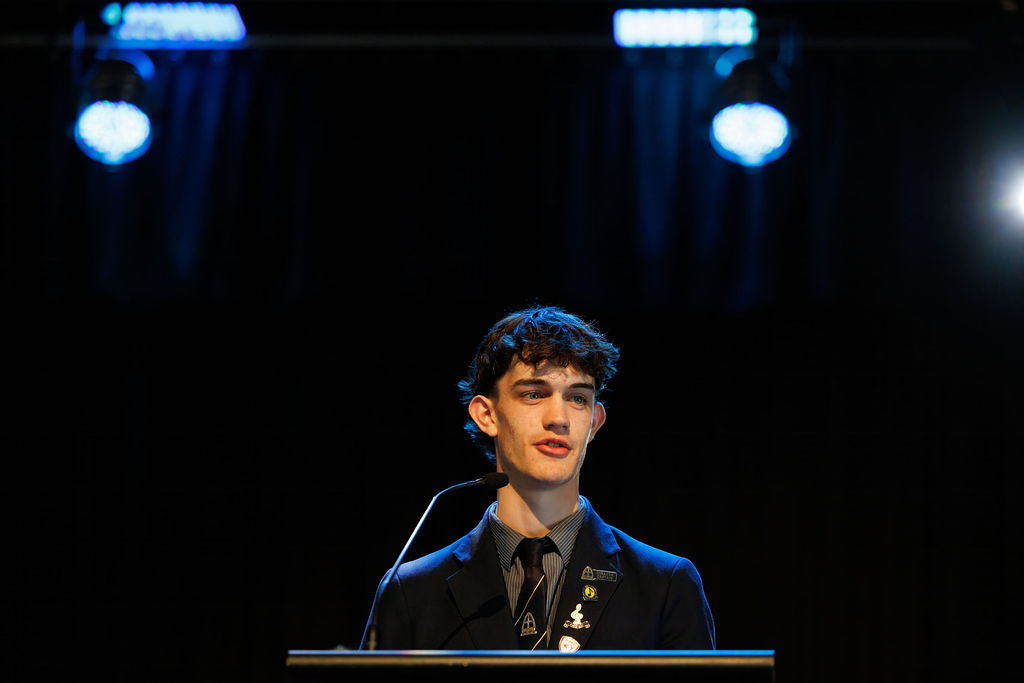
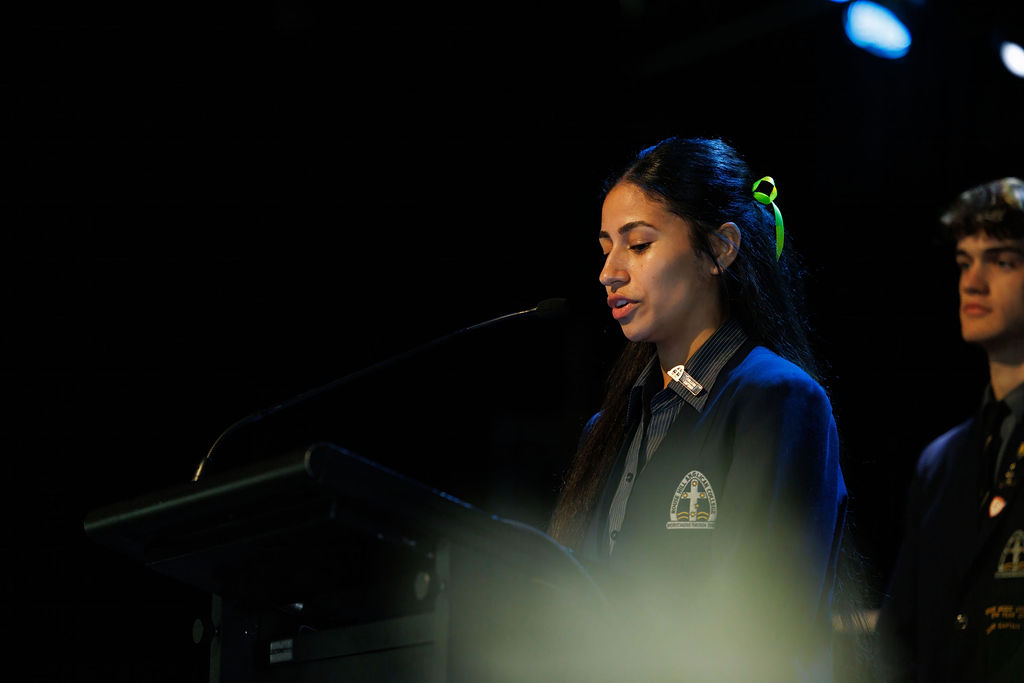
We are reminded in Scripture of the potential and promise in our young people. As our wonderful College Captains, Sam and Tenisha, reflected in their Valedictory address: “Don’t let anyone look down on you because you are young, but set an example for the believers in speech, in conduct, in love, in faith, and in purity” (1 Timothy 4:12). This verse speaks to the leadership, service, and courage our Year 12 students have already demonstrated and encourages them to continue serving as they move into the wider world.
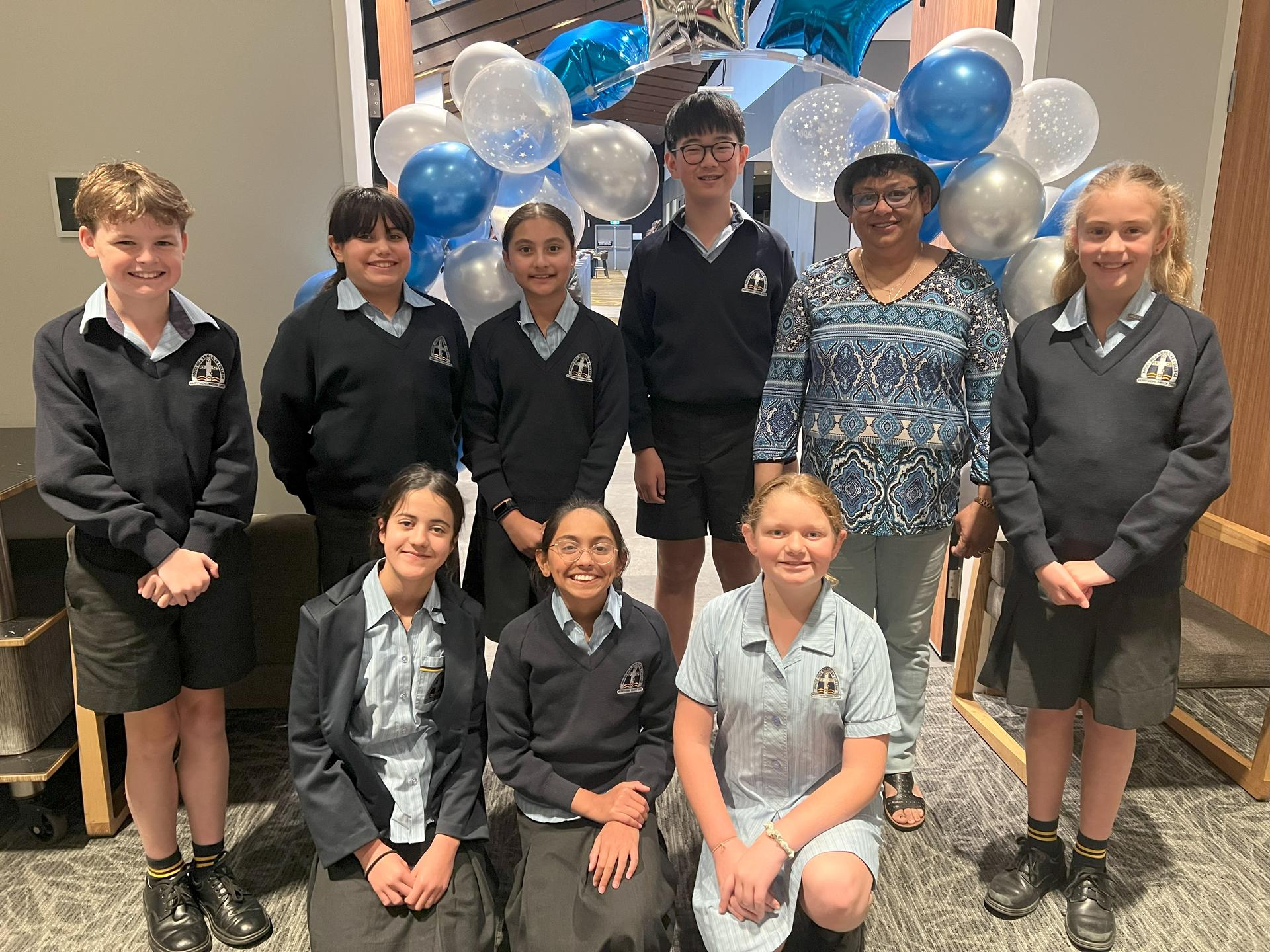
A special thank you goes to our Student Leadership Team, who have guided their peers with energy, creativity, and commitment throughout the year. Their efforts in representing the student body, organising events, and supporting younger students have left a lasting impact on our school community.
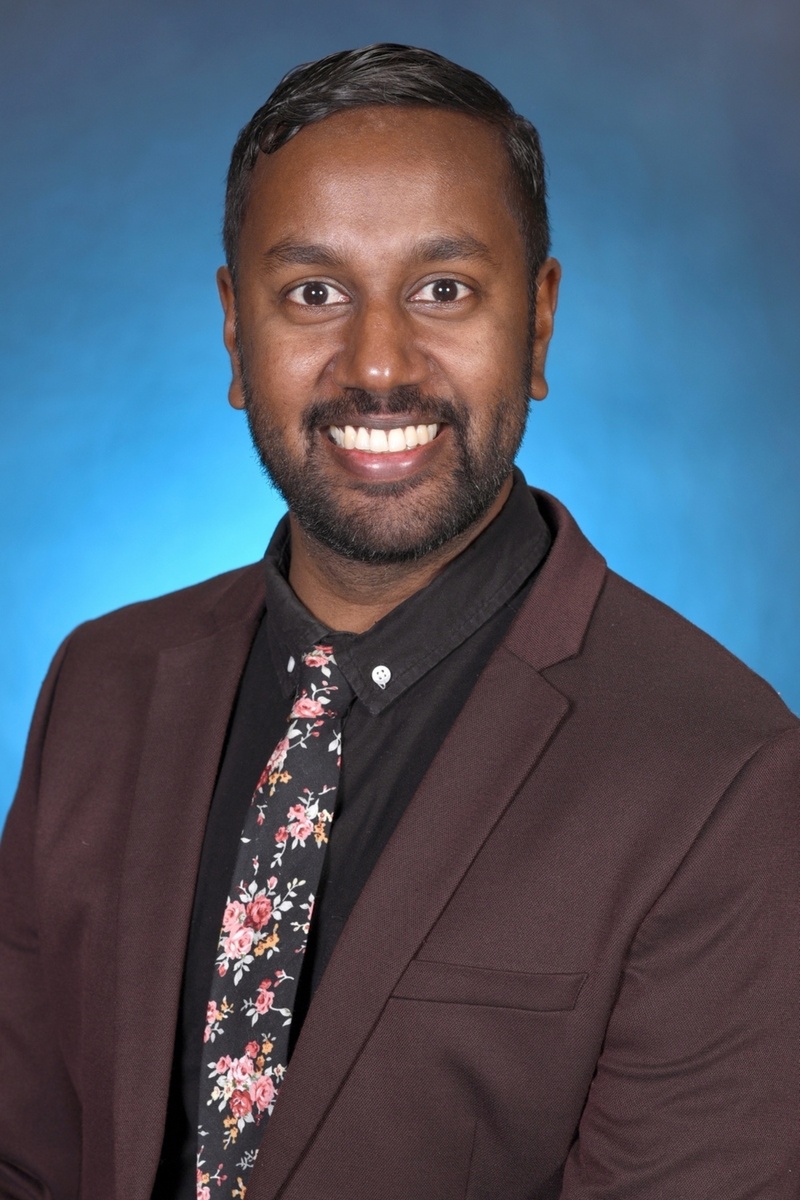
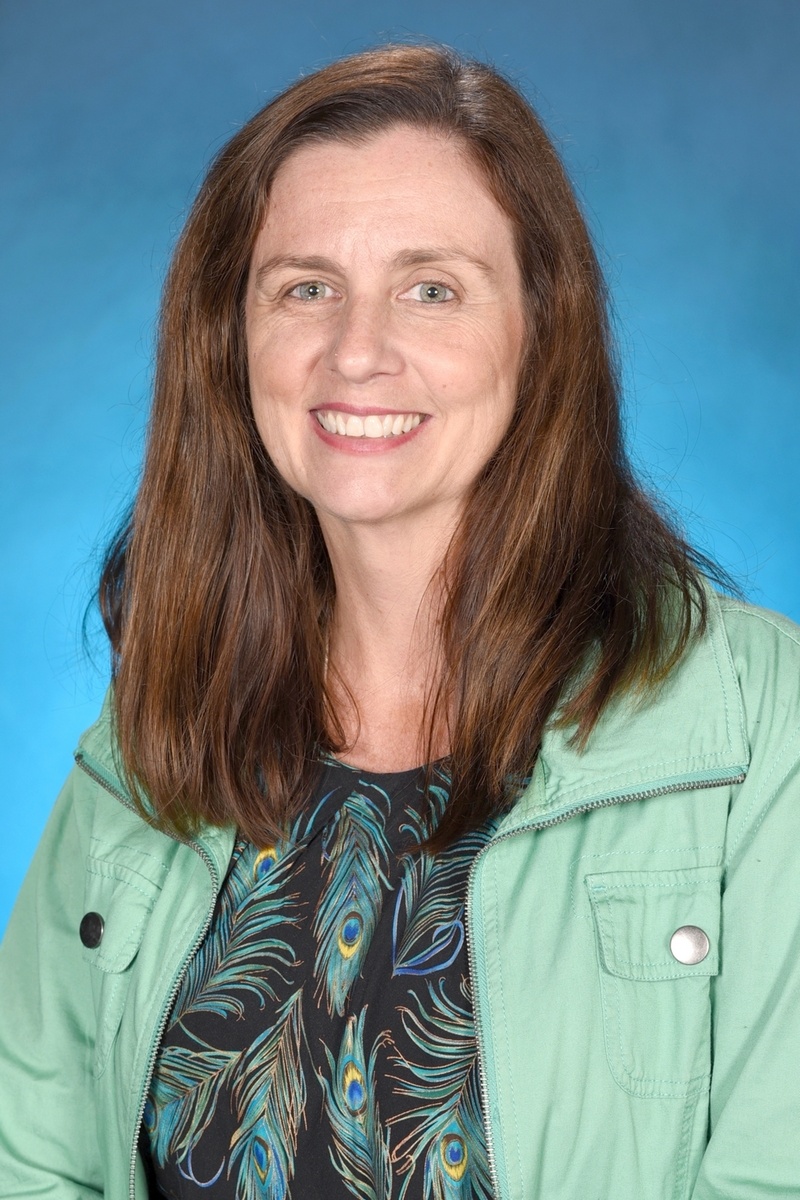
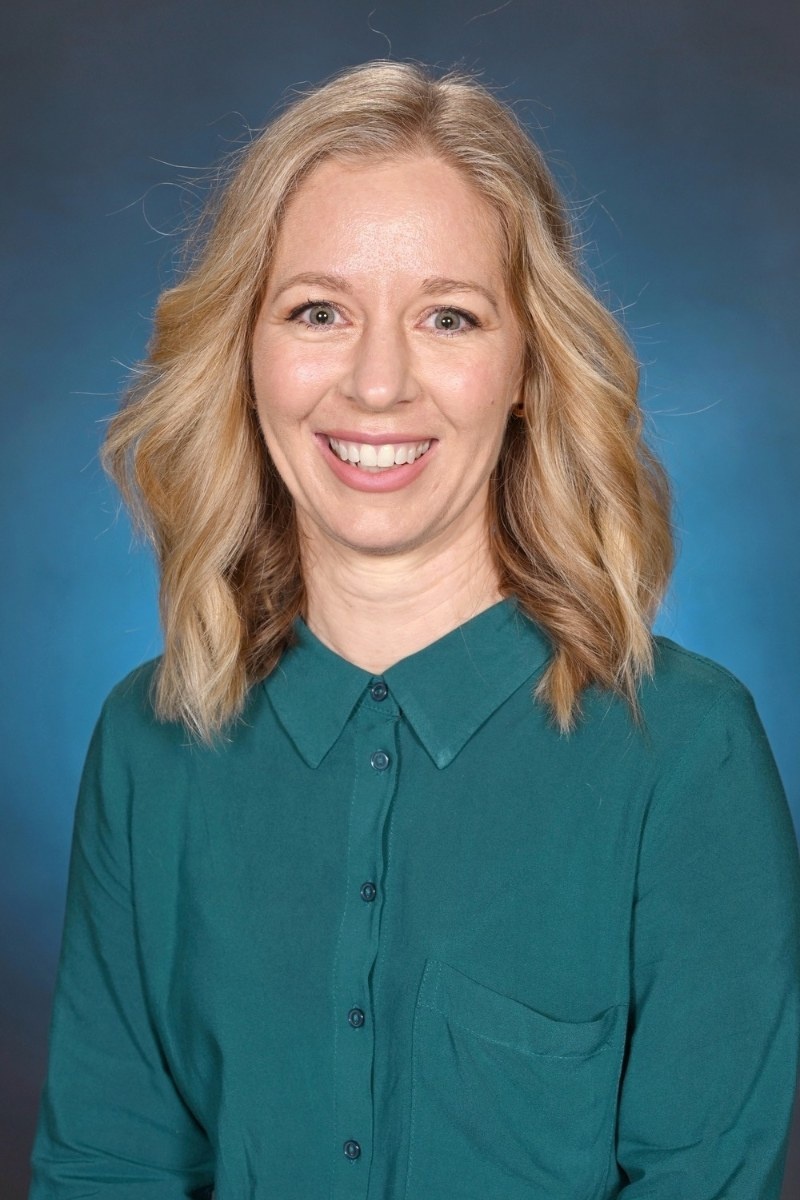
I also want to acknowledge the tireless work of our Year 12 class and Homeroom teachers; with a special thanks to Mrs Anna Nolan (Head of Years 10-12), Mrs Edwina Patten (Year Advisor), and Mr Spiridion Fernando (Assistant Year Advisor) , whose care, guidance, and encouragement have been central to the success and wellbeing of this graduating class.
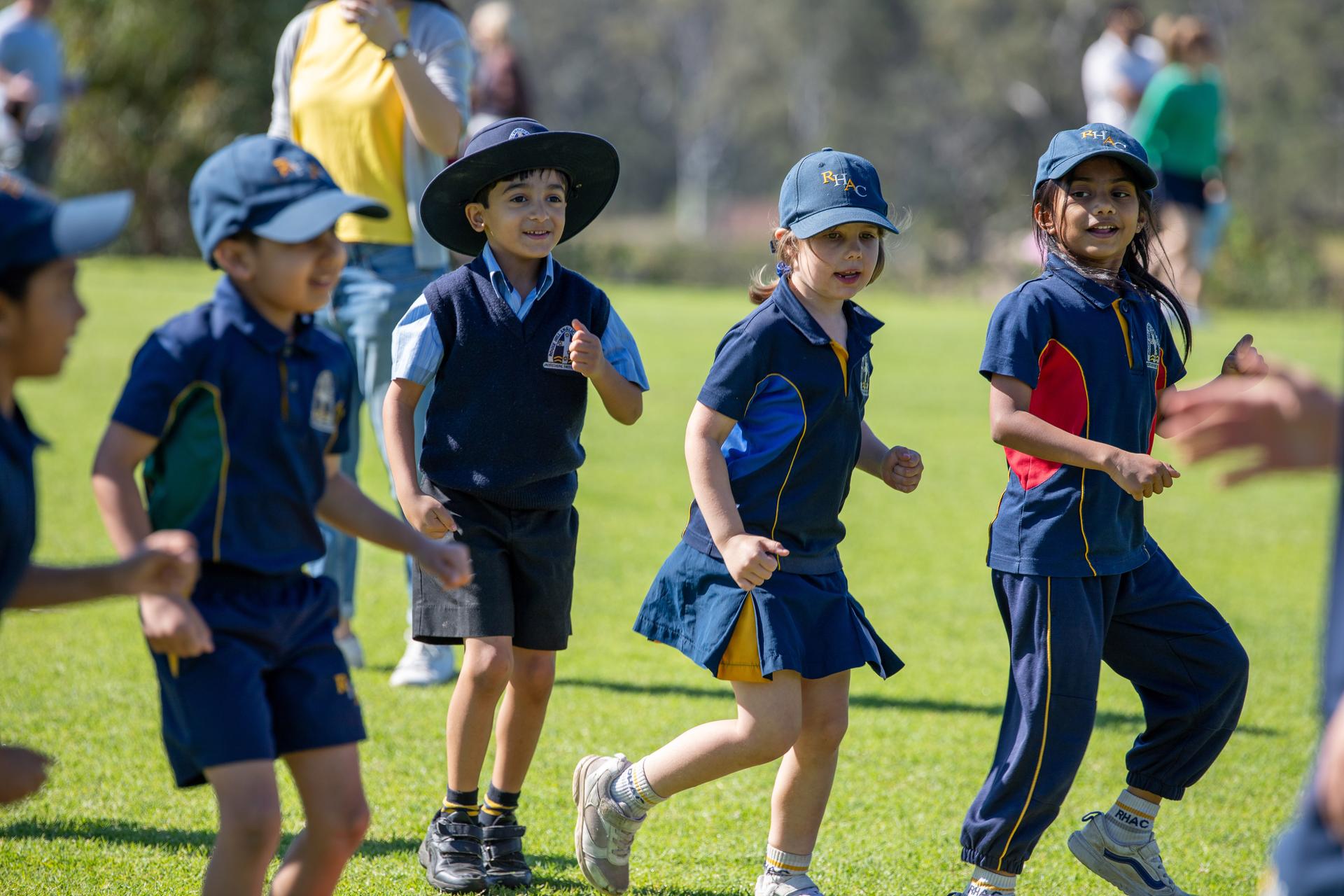
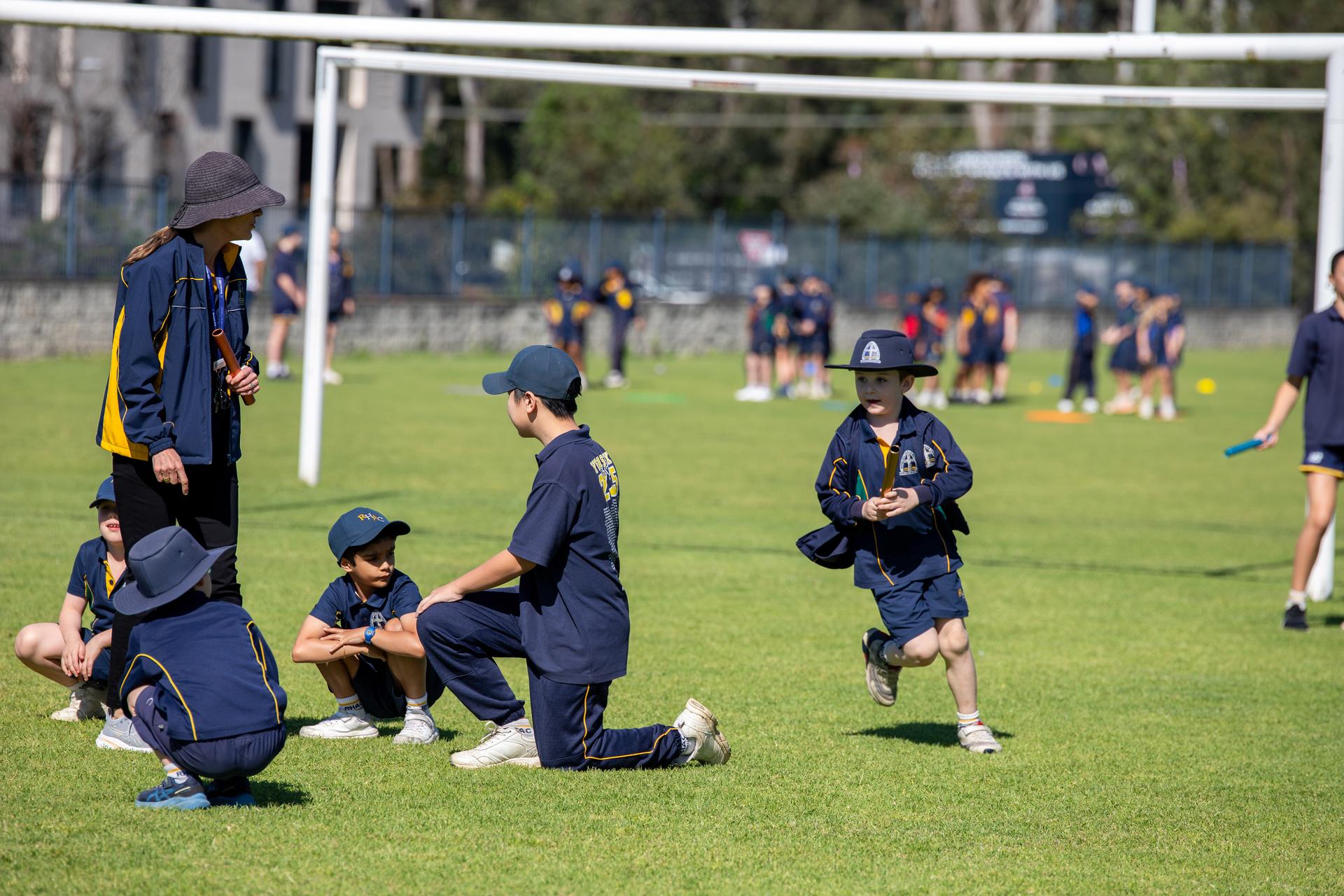
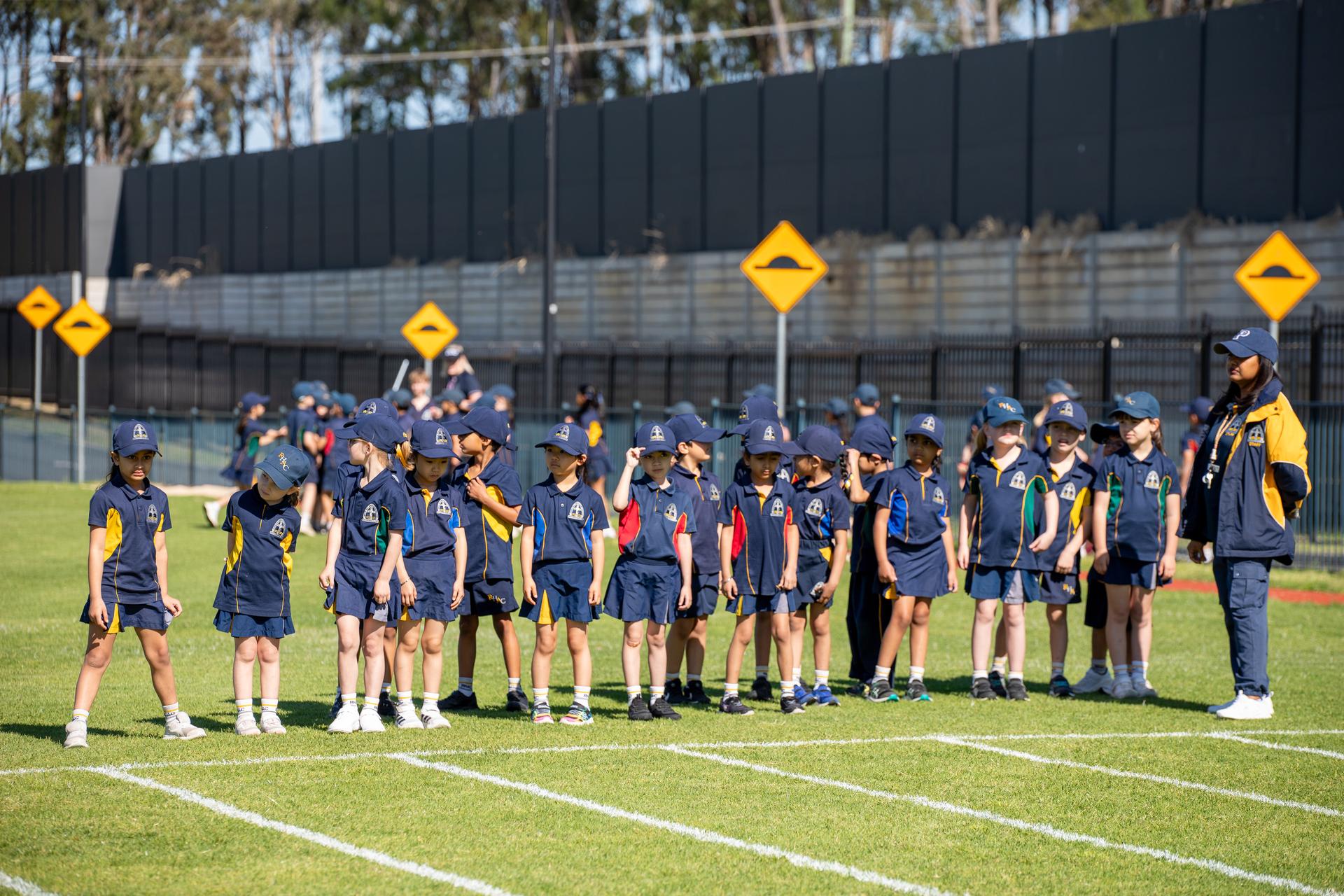
As part of this week’s graduation ceremony, Kindergarten enthusiastically performed Colin Buchanan’s song ‘Strong and Courageous’ for Year 12. This was incredibly moving, and allowed us time to pause and to reflect on the journey from Kindergarten through to Year 12, where we celebrate not only academic achievements but also the friendships formed, the challenges overcome, and the growth that comes from a whole-school experience. Our graduates now join a proud tradition of alumni who carry the values of our school into their communities and futures.
As we set this Class of 2025 out into the world, we recognise that the weeks leading up to final exams can be a time of pressure and anticipation. Parents and families play a vital role in supporting students during this season. Some simple but powerful ways to help include:
- Providing balance: Encourage regular breaks, exercise, and healthy meals to sustain both body and mind.
- Creating a calm environment: A quiet, supportive space at home can make study sessions more effective.
- Offering encouragement: Gentle reminders that effort matters as much as results can reduce stress and build confidence.
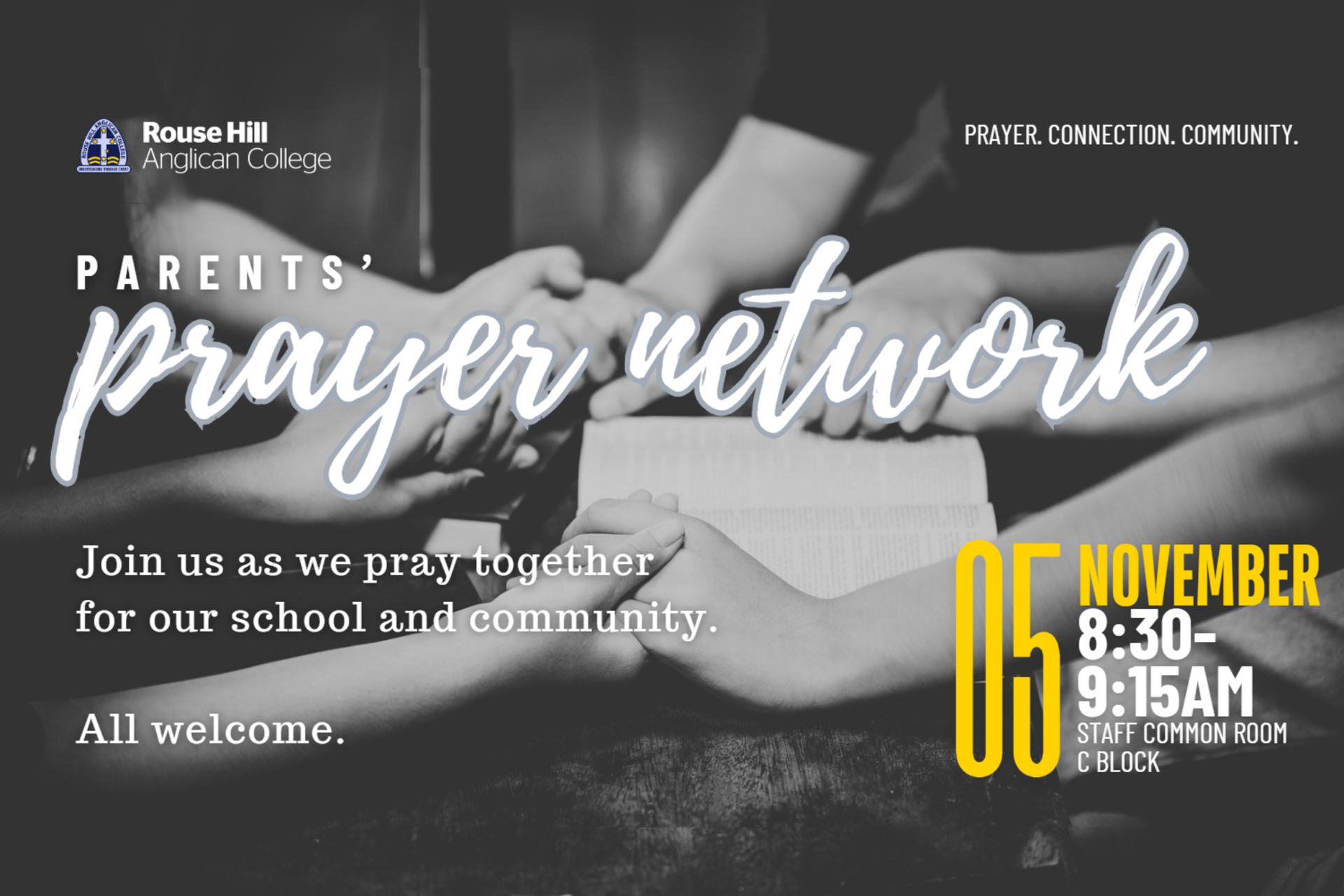
- Praying together: For families of faith, committing this time to prayer can provide comfort and peace.
We look forward to seeing these students back on campus in October, to complete their exams.
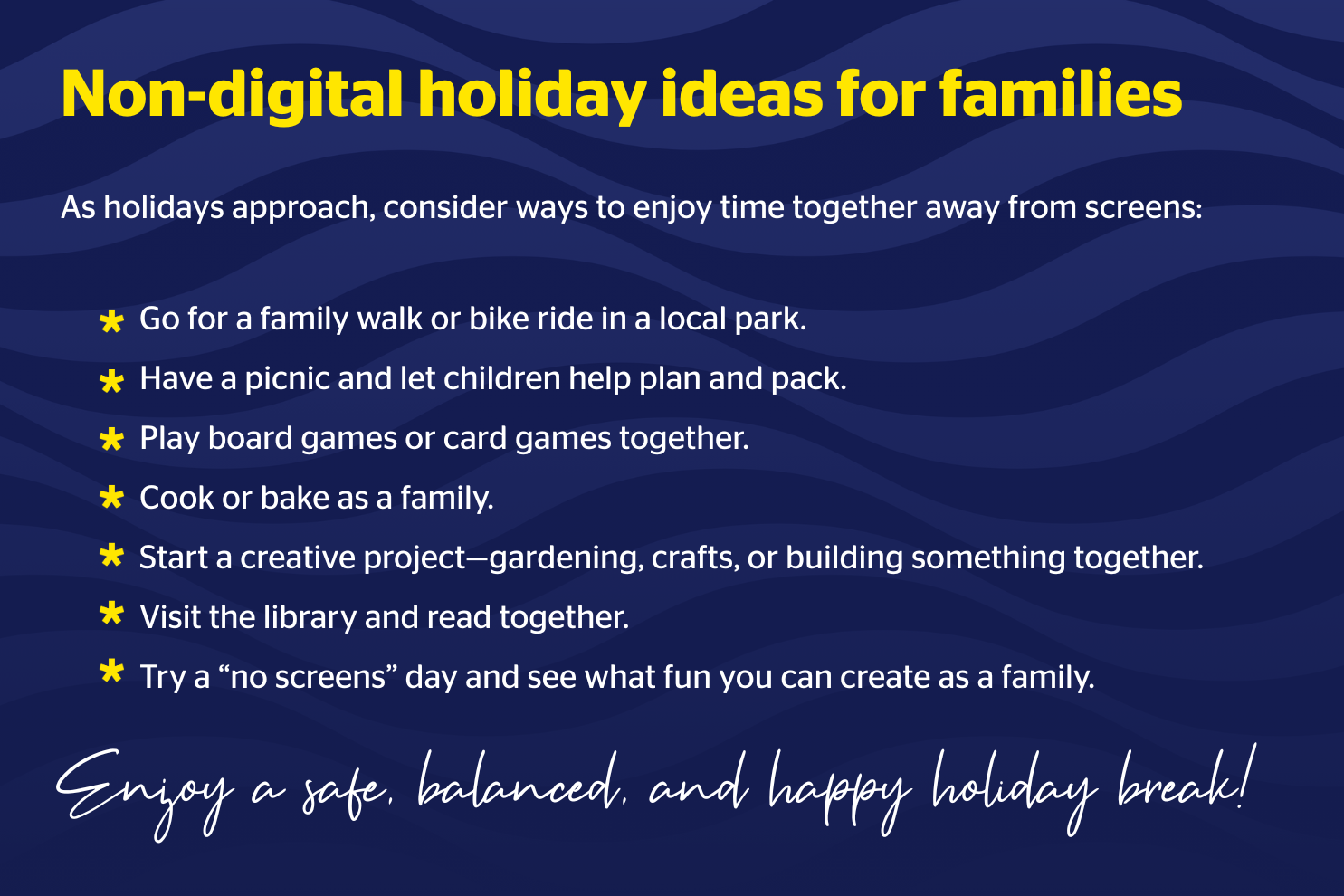
As we wrap up a wonderful Term 3 for Years 7-11, I wish you all a safe and enjoyable spring break.