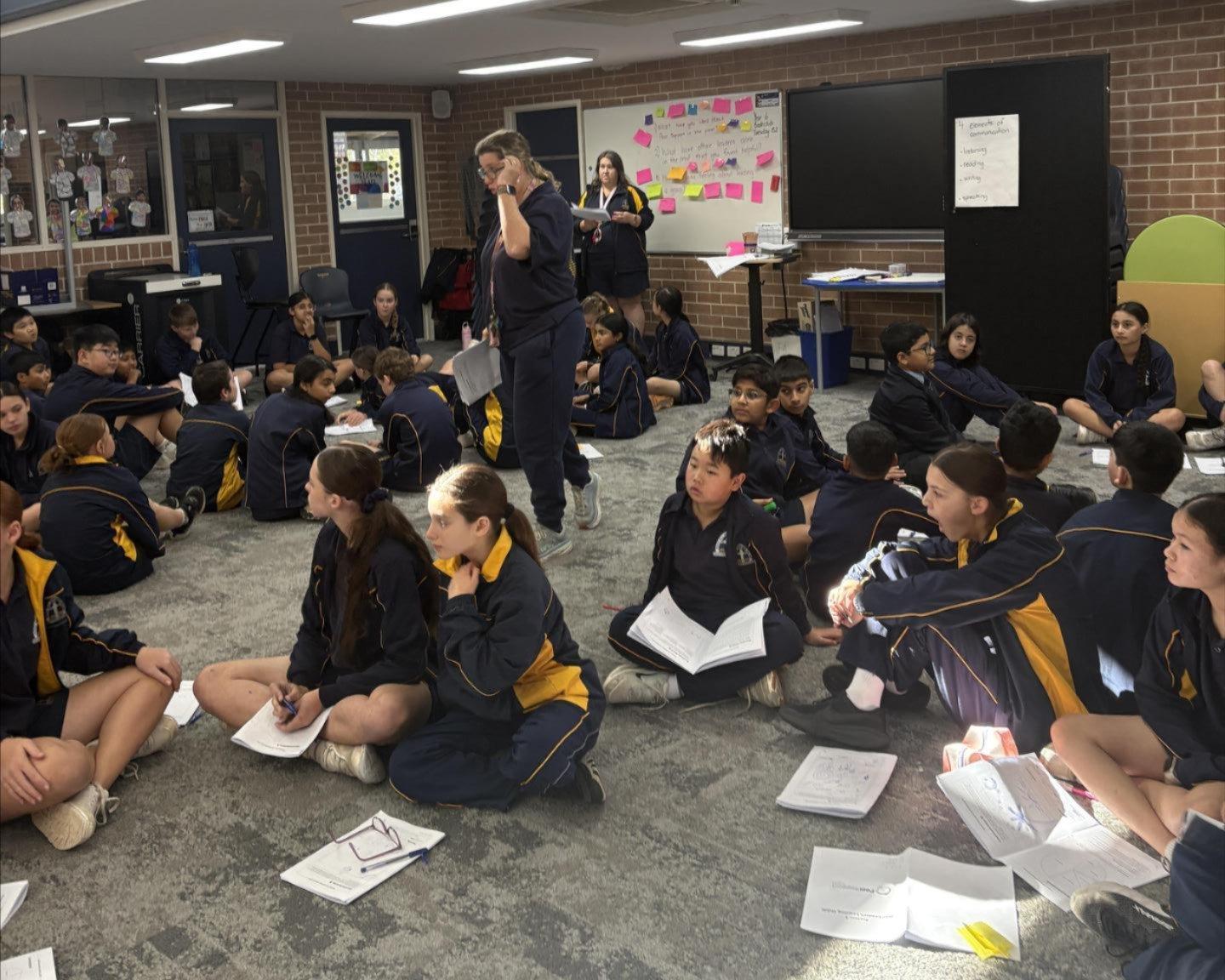
This weekend I read student reports across Kindergarten to Year 6. I am impressed by the thoughtful reflections our students have written about their learning and the goals they have set for themselves. These reflections provide a valuable insight into how our students see themselves as learners and remind us of the important role that reflection and goal setting play in growth, achievement and wellbeing.
Reflection is a powerful practice. It helps us remember lessons learned and gives us a sense of accomplishment. When we take time to think deeply about our experiences, challenges and successes, we can identify the moments that have brought us joy, recognise how we have grown and consider what we might do differently moving forward. Reflection allows students (and adults) to pause and appreciate their progress, rather than always looking ahead to the next task or challenge.
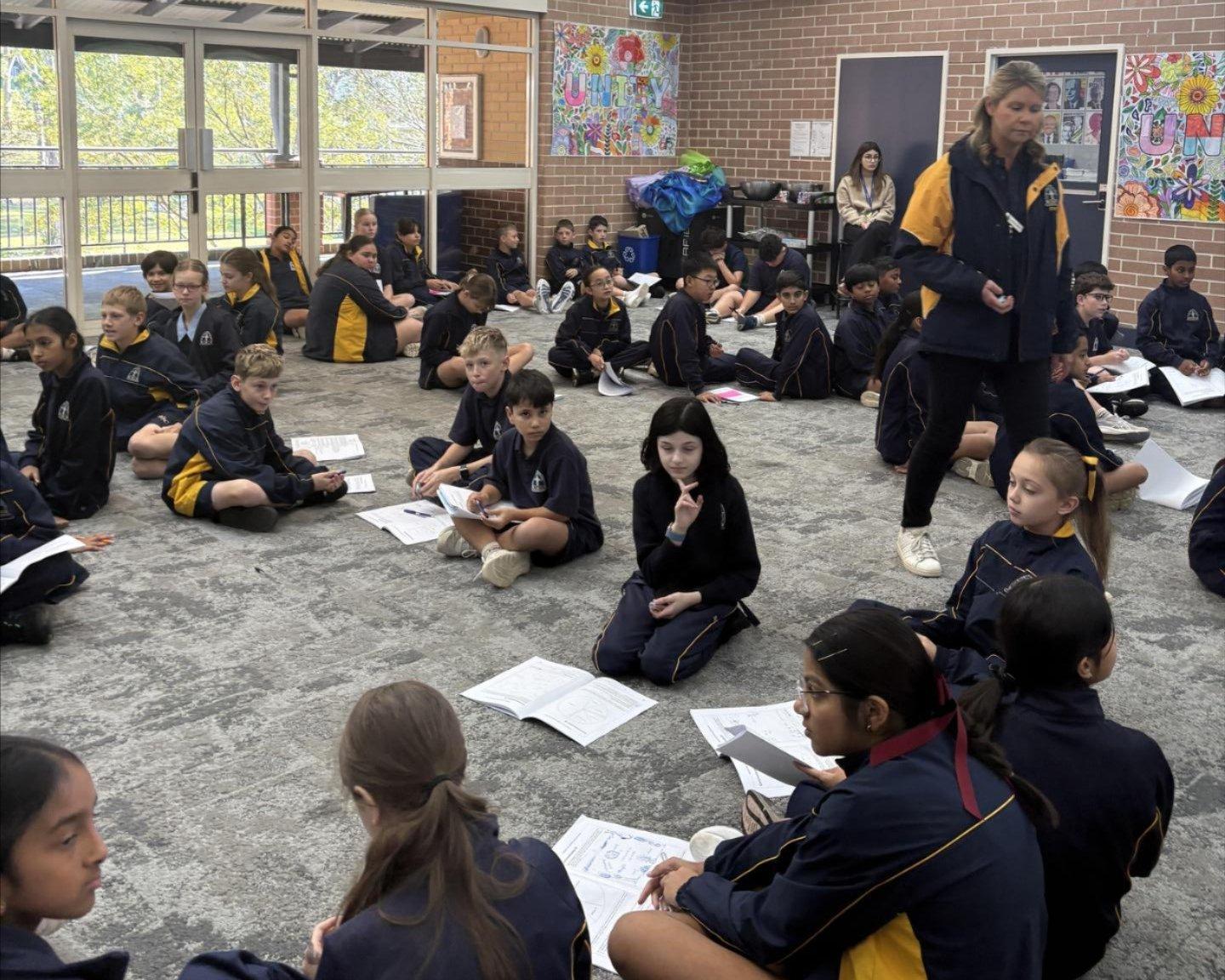
Learning is not simply about teachers presenting new knowledge or skills. Effective learning happens when students, guided by their teachers, think about their progress, recognise their strengths, identify areas for improvement and consider the next steps in their journey. This process develops self-awareness, resilience and a growth mindset. It also builds important metacognitive skills where students think about and understand their own learning. When students can recognise how they learn best and track their own growth, they become increasingly confident and independent learners.
Equally important is the process of setting goals. When we help children set manageable and meaningful goals, they develop a greater sense of ownership over their learning. Goals provide direction and motivation, helping students understand that they can accomplish hard things when they remain focused, committed and willing to persevere. Goal setting transforms reflection into action by answering the simple but important question: What will I work on next?
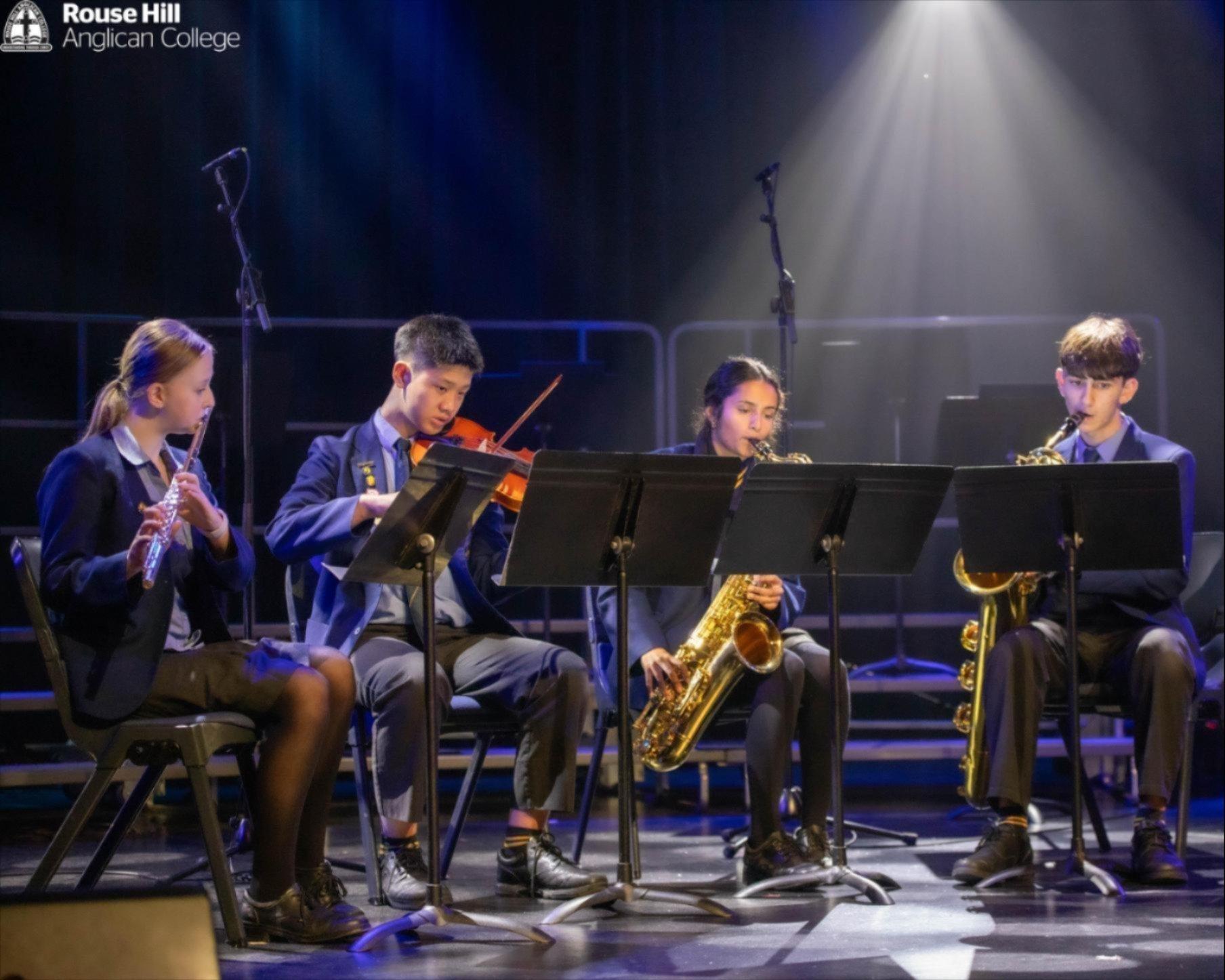
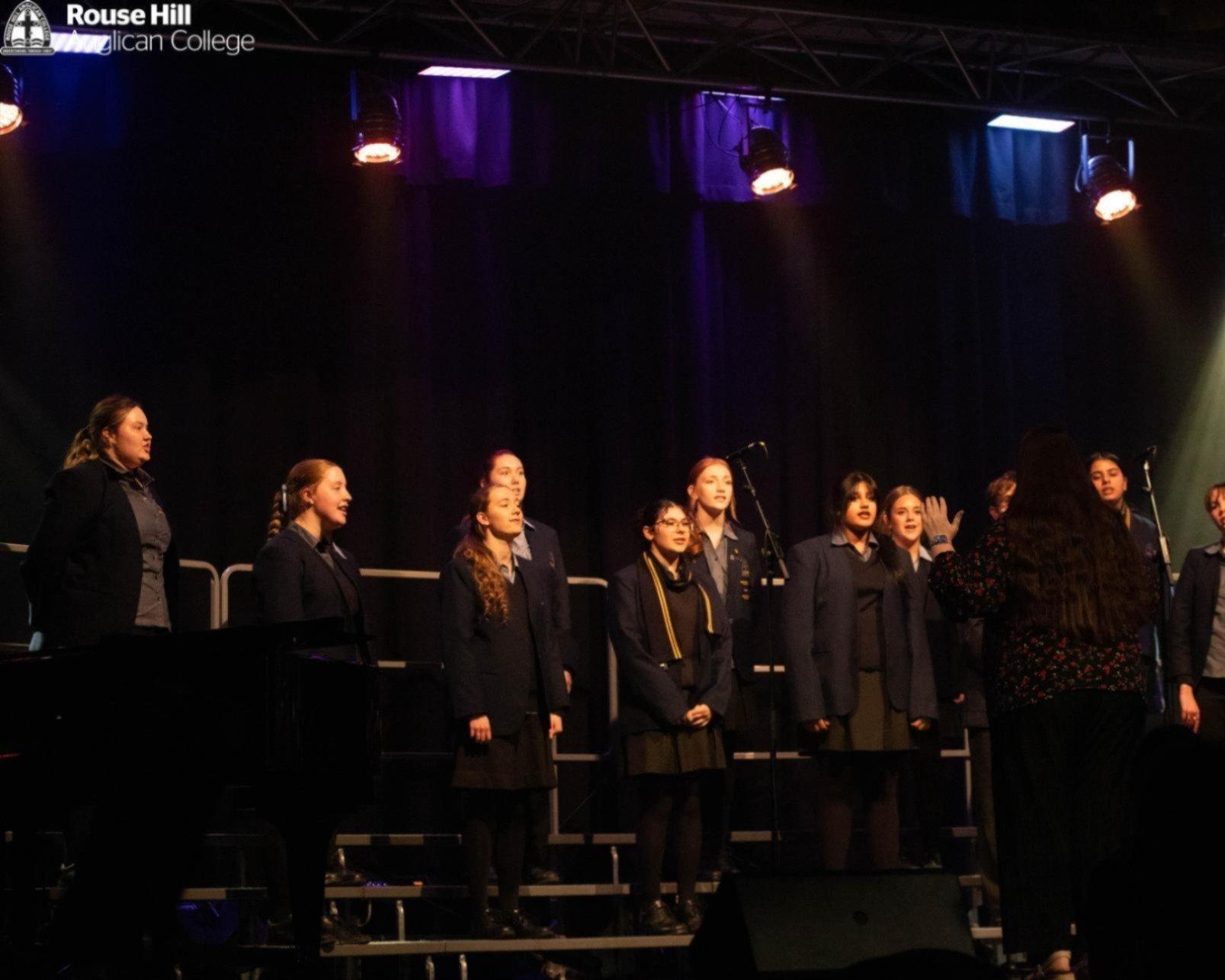
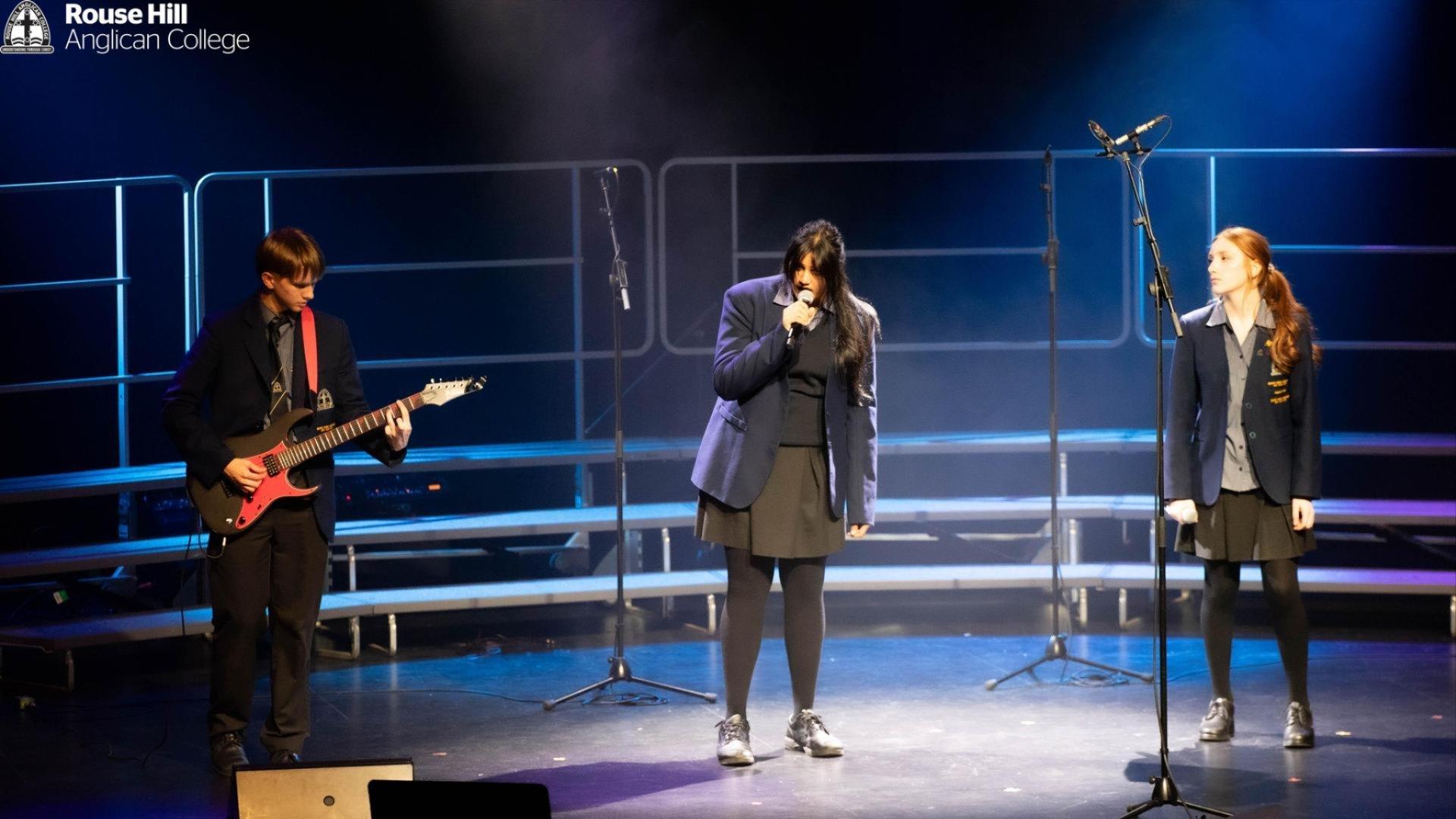
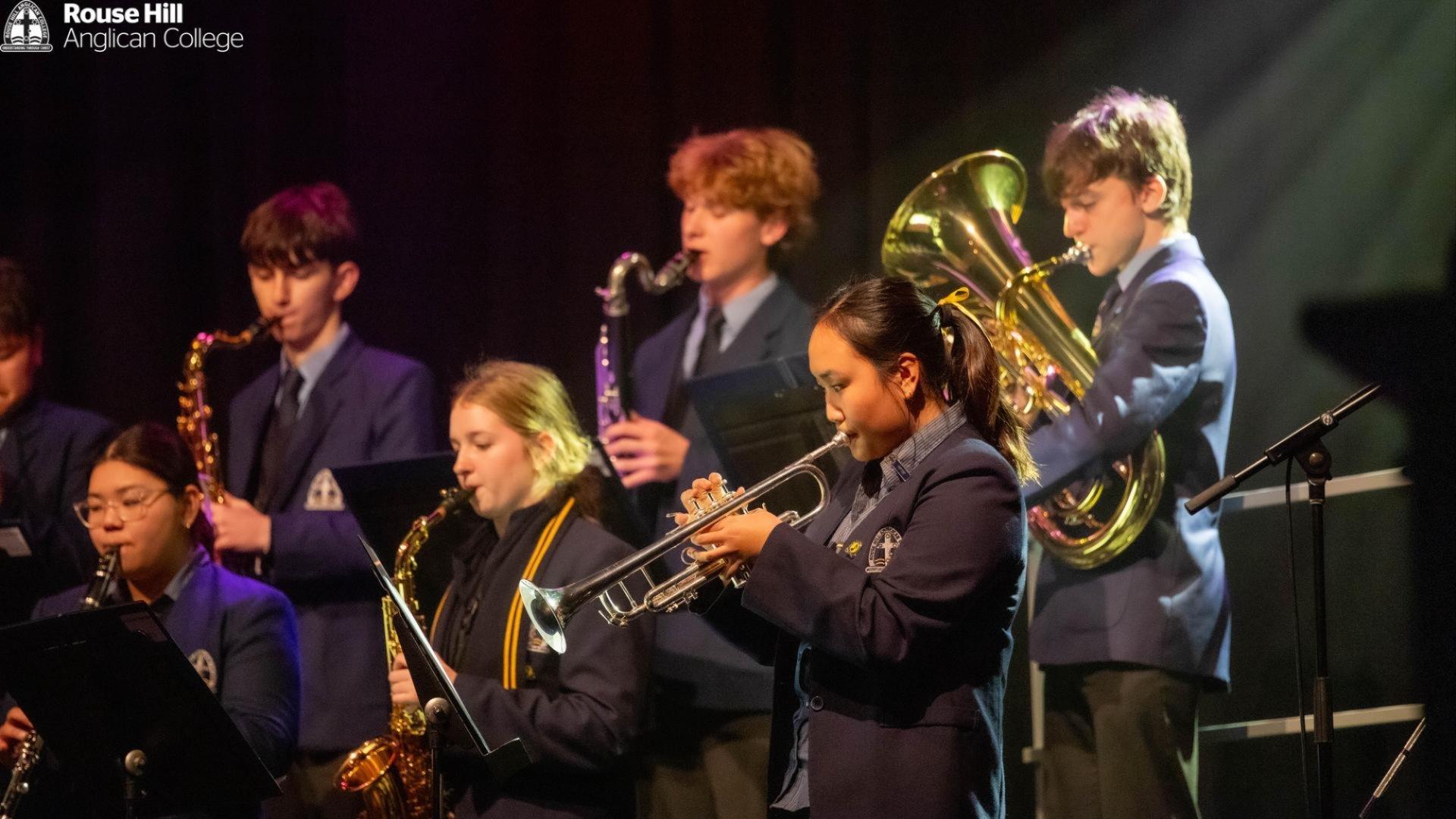
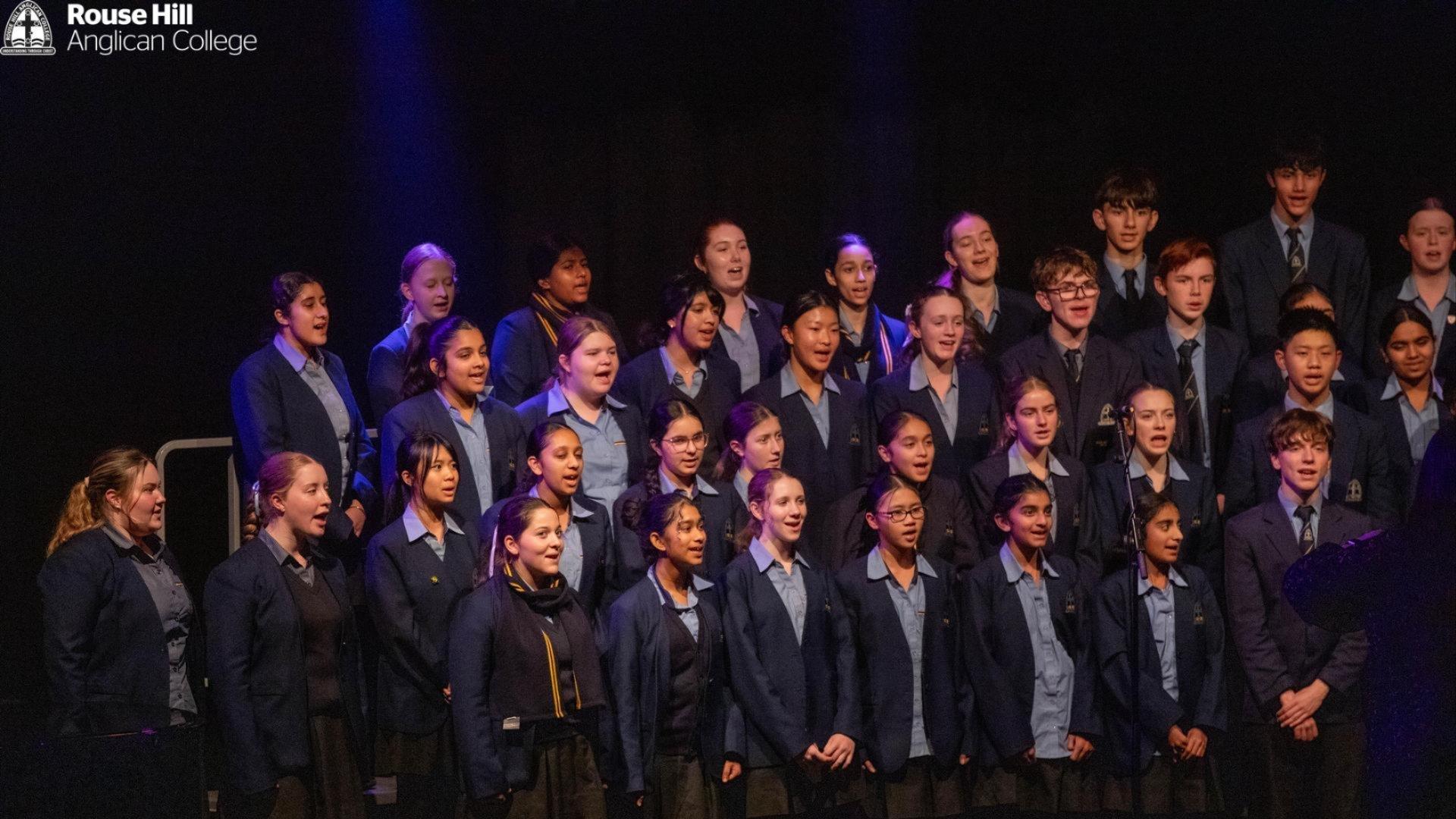
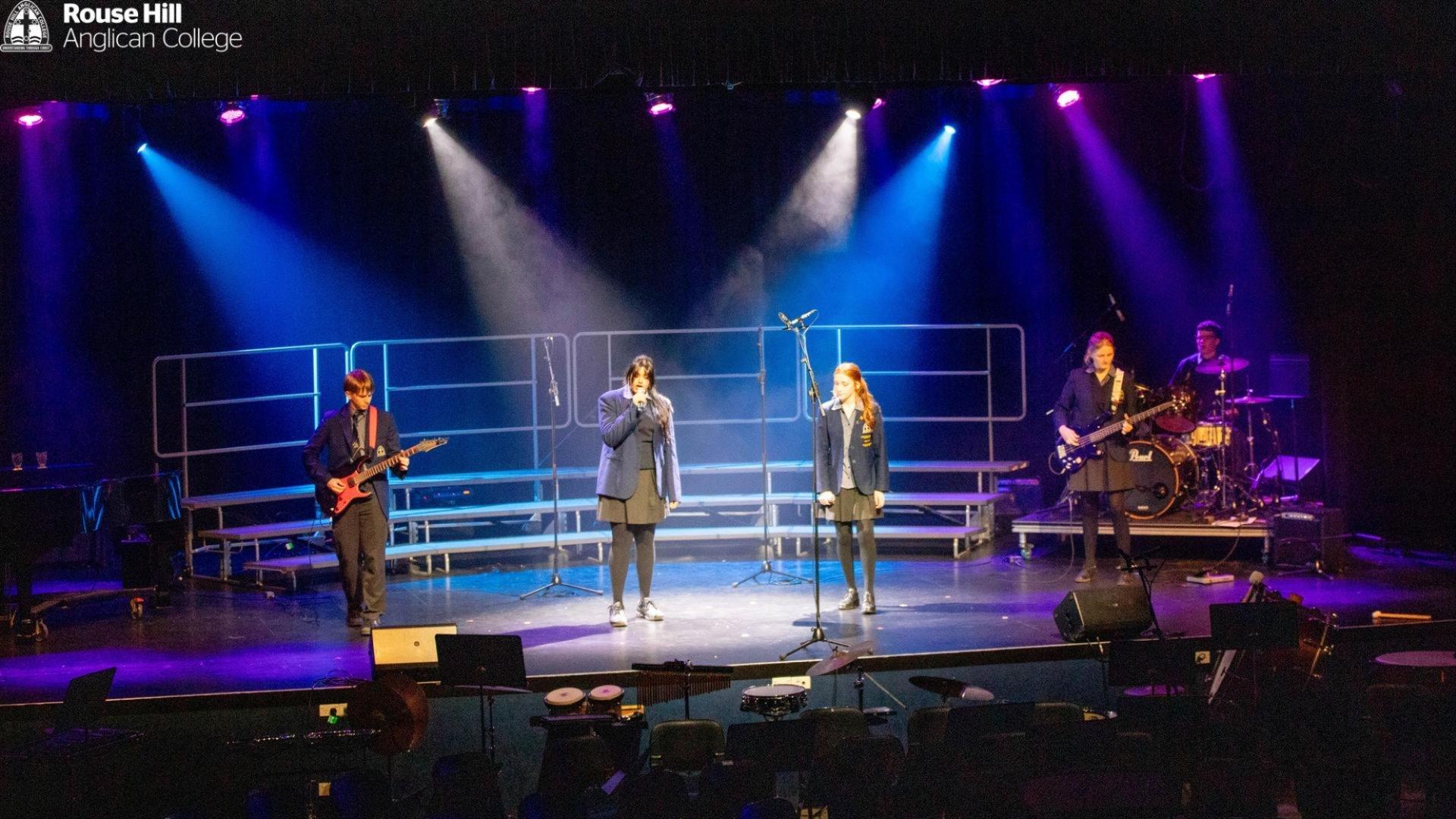
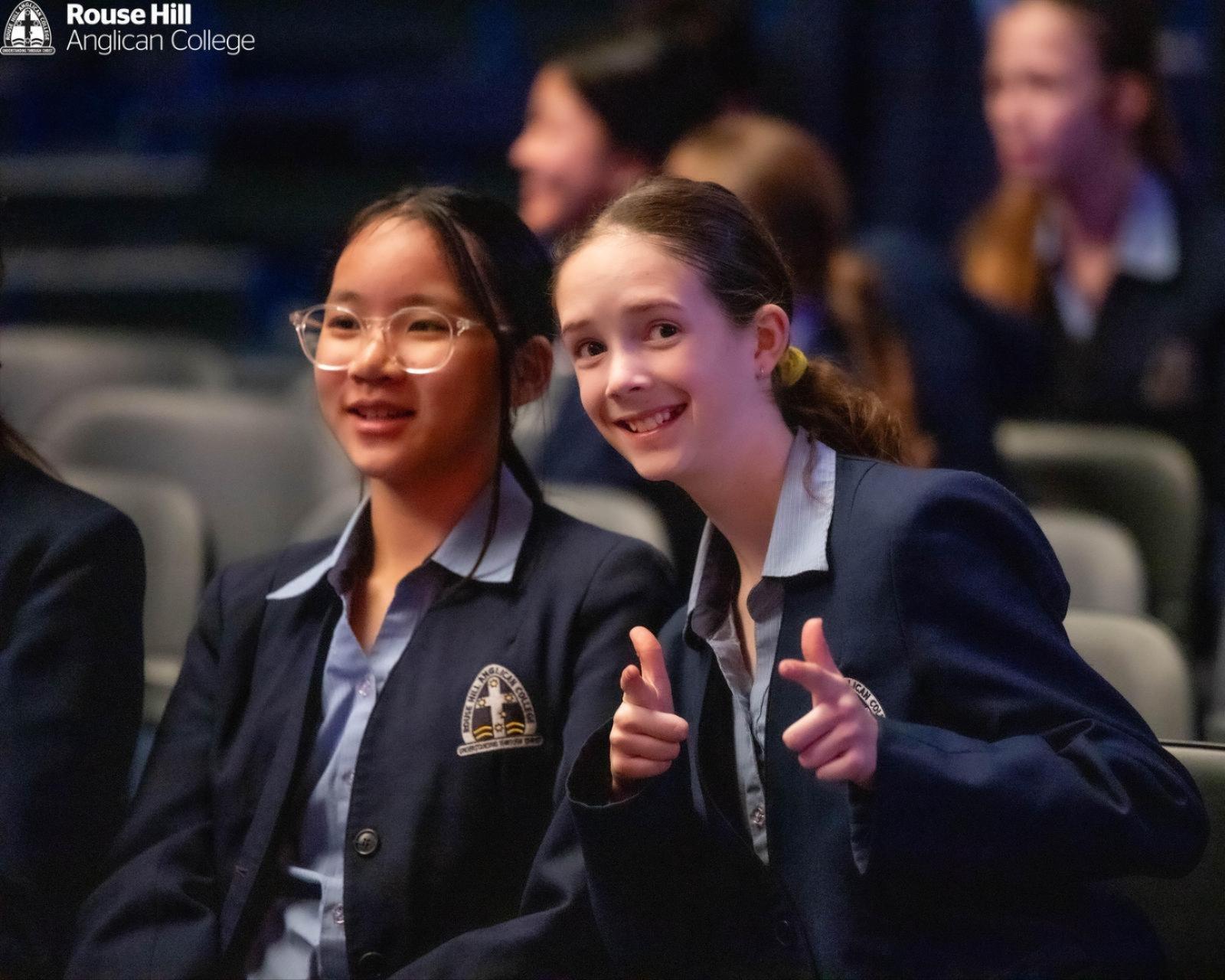
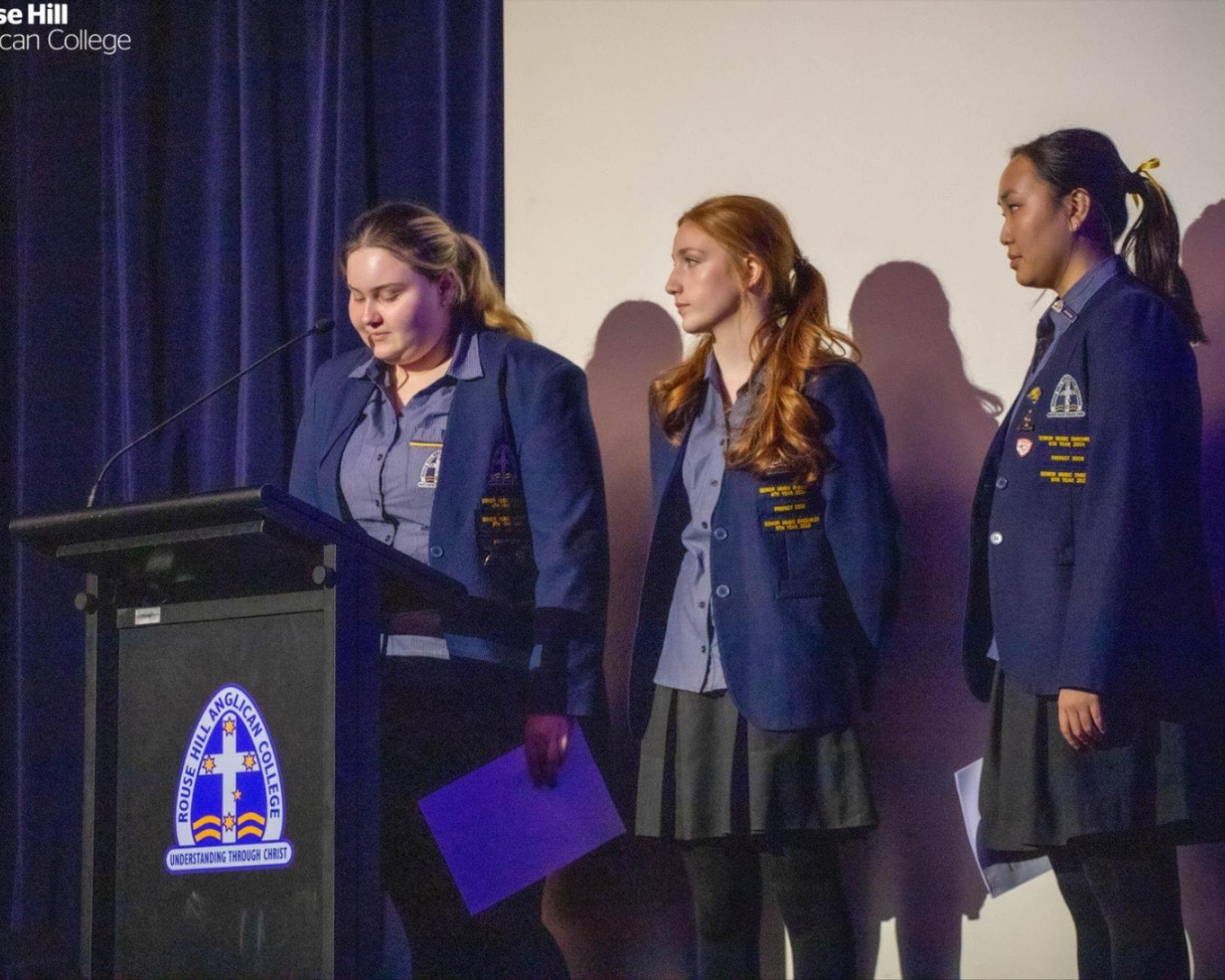
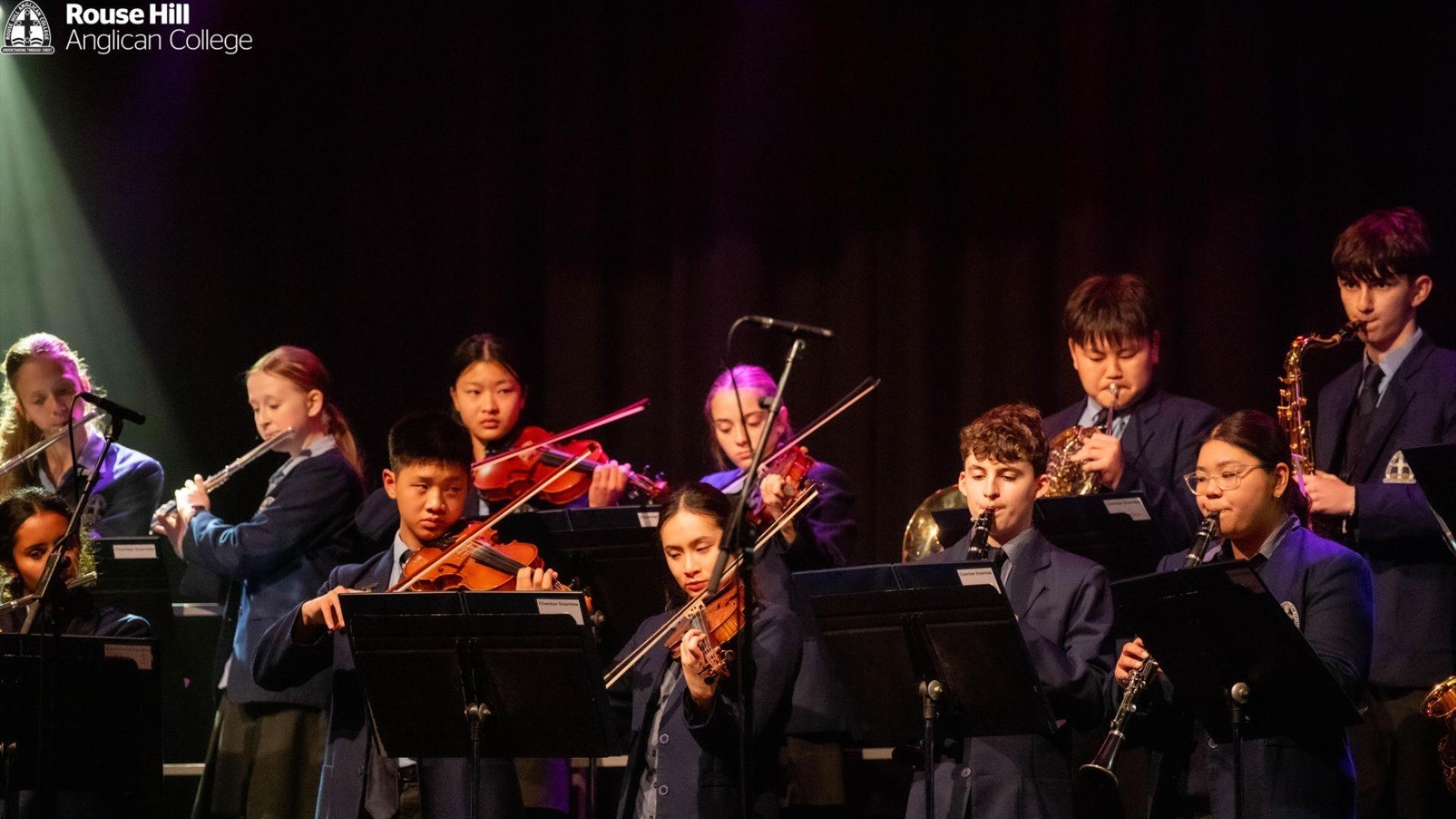
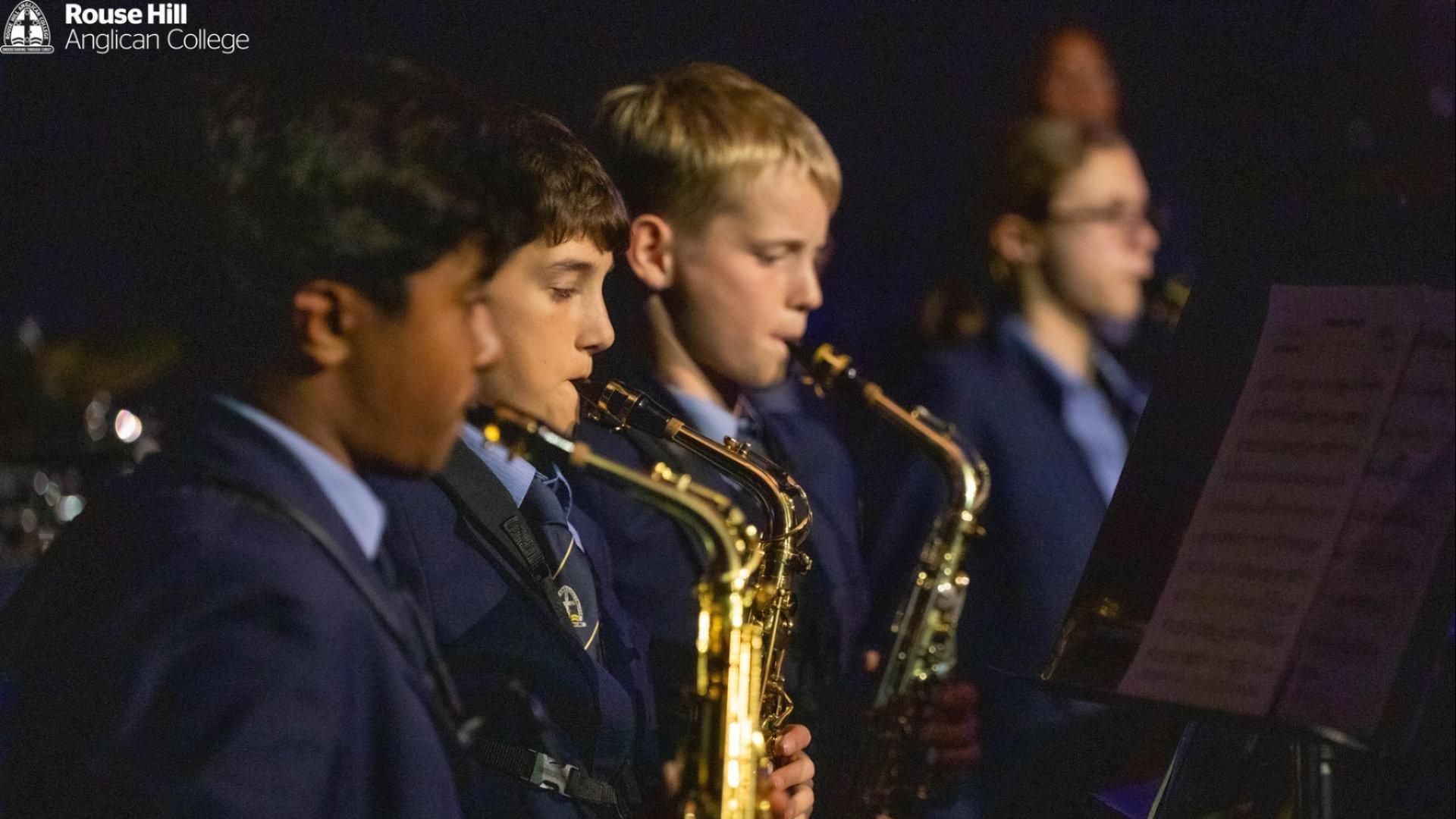
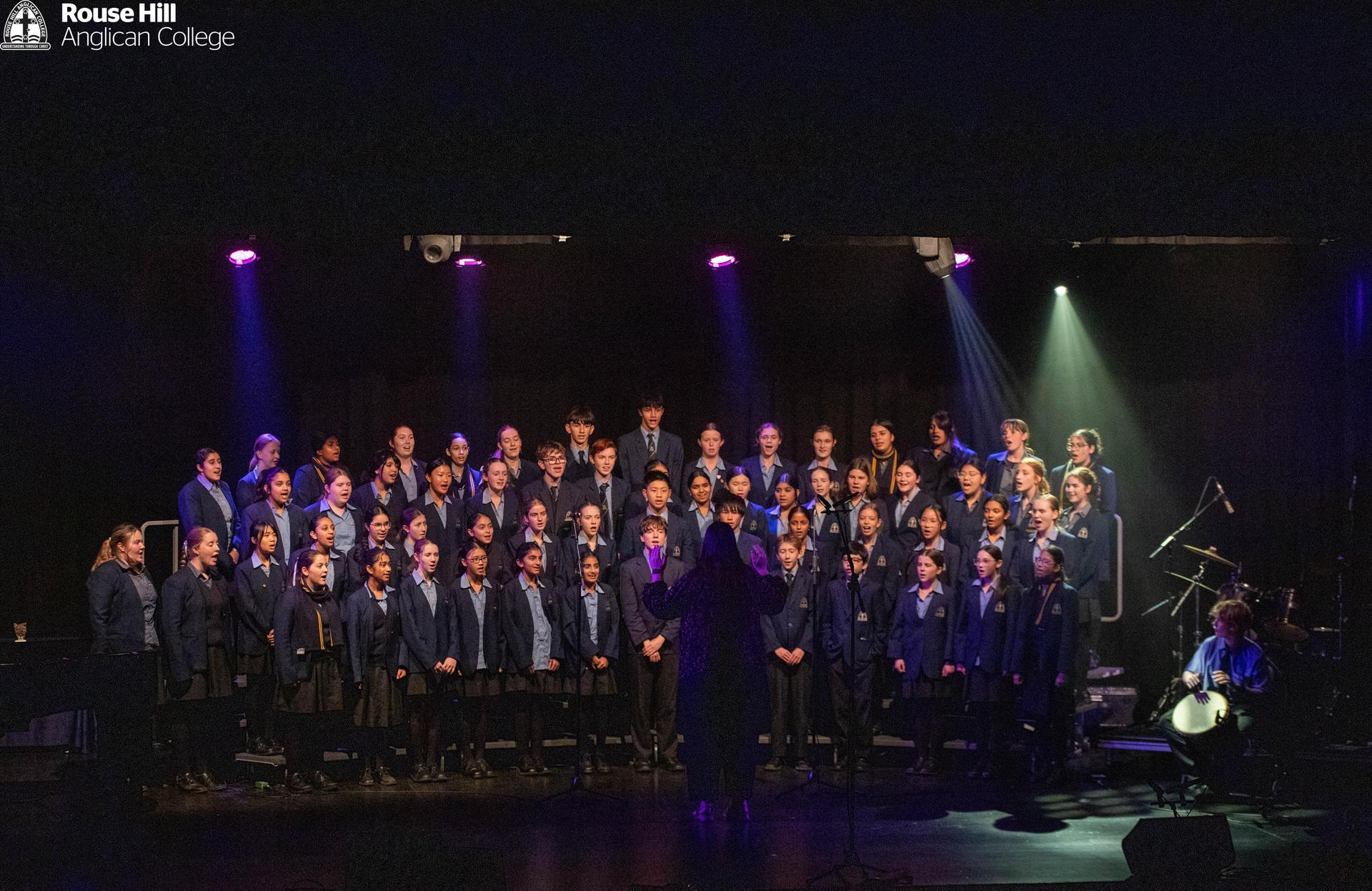
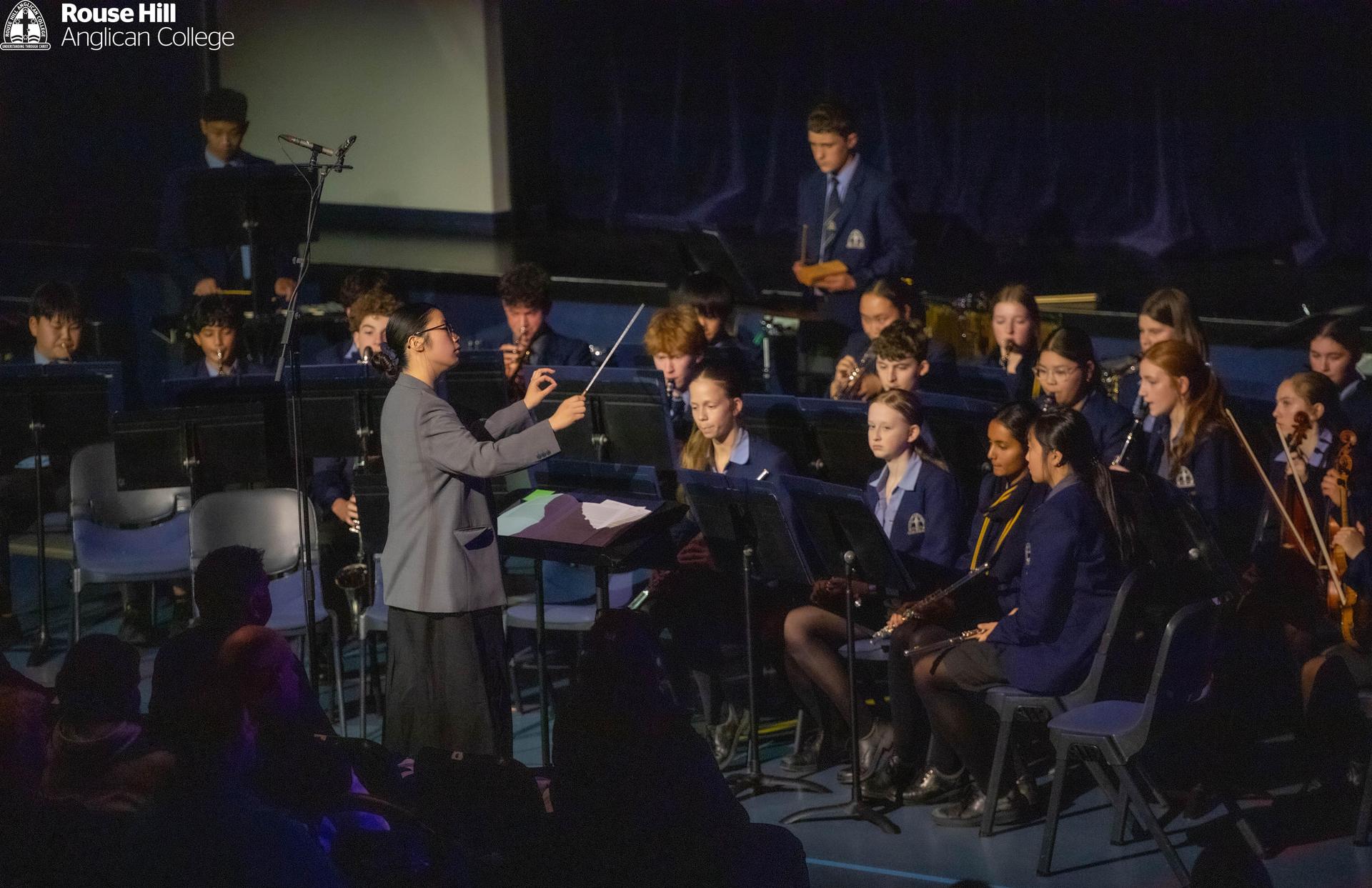
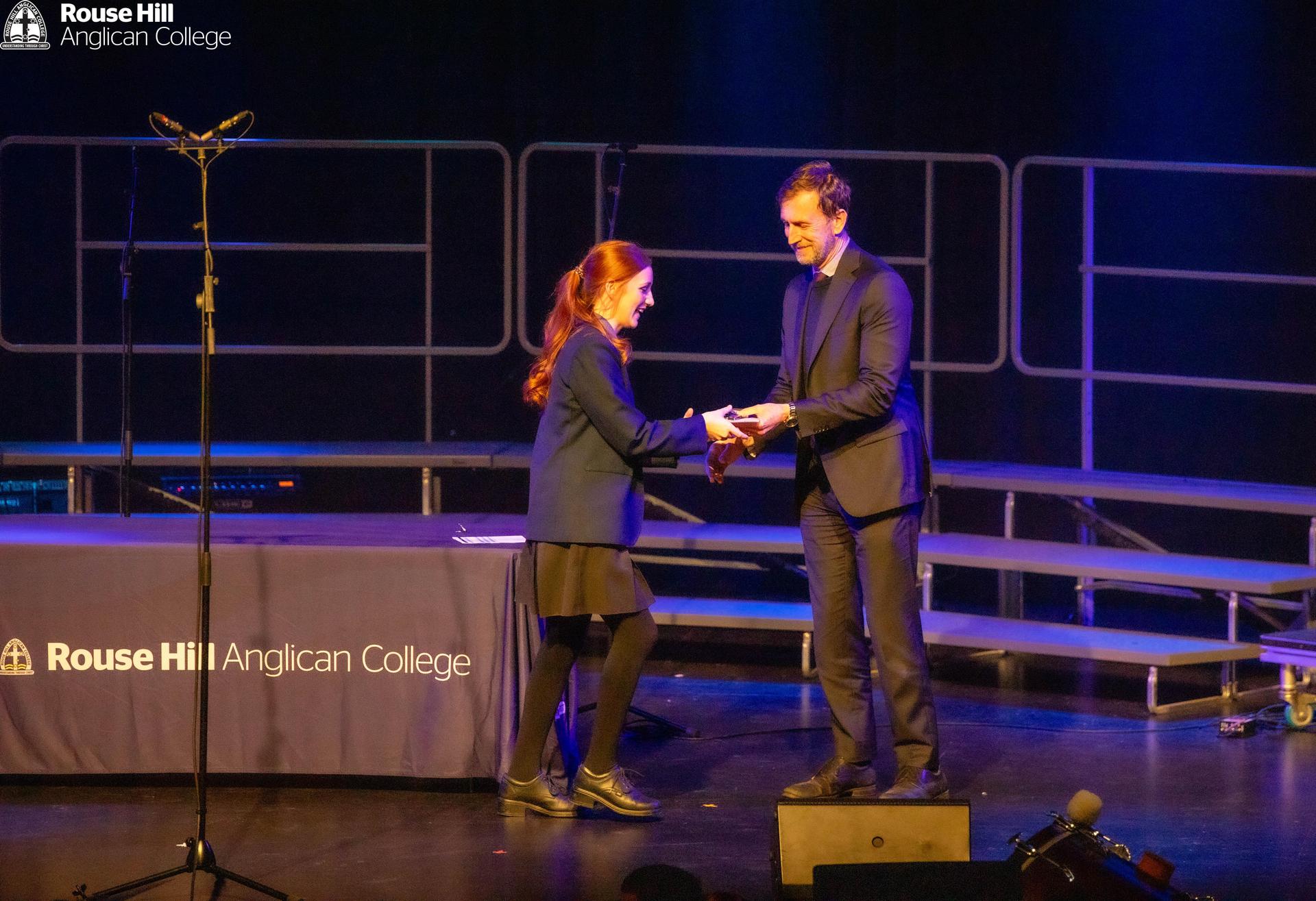
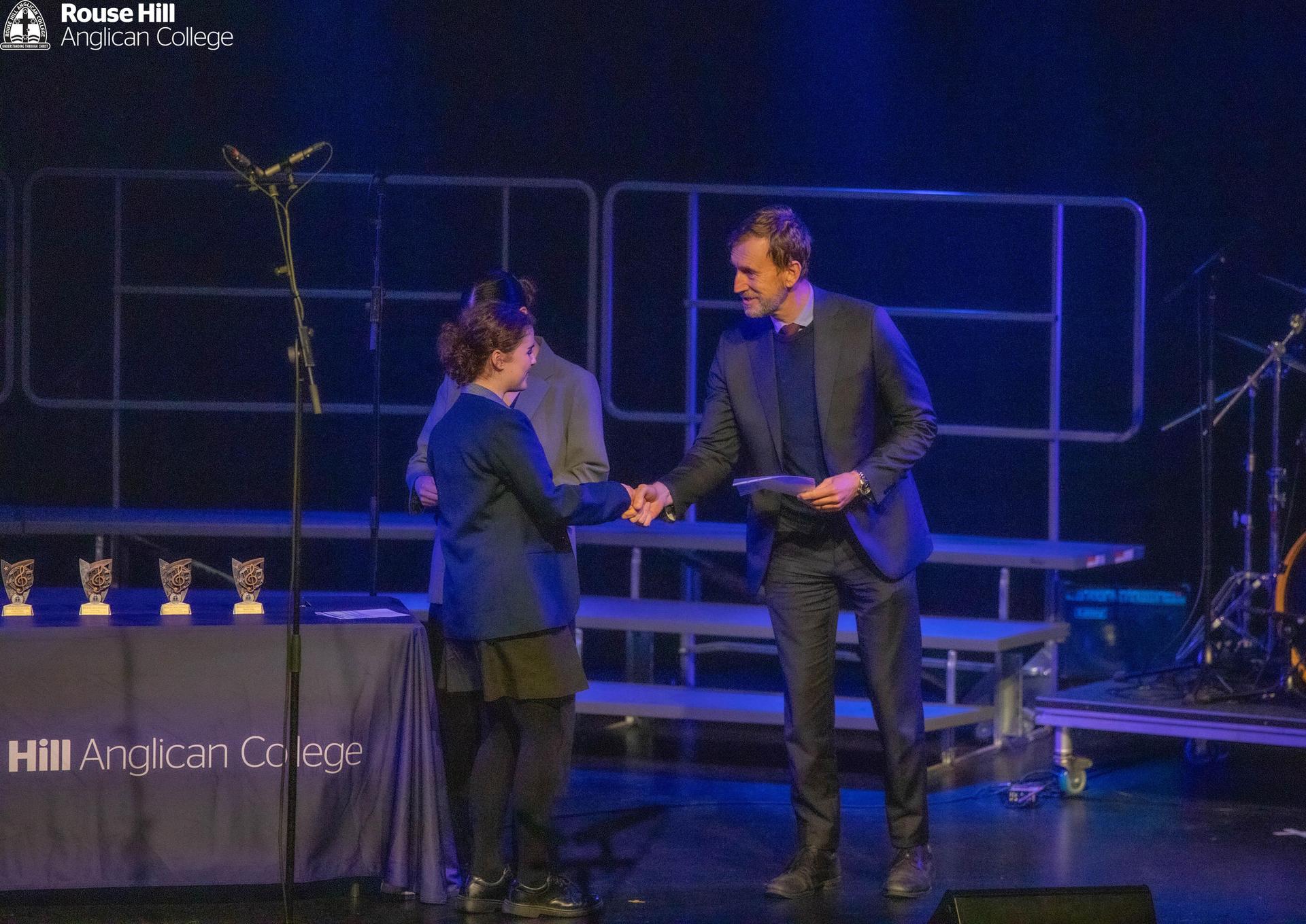
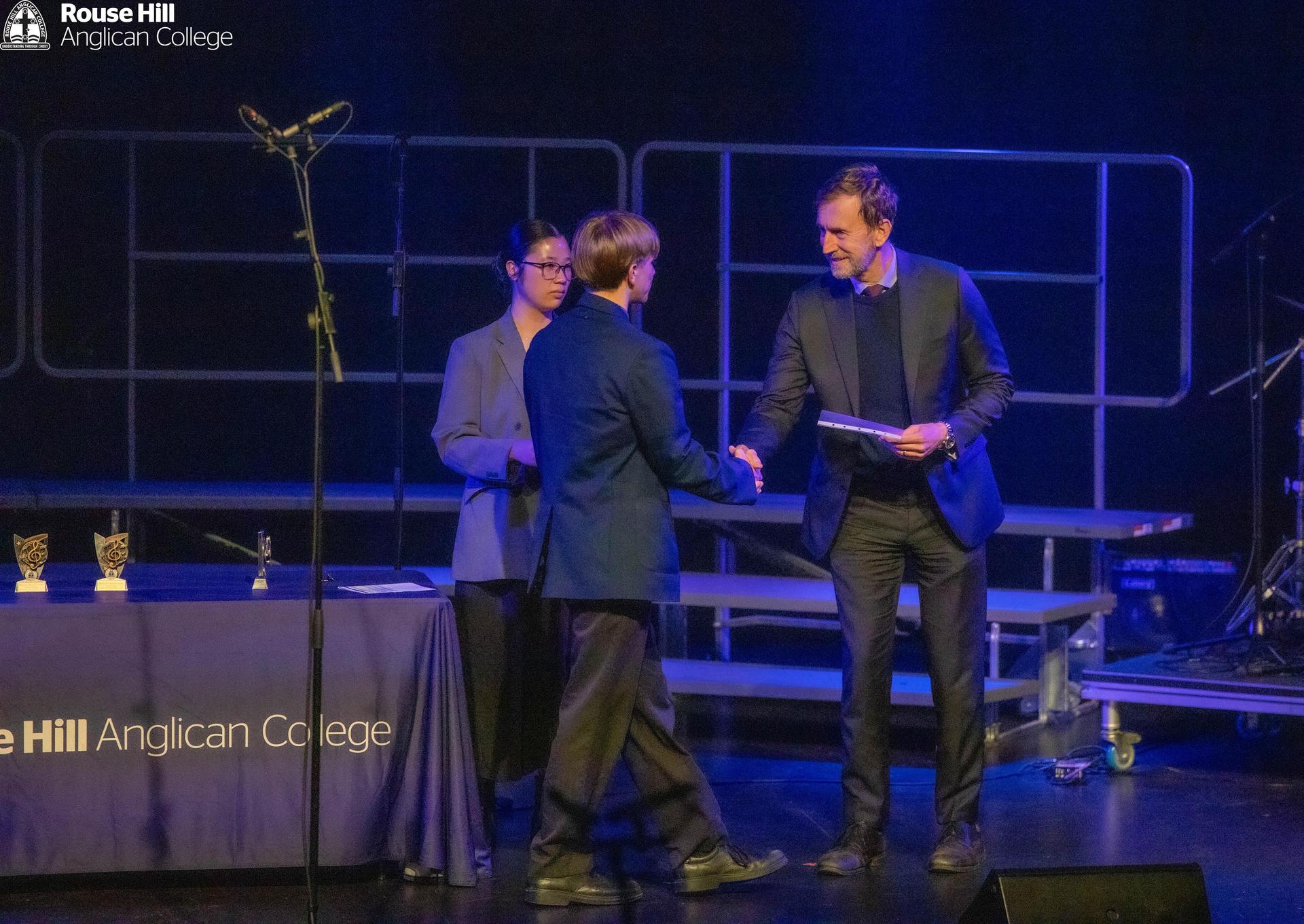
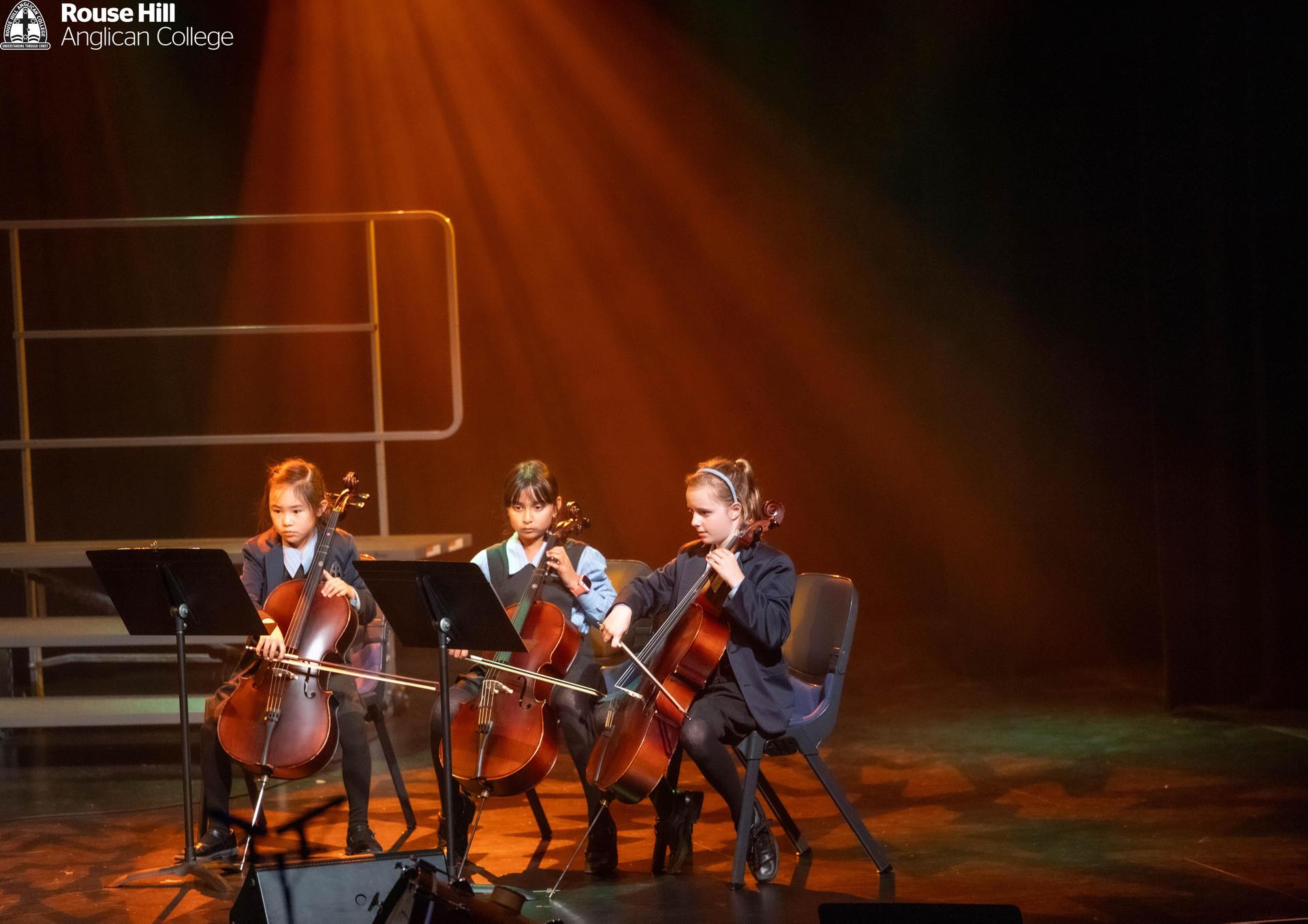
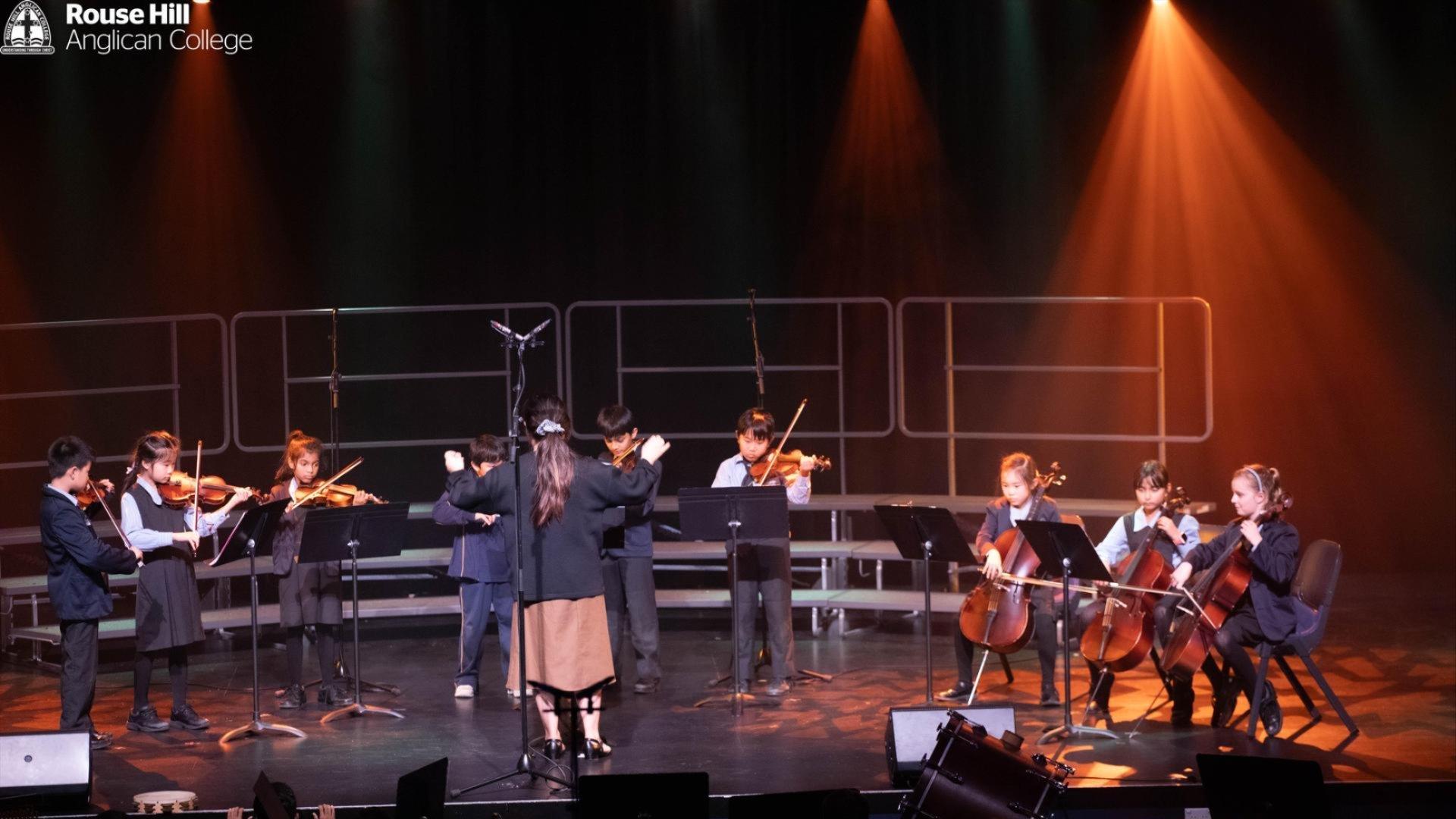
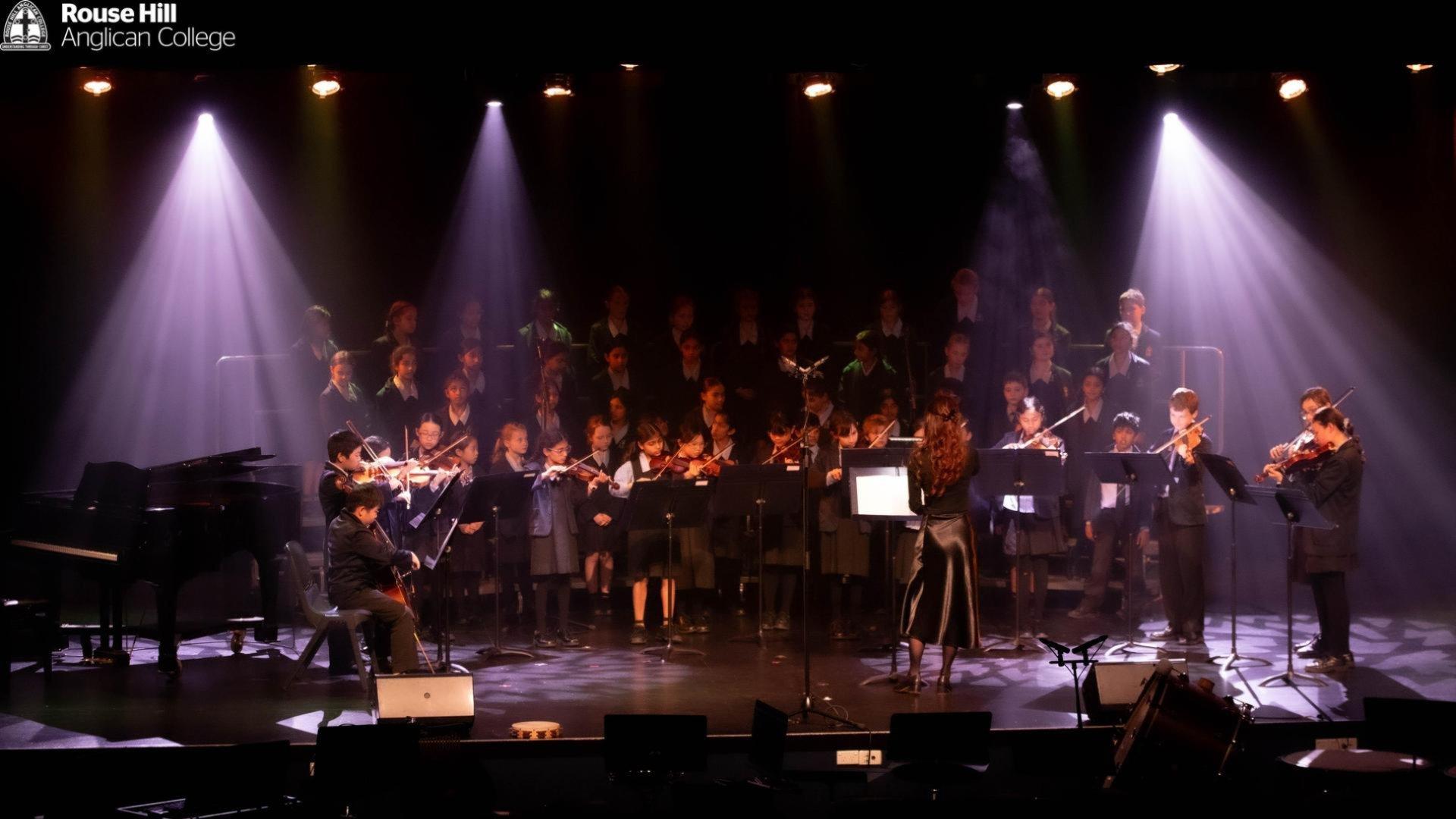
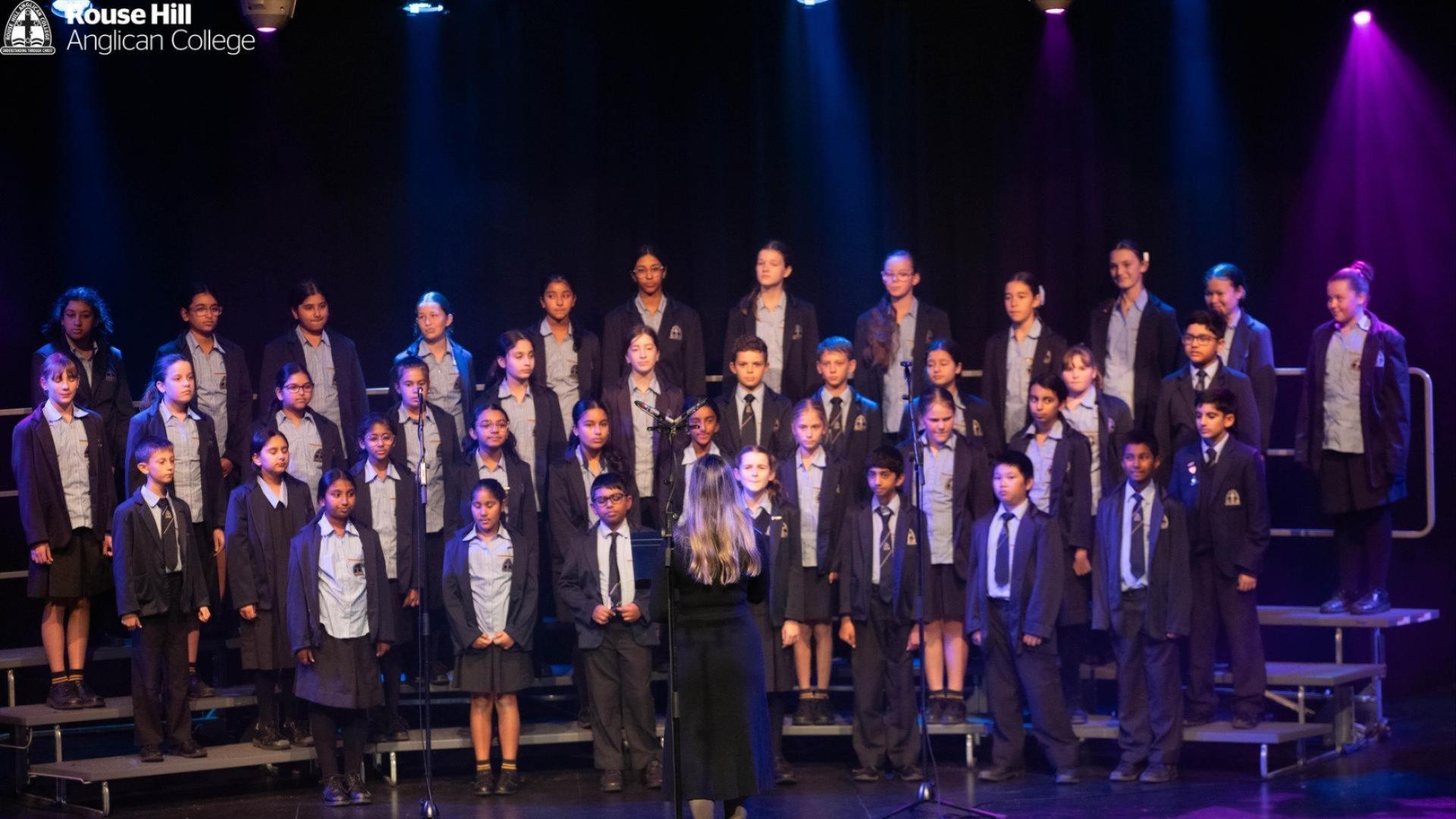
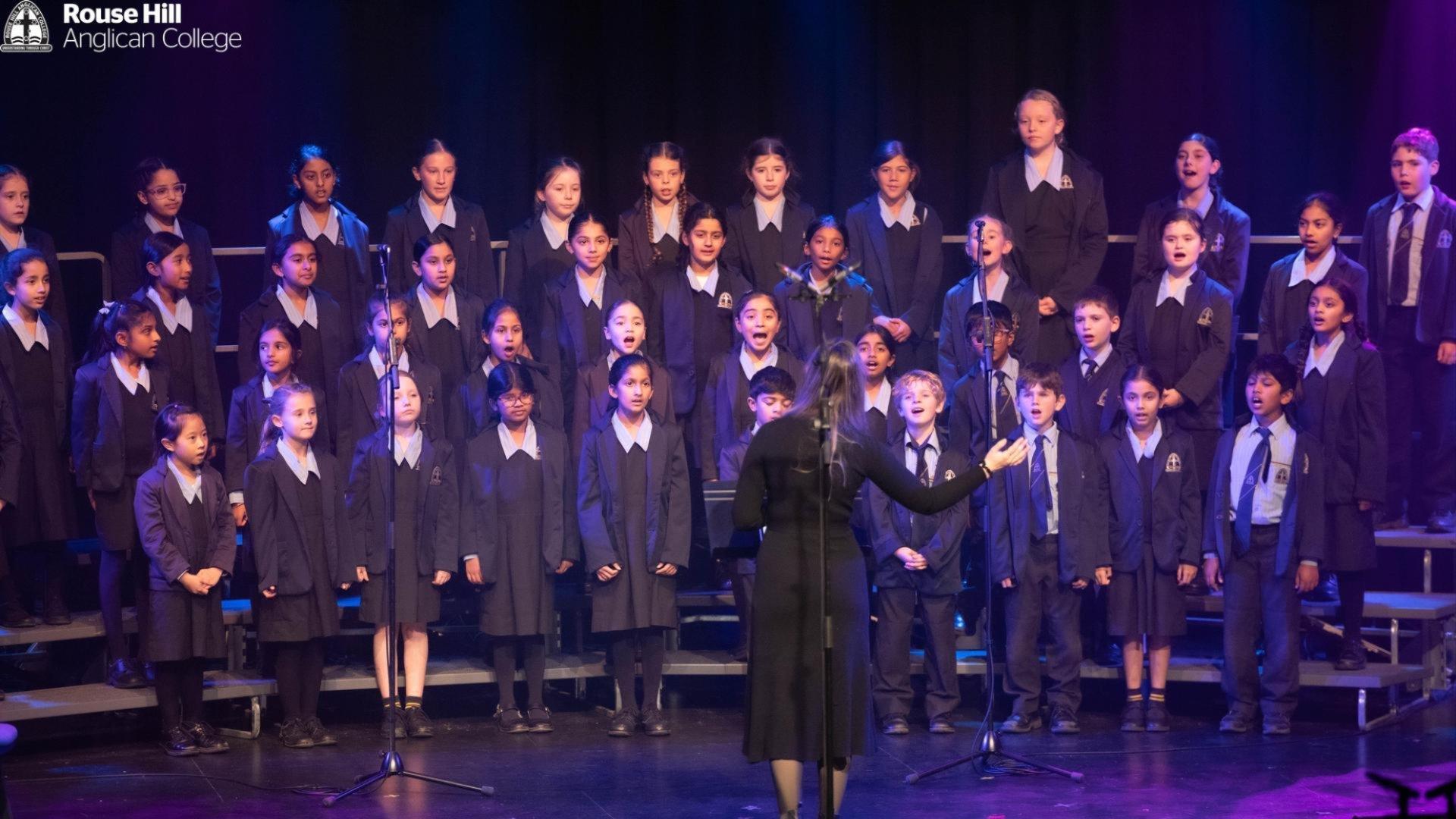
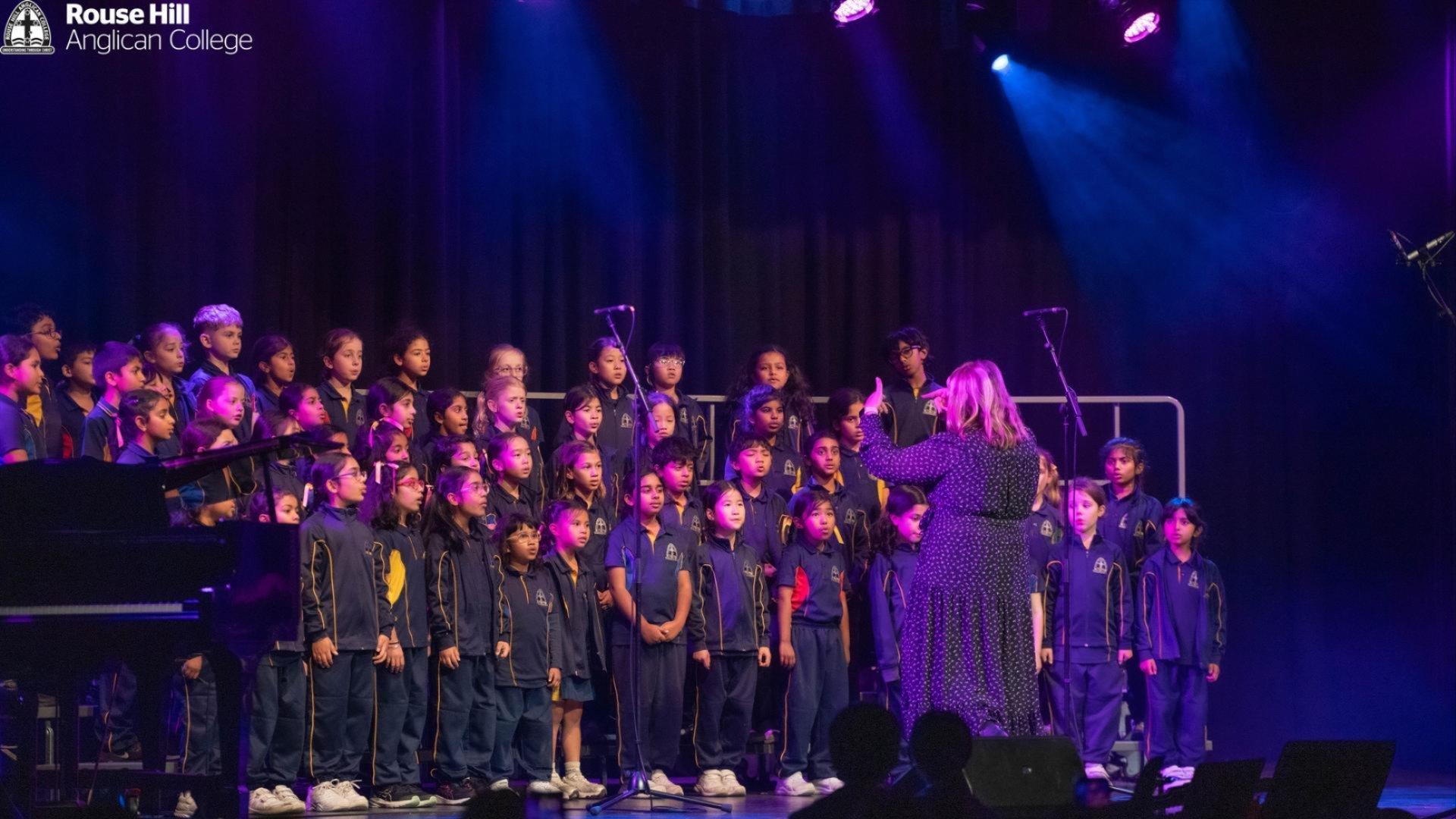
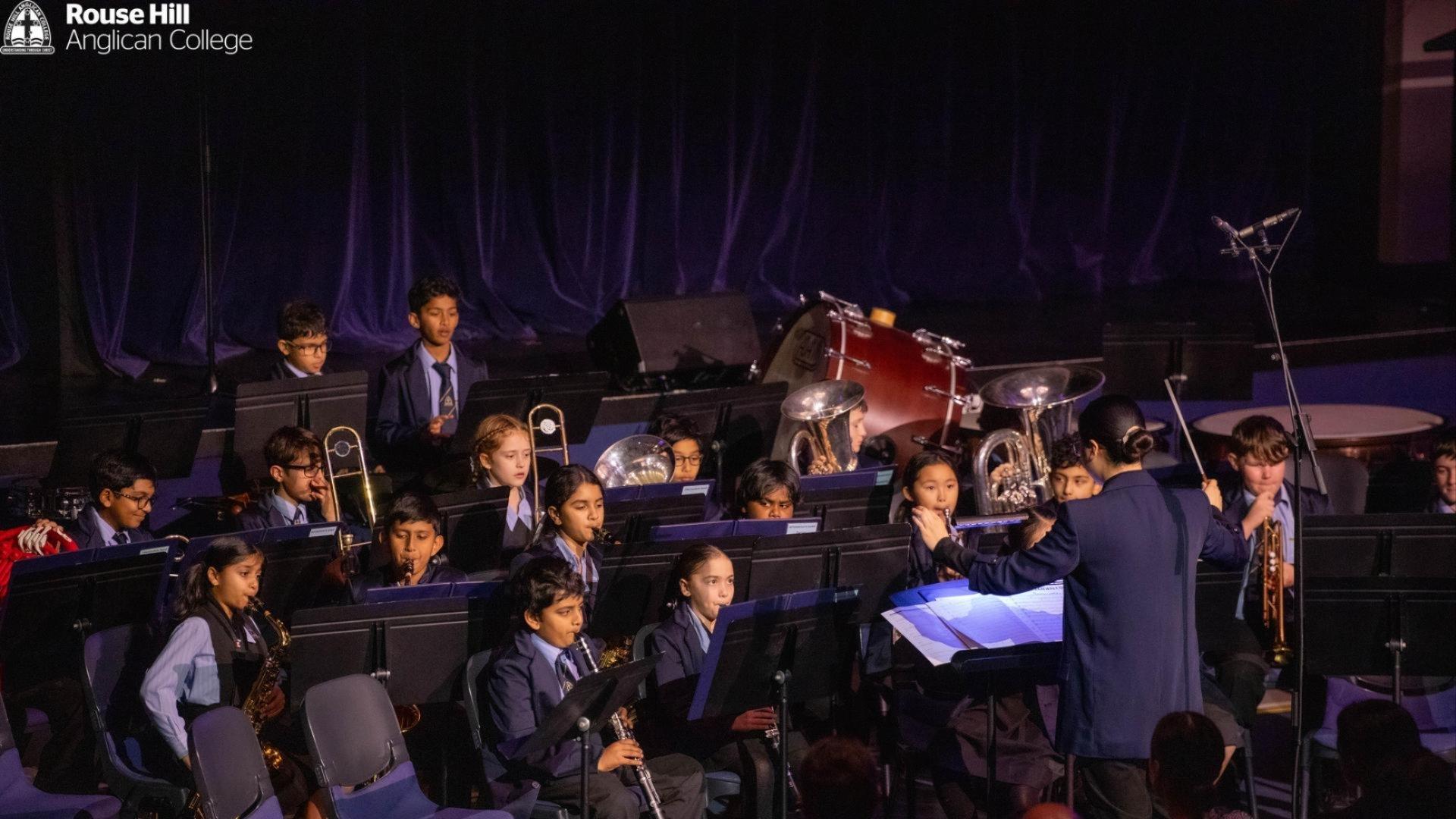
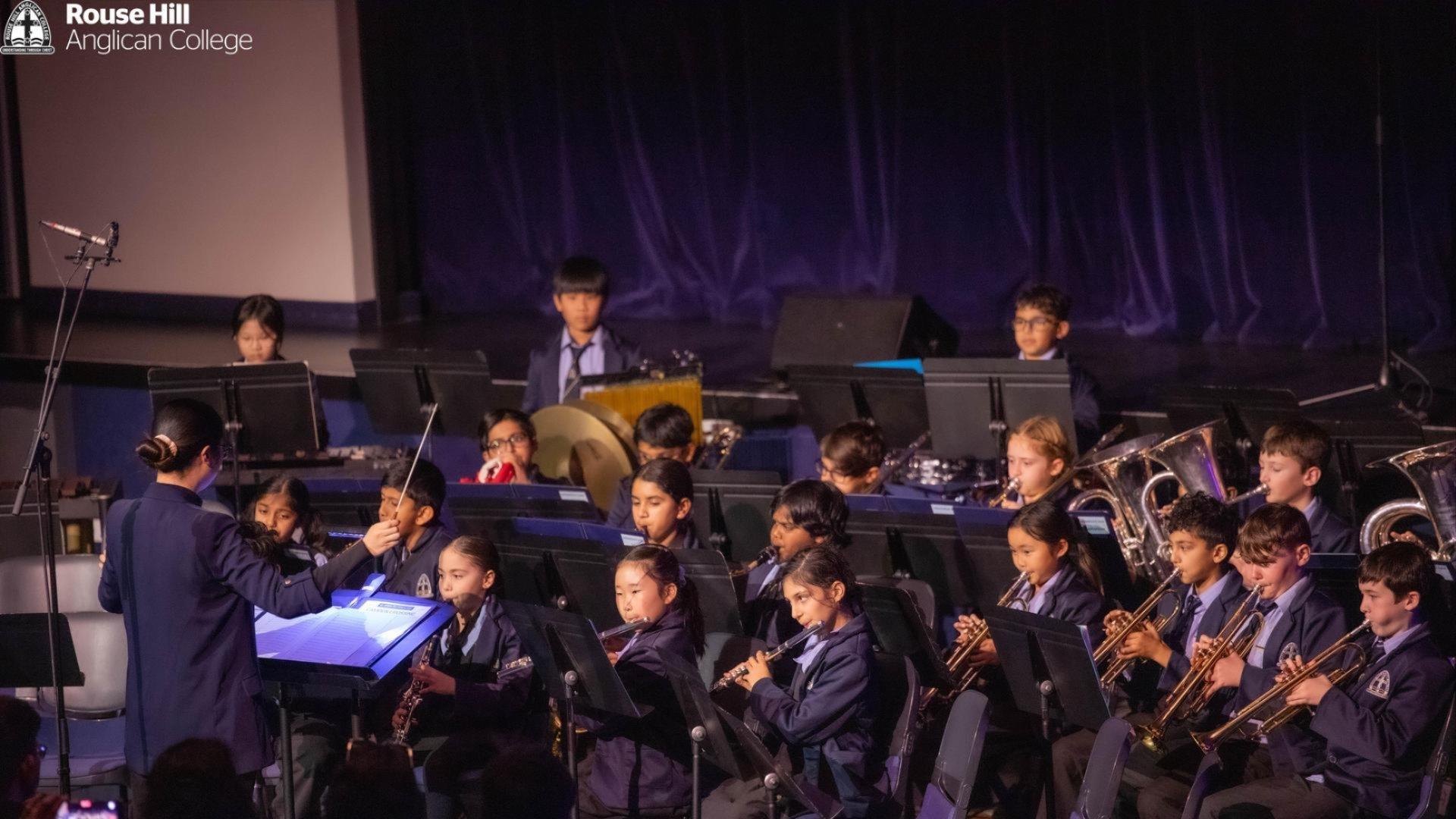
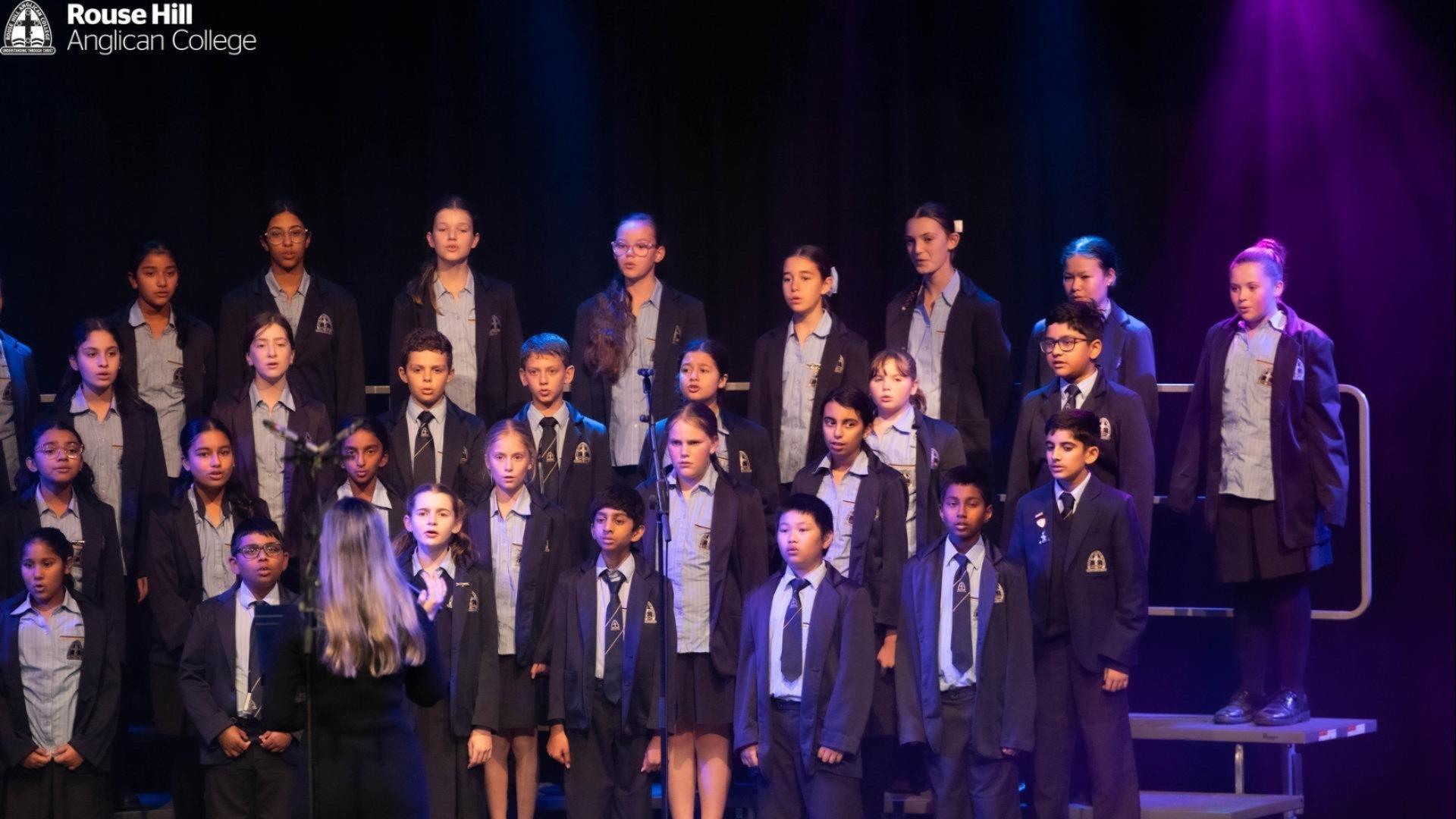
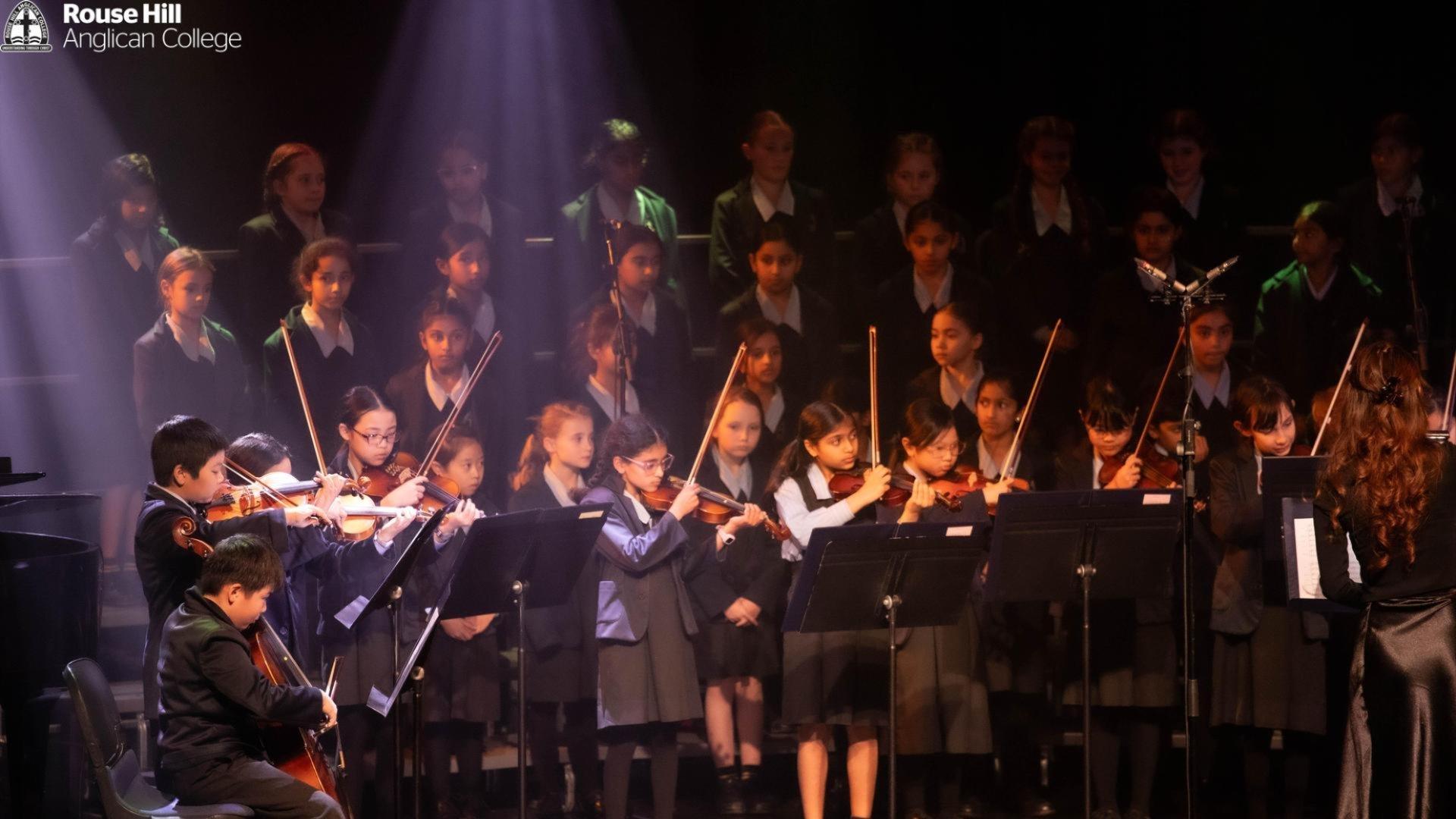
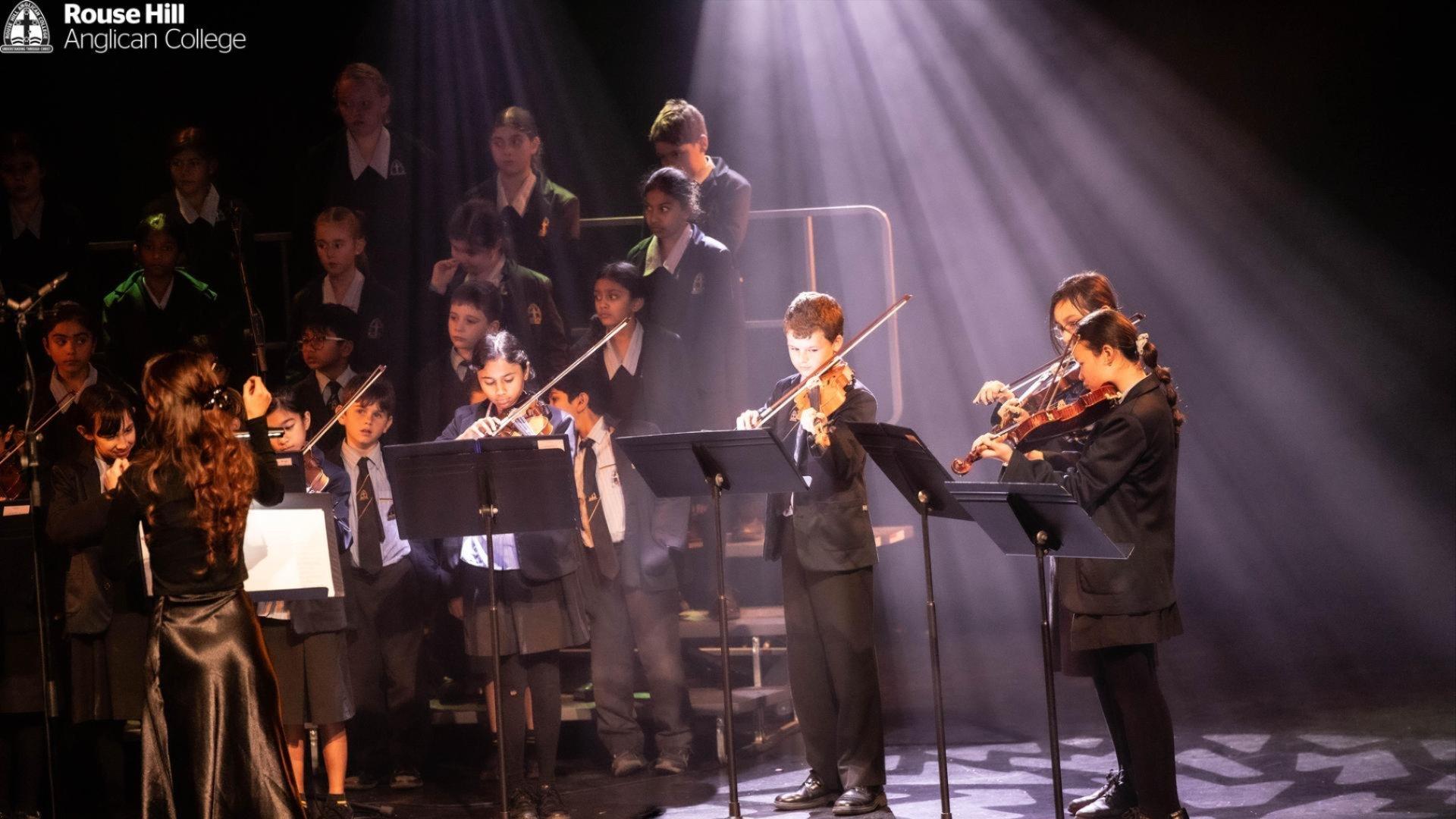
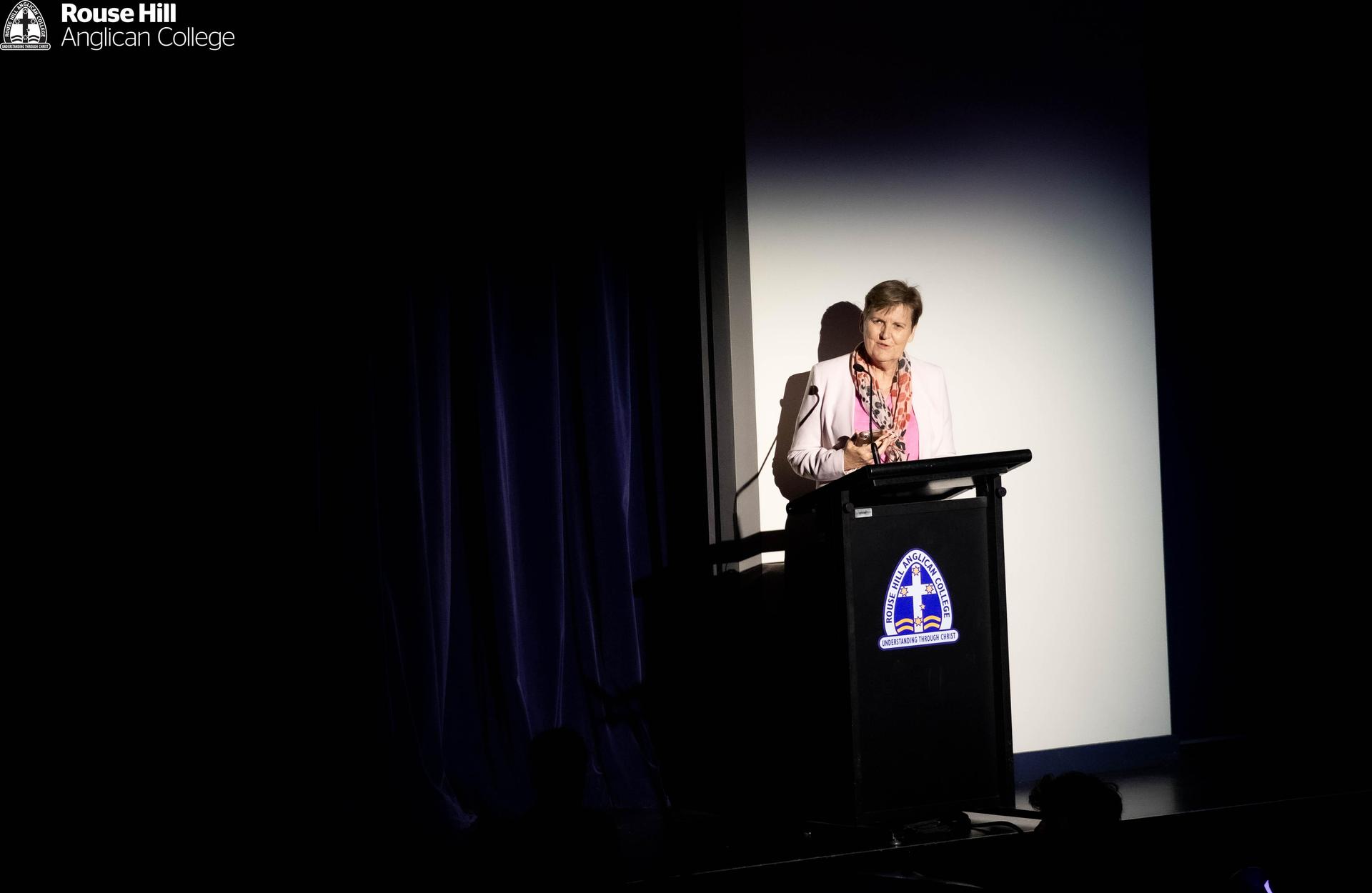
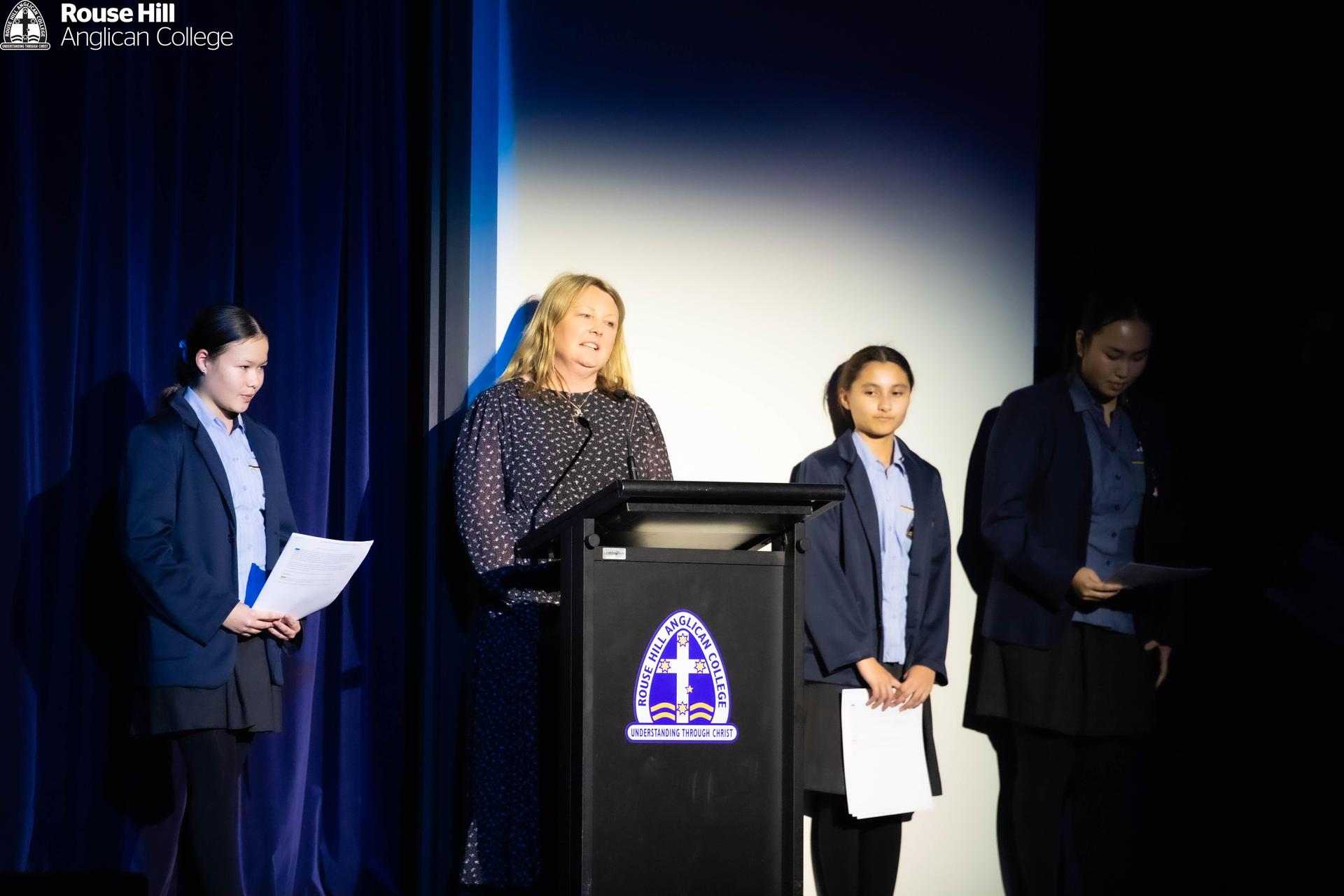
The goals included in this semester's reports are wonderful examples of this process in action. The cycle of reflection, feedback and goal setting extends far beyond the classroom and can be seen in many aspects of school life. A wonderful example was our recent Junior School Music Ensemble Showcase. Families were treated to performances that demonstrated not only musical talent but also the results of commitment, reflection and continuous improvement.
Behind every performance were countless moments of practice and refinement. Students listened carefully to feedback from their conductors, reflected on their individual contributions and worked towards specific goals, whether mastering a difficult passage, improving their timing or performing with greater confidence. Through this process, students learned that excellence is rarely achieved in a single moment; rather, it is built through effort, reflection and a willingness to keep improving.
The showcase also highlighted the importance of working towards shared goals. Ensemble members supported one another, celebrated successes together and discovered that growth often occurs in community. These experiences build confidence, foster pride in developing new skills and teach students valuable lessons that extend well beyond their years at school.
Reflection is also an important part of helping students learn from mistakes. When they make poor choices, as we all do from time to time, being guided to think honestly about what happened, who was affected and what could be done differently next time is a powerful learning opportunity. Rather than simply focusing on consequences, reflection encourages growth, responsibility and empathy. By identifying a positive next step or setting a goal for future behaviour, students learn that mistakes do not define them. Instead, they become opportunities to learn, repair relationships and make wiser choices in the future. This process helps children develop character, self-awareness and the confidence that they can continue to grow.
Reflection is also a spiritual practice, as taking the time to examine our actions, celebrate God's blessings and consider how we can continue to grow in character and purpose is a lifelong habit that serves us well.
As you read your child's report and reflection, I encourage you to take time to discuss their learning journey with them. Celebrate their achievements, talk about the challenges they have overcome and explore the goals they have set for the future. These conversations reinforce the importance of reflection and help children recognise that growth is a journey rather than a destination.
We are proud of the thoughtful, reflective learners in our Junior School and look forward to supporting them as they continue to grow in confidence, character and capability throughout Semester 2.