When I was in primary school, Lisa was my best friend. She lived three doors down from me and we spent a lot of time together. We walked to and from school every day, we played together after school, and I went way on weekends with her family. Occasionally, things would go wrong in our friendship, we would have a fight over something trivial and would stop speaking to each other. Weeks would go by and I would miss spending time with Lisa, but I didn’t know how to fix our broken friendship. Slowly, over time we would somehow become friends again, and everything would be fine…until next time. Somehow, we got through this era of friendship fires and have now been friends for over 50 years!
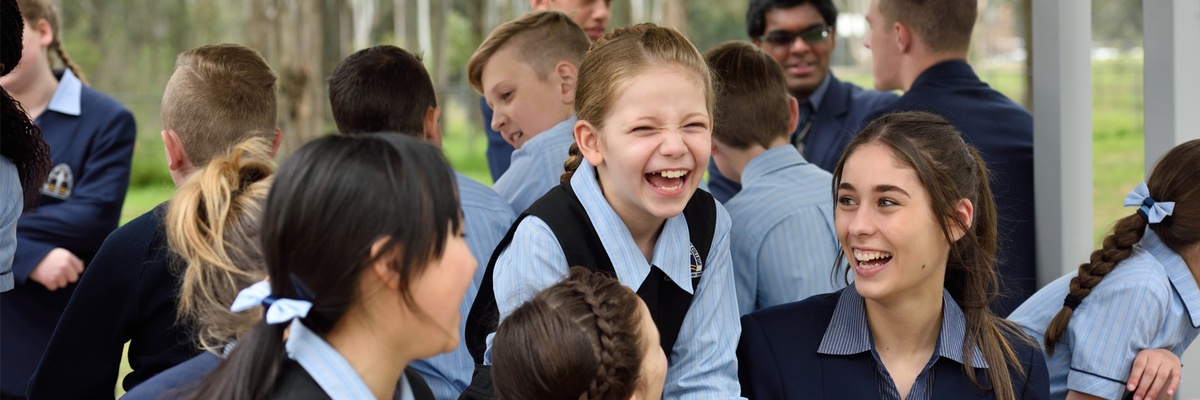
Friendships are important to adults and children. They contribute to students’ wellbeing and learning. It hurts when friendships go wrong and we choose to explicitly teach friendship skills to enable students to manage their friendships. We do this in our wellbeing and PDH lessons, in our conversations with students both in classrooms and in the playground, and we highlight them in assemblies and other gatherings. Earlier this week, Year 5 students presented information about friendship in our assembly.
One way that students are learning about friendship is through the URSTRONG program. This excellent program helps students to have a shared language of friendship; it empowers them to manage when things go wrong and develop a strong sense of self as they learn to manage their friendships. The program does this through helping students develop their understanding and skills in four core concepts of friendship:
- 4 friendship facts
No friendship is perfect all friendships have conflict at some time.
Every friendship is different; we have friends that are close and friends that only last for a season.
Trust and respect are essential for a healthy friendship.
Friendships change and that’s OK. It is normal for friendships to change over time.
- Friendship Fires and Mean-on-Purpose – URSTRONG lessons provide students with the skills to restore or respond to friendship issues.
Friendship fires make up about 85% of conflict. They are moments in friendships when someone feels hurt, misunderstood or insecure.
Mean-on-Purpose behaviour is when students are deliberately cruel, rude or malicious.
- Friend-o-Meter and Friend-o-Cycle
The Friend-o-Meter is a tool that helps students consider their friendships and how they can improve them. They learn the difference between healthy friendships that are based on respect, trust and fun, and unhealthy friendships where children can feel sad, angry, hopeless and alone.
The Friend-o-Cycle helps students to understand the normal cycle of resolving conflict in a friendship. This cycle moves from a healthy relationship to a friendship fire to ways of resolving the friendship fire and back to a healthy relationship.
- Talk-it-out and quick comebacks are strategies that students learn to help them manage when their friendships go through difficulties. The URSTRONG program encourages students to stand up for themselves with respect for themselves and their friends.
Over the next few terms, our students will learn more about friendship with the URSTRONG program and we will continue to support them as they navigate their friendships. As they learn this shared language it will help you as you talk at home about friendships. When your child comes home with friendship concerns, it is important to listen and help your child to name feelings. It is also helpful to avoid rushing in to fix the problem, instead ask questions like: Was it a Friendship Fire or Mean-on-Purpose? How has your friendship changed?
Ultimately, friendships are part of growing up. They are messy at times, deeply meaningful, and always shaping who we become. Just as my childhood friendship weathered many small storms, our children’s friendships will also have ups and downs, and that is normal. By giving students the language, skills and confidence to navigate these moments, we are helping them build resilience, empathy and healthy relationships that will serve them well beyond their school years. When school and home work together to support children through friendship challenges, we send a powerful message: you are not alone, your feelings matter, and relationships are worth the care and effort it takes to restore them.