When I chat to existing and prospective RHAC parents, and when I meet parents whose children go to other schools, I sometimes take the opportunity to ask them what features of a school are important to them. While their responses do vary, emotional safety is a common theme.
Parents love their children and therefore want them to feel secure, confident and positive about going to school each day. Sadly, however, children do not always treat each other well. These negative interactions may take the form of Student A saying something unkind to Student B who reacts in a way that is hurtful to Student A and before you know it both children are upset.
Sometimes the 2 students resolve their differences by the end of lunchtime and return to school the following day the best of friends again. On occasion a teacher may gently intervene soon after the unkind words have been said, encourage apologies and everyone moves on happily.
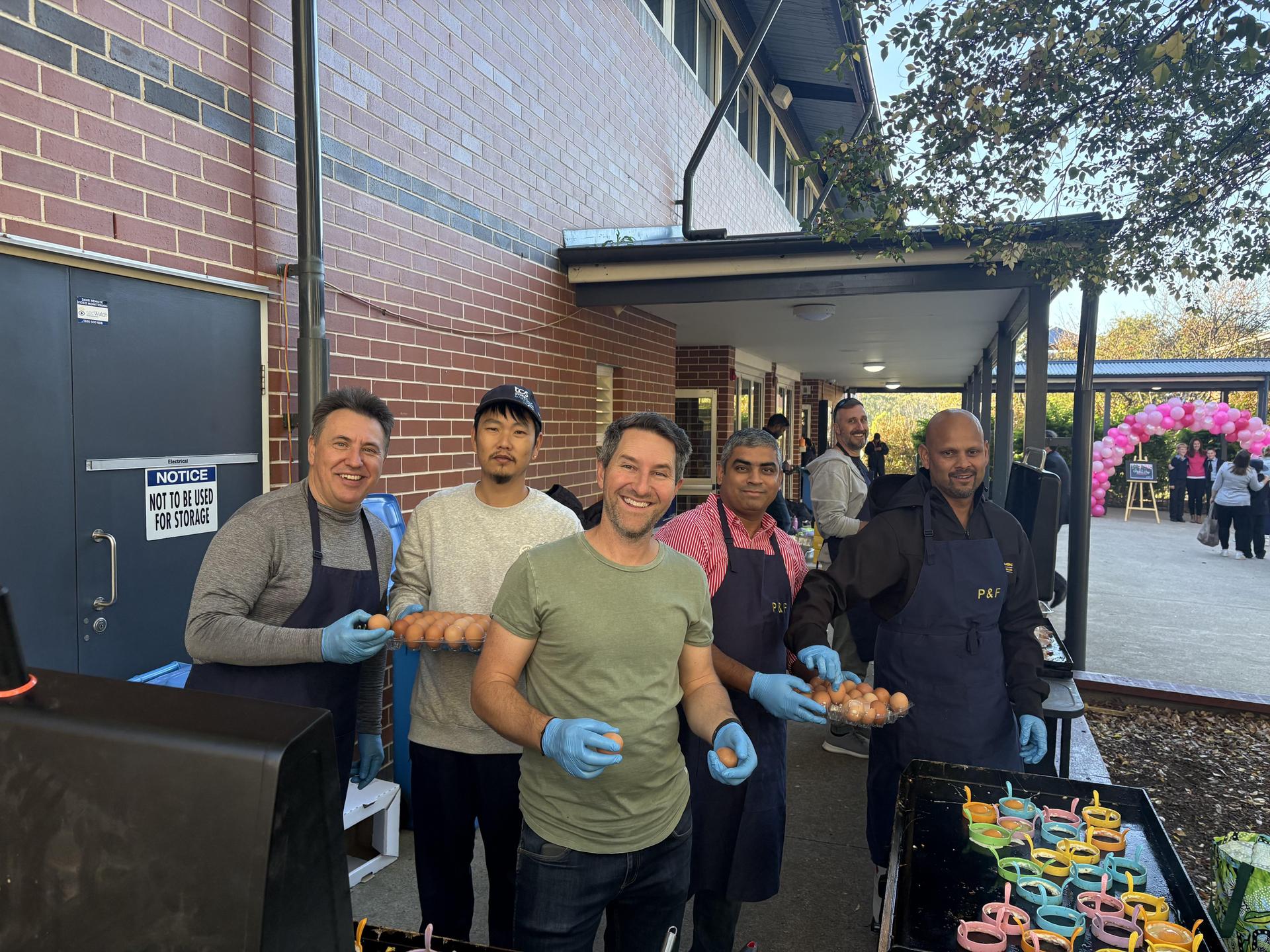
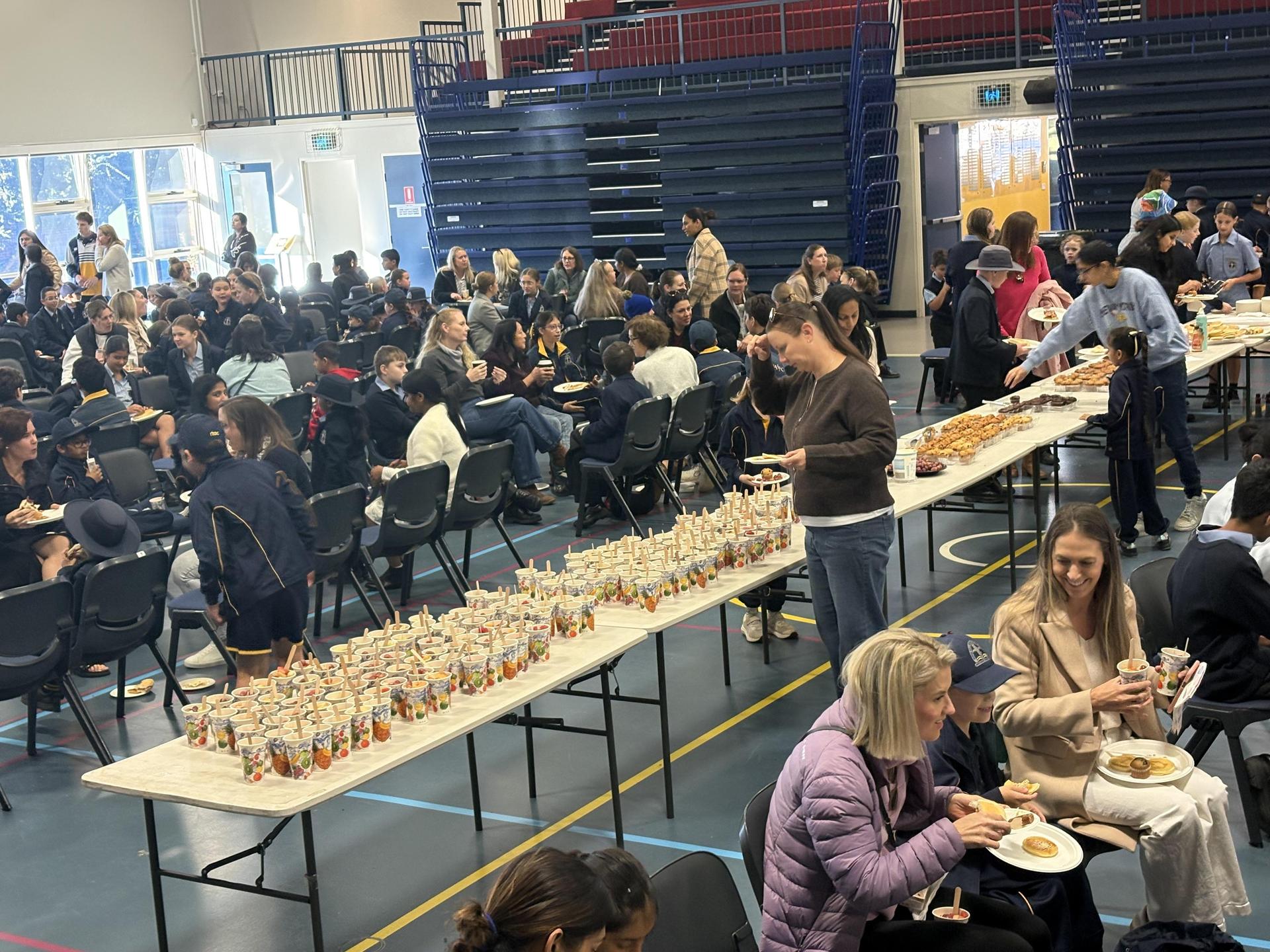
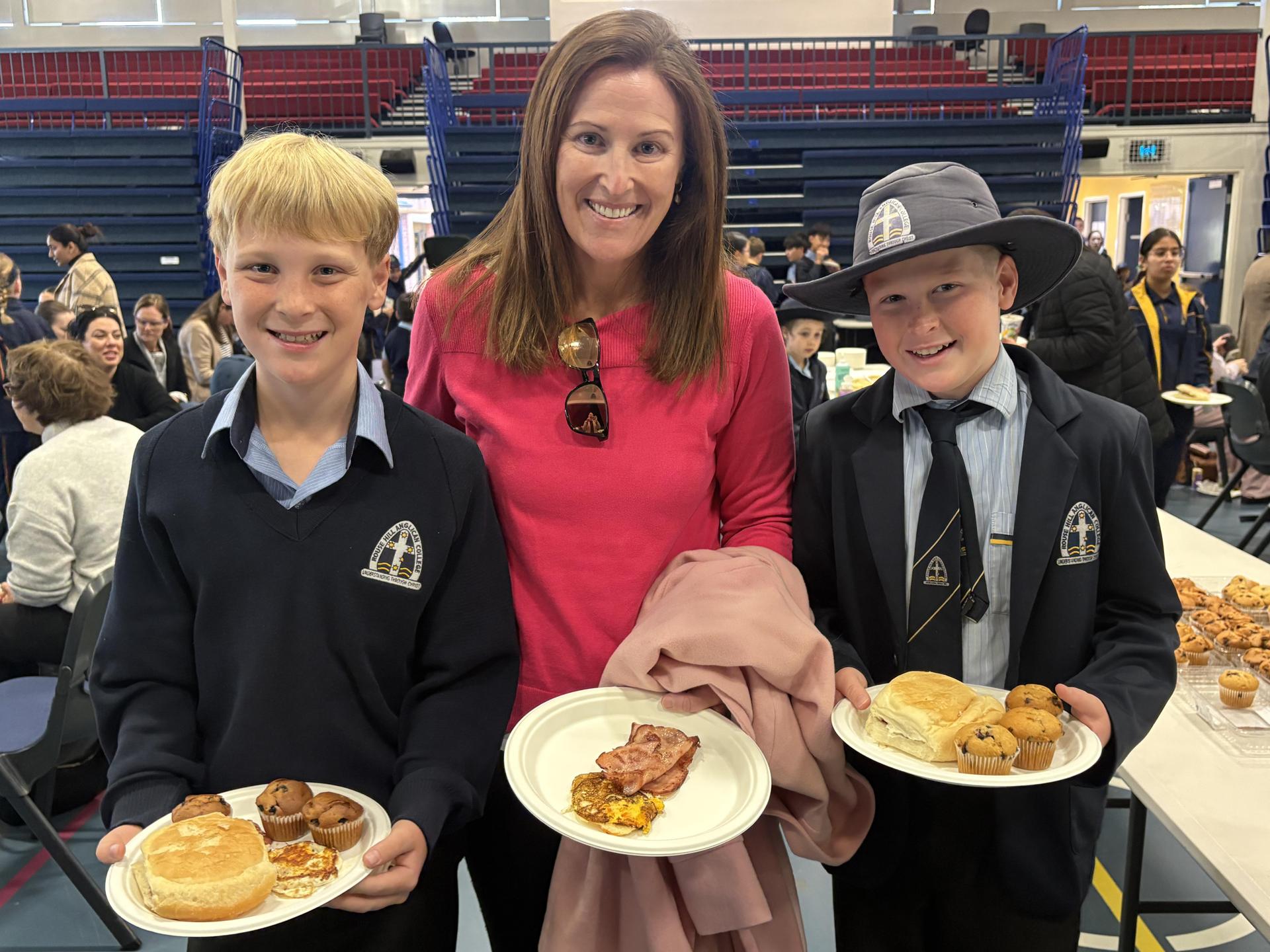
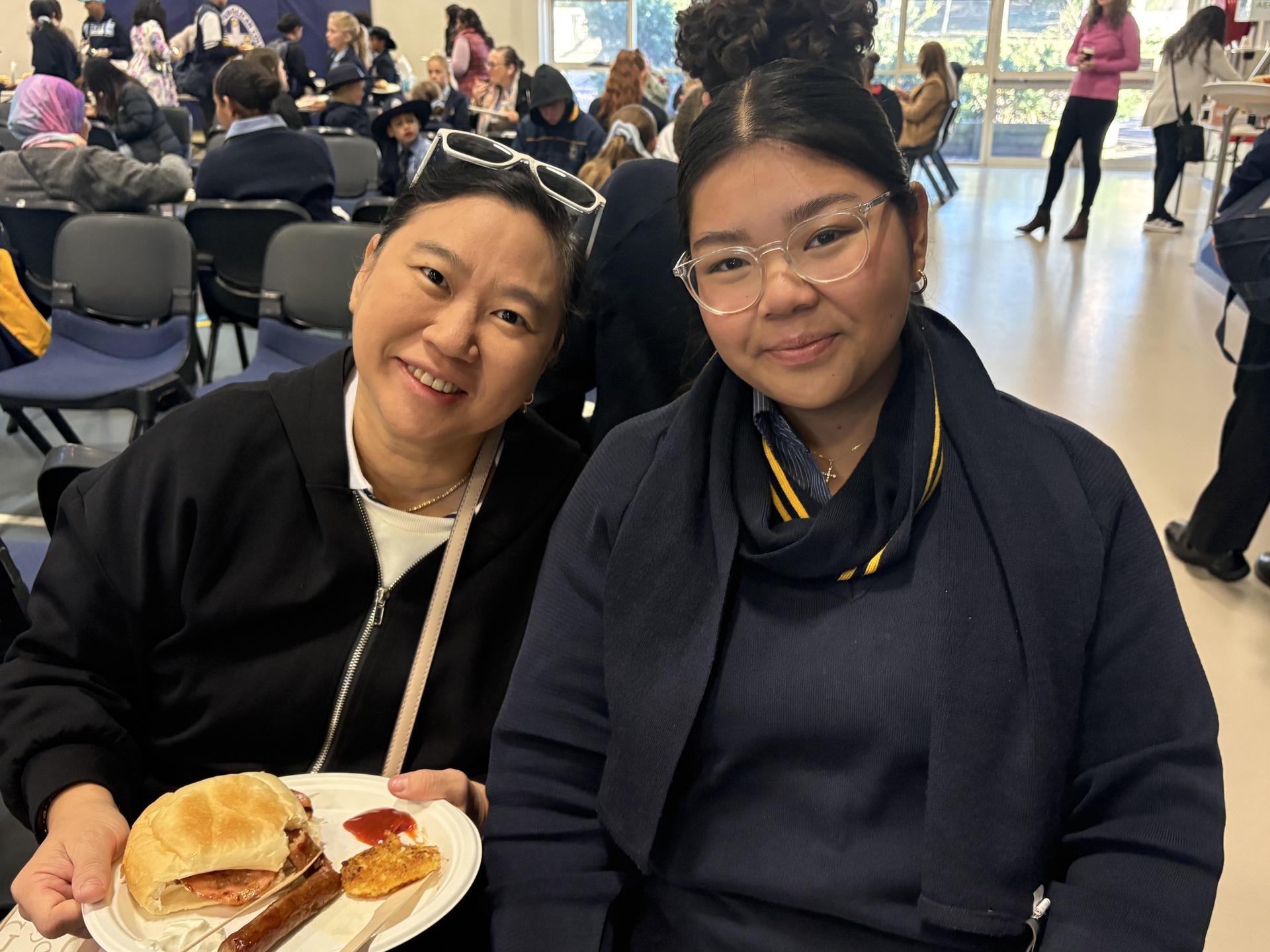
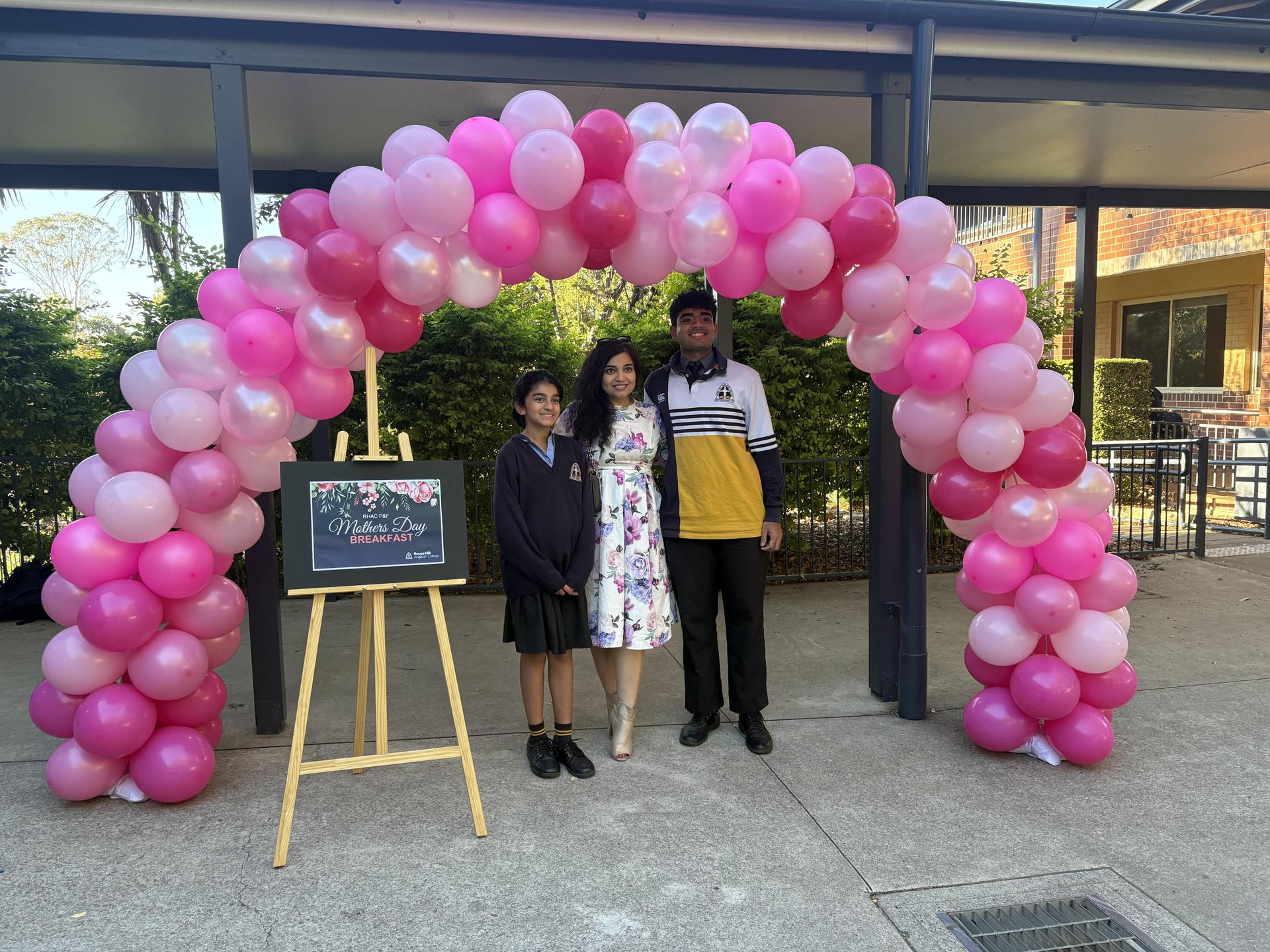
However, there are times when negative interactions between students are not so easily resolved. It can be challenging for parents when their son or daughter comes home upset, because it can be difficult to be sure whether their child is an innocent victim or if they contributed to the conflict. It may also be difficult for parents to determine whether their child is understandably distressed by what they experienced or whether they over reacted. I am very thankful to RHAC mums and dads who wisely manage their child’s emotional needs each day, and I particularly thank mums as we celebrated mother’s day with a wonderful breakfast this week.
Despite a parent’s best efforts, sometimes it is in their child’s best interests if they contact the school for support to help manage and respond to the negative interaction their child experienced. The parent manual, which is accessible via a link in the newsletter, provides guidance on who parents can contact. In this newsletter you will also notice a heading 'child safety' with links to some helpful charts on how parents can contact the school. Our teachers are very committed to supporting children who experience negative interactions with their peers.
While it important for schools to meaningfully support students who have been hurt by interactions with their peers, it is equally important for schools to adopt strategies and a culture that prevents negative peer interactions from happening in the first place. I don’t have the space in today’s newsletter to describe our proactive strategies that foster positive peer relationships. However, I am confident that structured activities such as peer support and the intuitive actions by our teachers are making a meaningful contribution to positive student wellbeing.